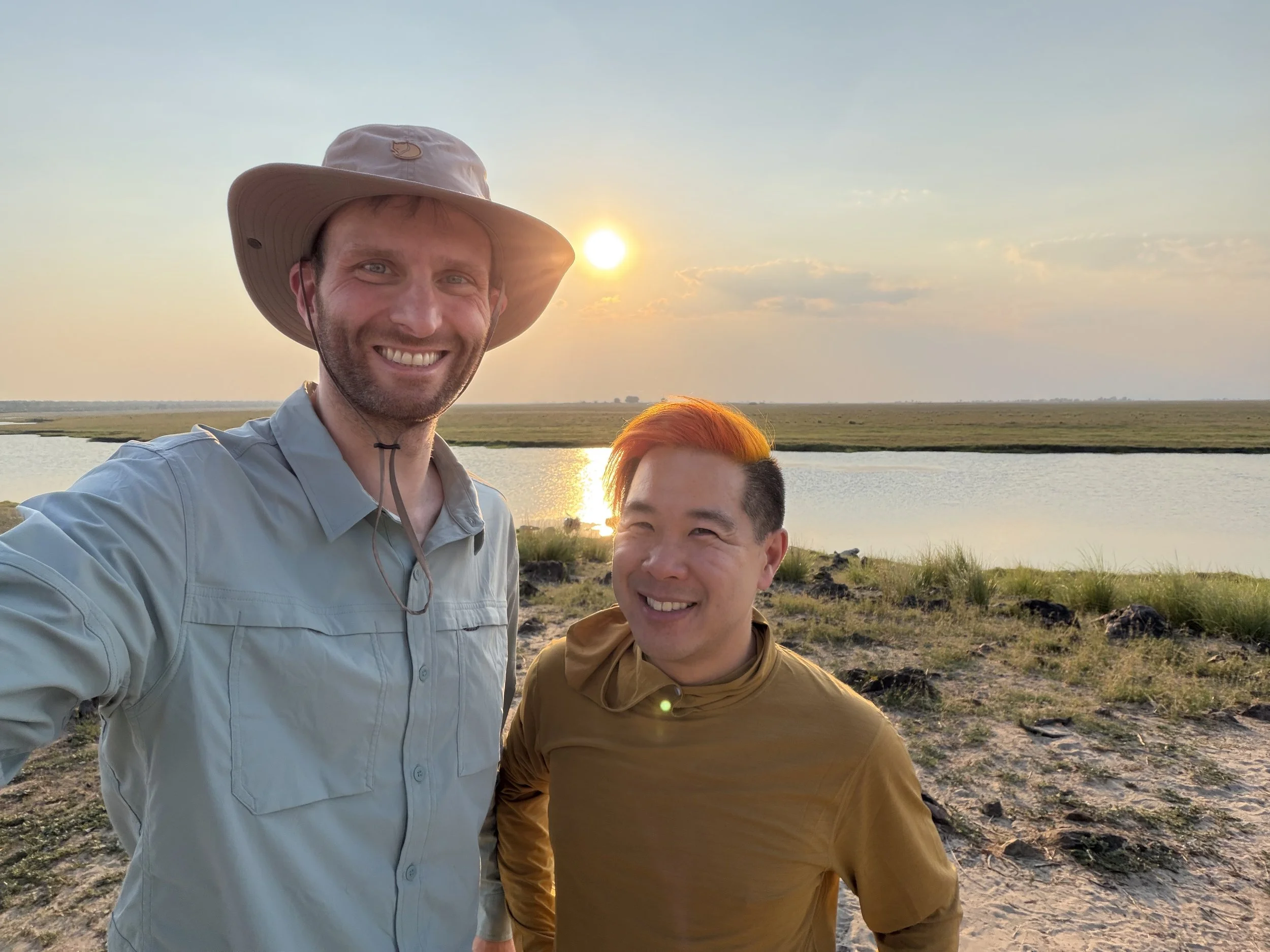
During our stay at Chobe Game Lodge (and any safari lodge, as far as I'm aware), our days contain an early morning and a late afternoon game drive, but what was new to us for this trip was a late morning river cruise. During the check-in process at the lodge, we were given our daily itinerary for our full stay, and it was packed. Besides the game drives and pre-lunch river cruise, there were also five times where you'd be fed: pre-morning game drive coffee/tea, breakfast (after the morning game drive), lunch (after the river cruise), pre-afternoon tea and snacks, and finally dinner (after the afternoon game drive). Maybe if I were in my early 30s, I'd have the metabolism to consume that much food. Our safari guide, Wanga, said that in Africa, it's extremely important to make sure your guests are well fed. I, on the other hand, will need to play months of tennis to work off the extra calories I've consumed here...
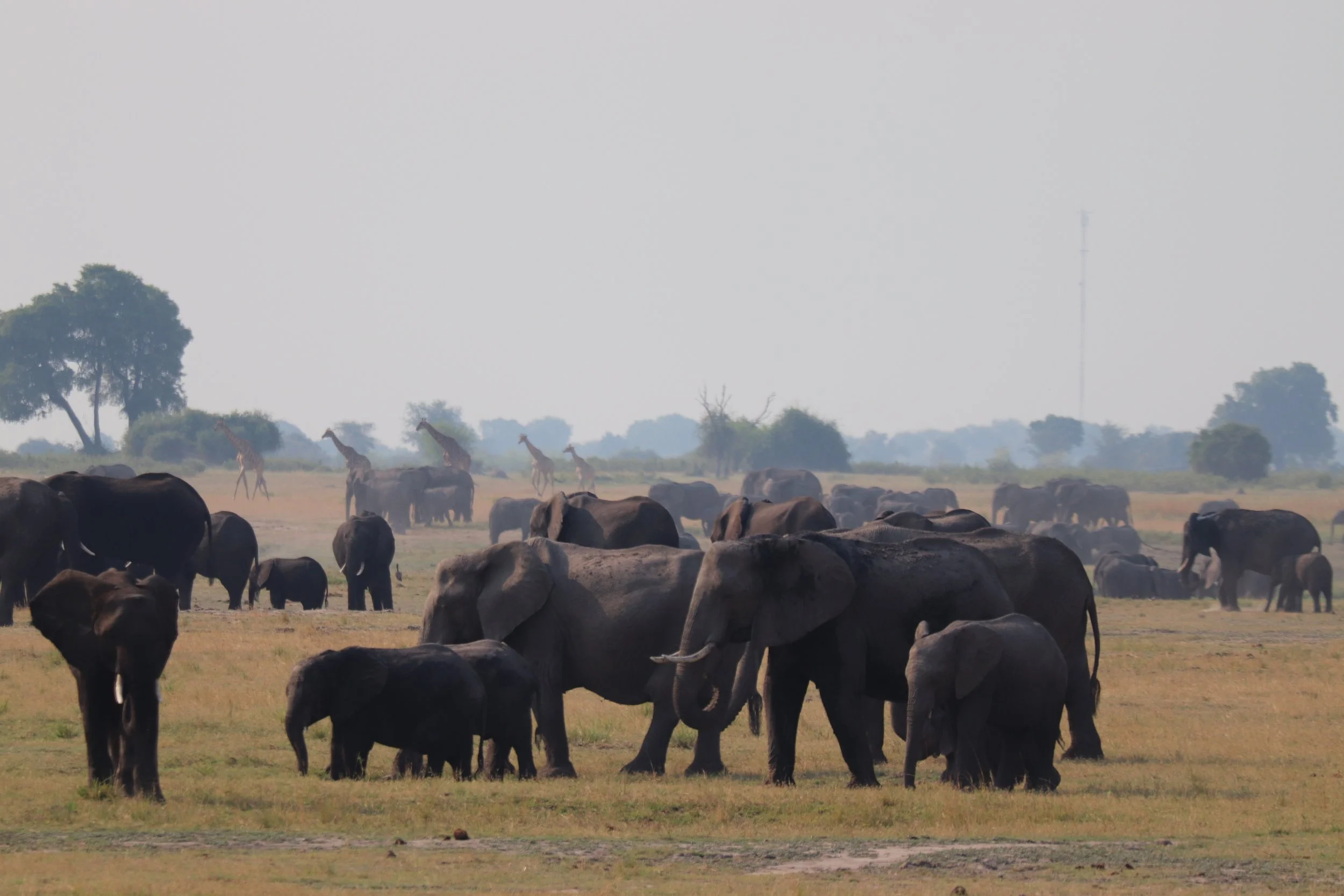
Anyway, I thought I'd write about the various game drives we've gone on so far. Chobe National Park is home to 45,000 elephants, as well as four of the big five. Due to the rhino poaching in the past, they apparently moved the remaining rhinos to another park to keep them safe. So that leaves the leopard, lion, buffalo and elephant, which is still an impressive list of animals to see, not to mention the baboons, impala, zebras, crocs, hippos, and Nick's favorite, giraffes.
Our first activity after quickly settling into our room was a sunset cruise on the Chobe river, so we rushed down to the jetty to join the cruise as well as meeting Wanga for the first time and the rest of the group that would be with us during their stay. As we sailed down the river, we immediately saw the elephants:
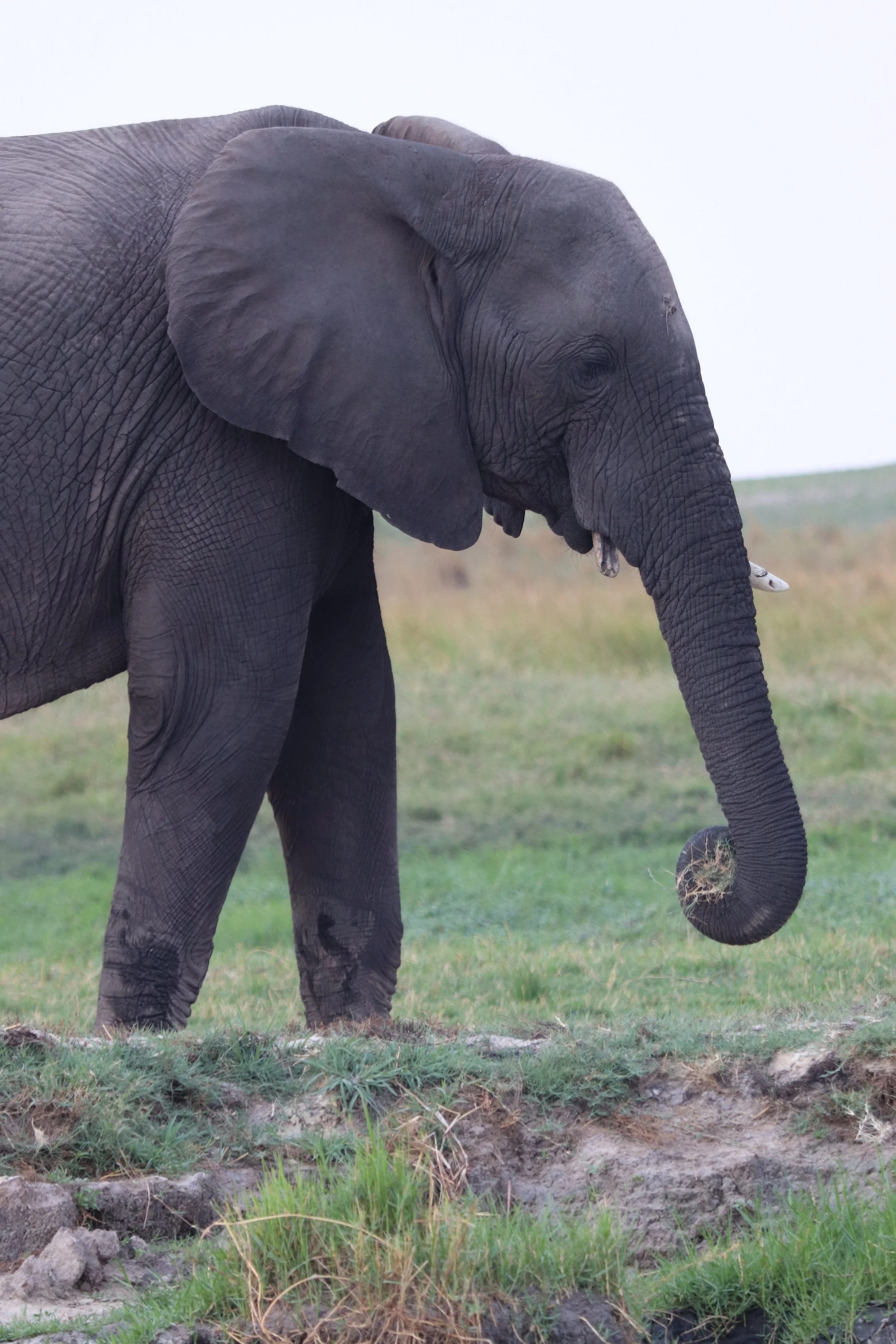
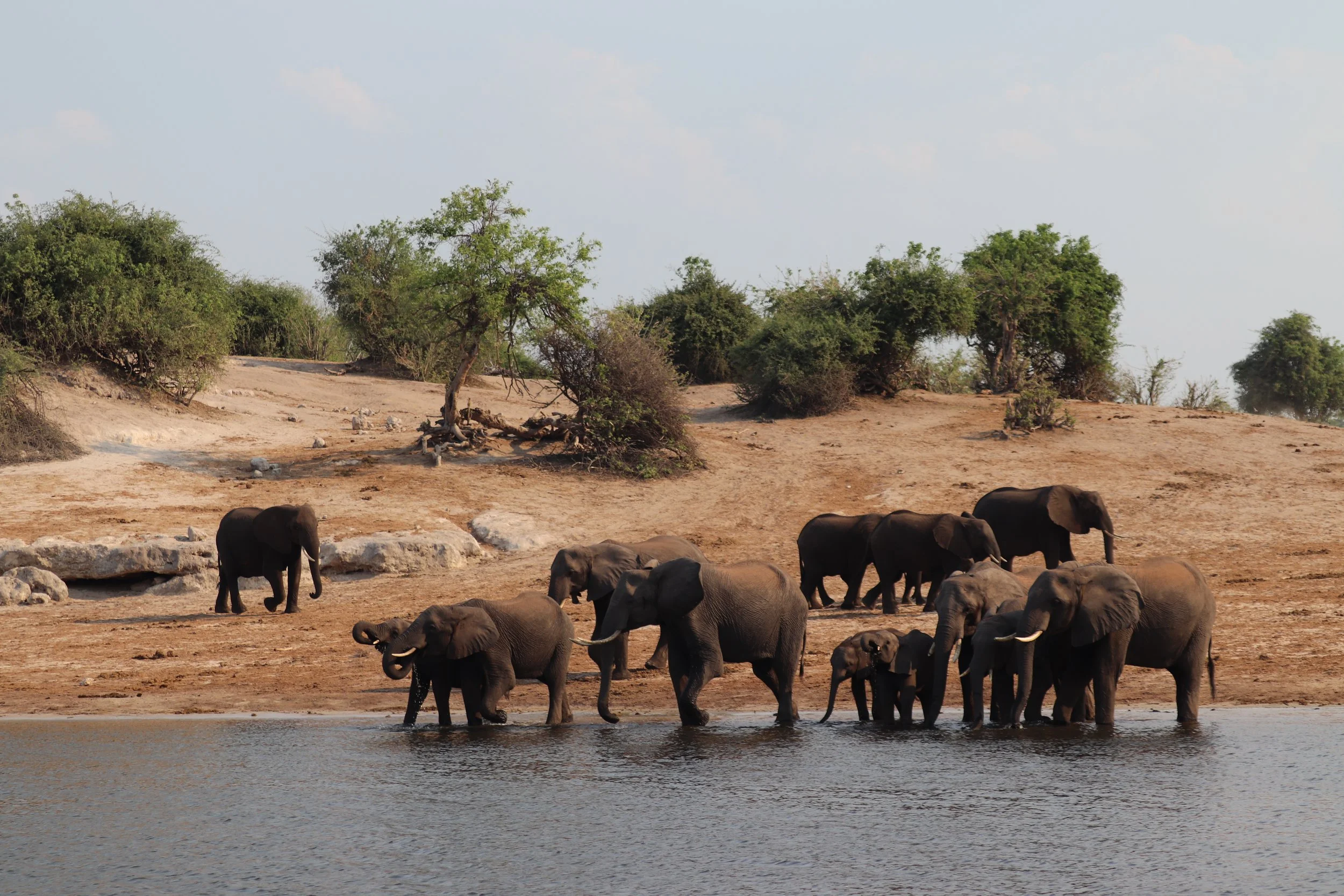
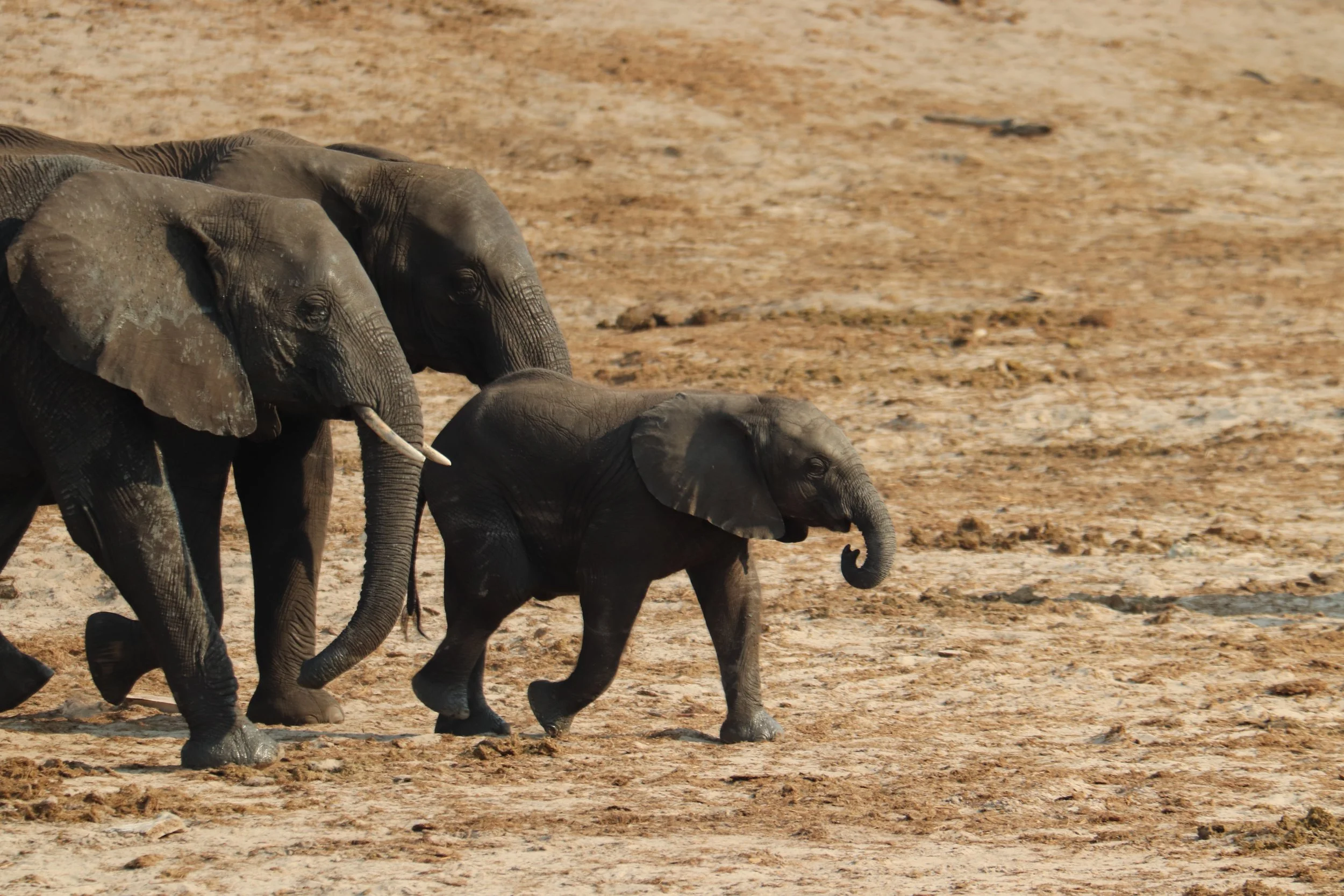
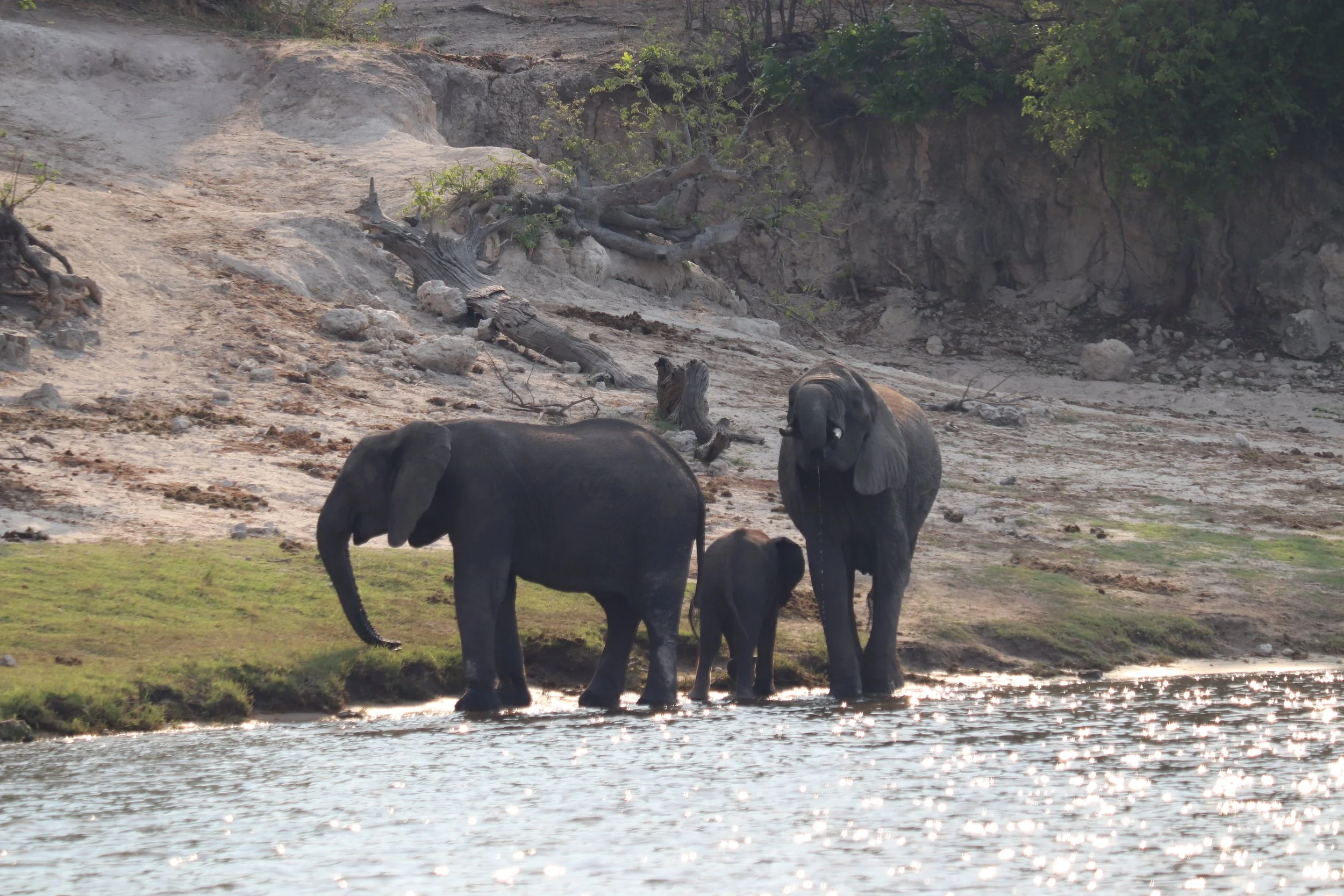
In 2019, we had visited Tembe Elephant Park in South Africa, where we saw a fair number of elephants, but that pales in comparison to the sheer quantity of elephants in Chobe. Multiple herds of elephants would cool down in the river, the young males would play with each other, and some of the herds would cross the river to the other side, which is actually Namibia (the Chobe river acts as the border between Botswana and Namibia). On the way back from the cruise, we witnessed a herd crossing the river. Wanga had informed us earlier that elephants are good swimmers, which is surprising to us given how large they are, but once we saw them swimming across the Chobe river, it was true. At one point, as young elephant grabbed onto its mother's tail for assistance. Sometimes, when the body was fully submerged, we'd see a trunk pop up like a snorkle in order to allow them to breathe. The entire process was quite swift given that these are massive animals going through water, but it was such an awesome sight.
Along with the elephants, we also saw many crocodiles, including this one who was about to enter the river:
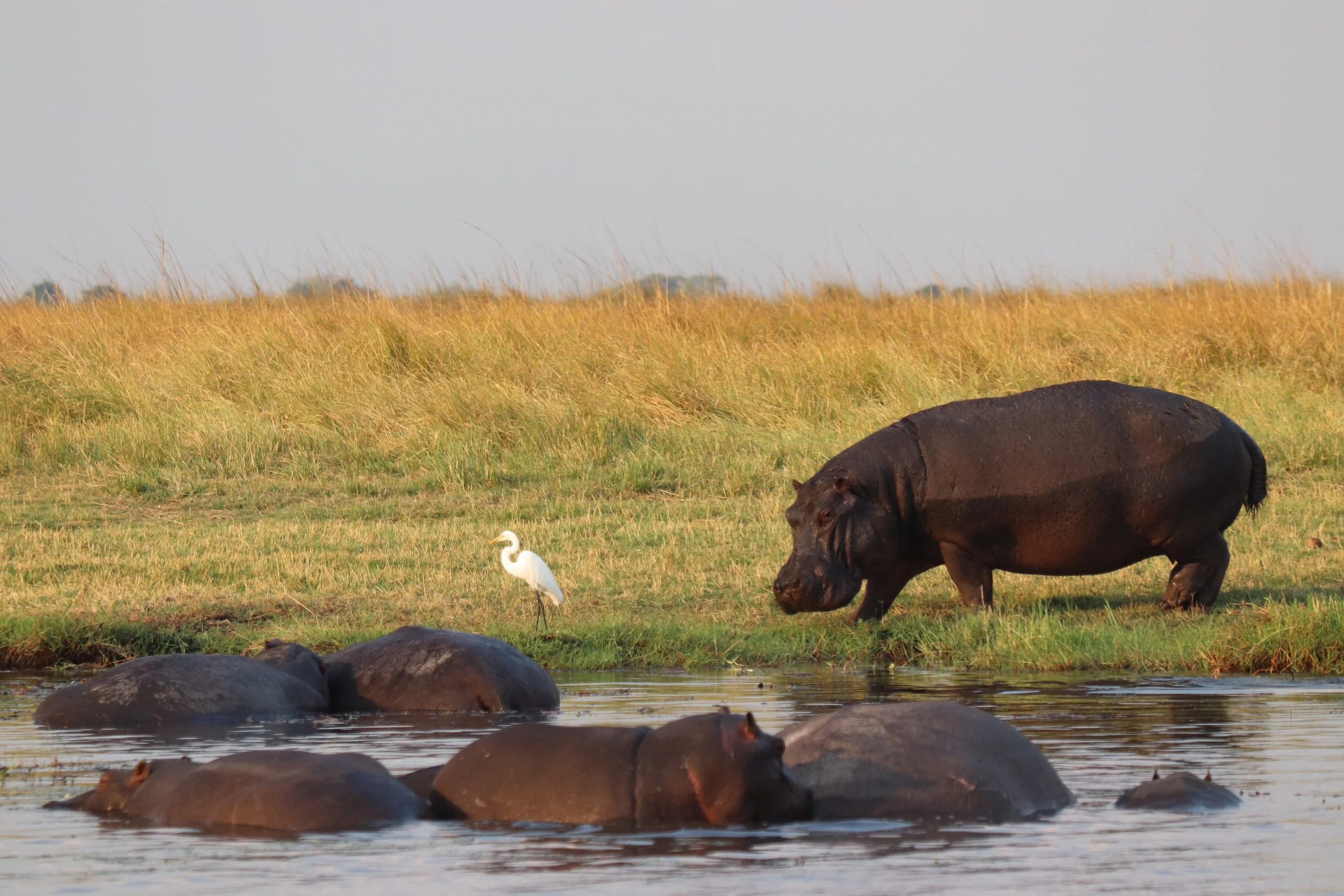
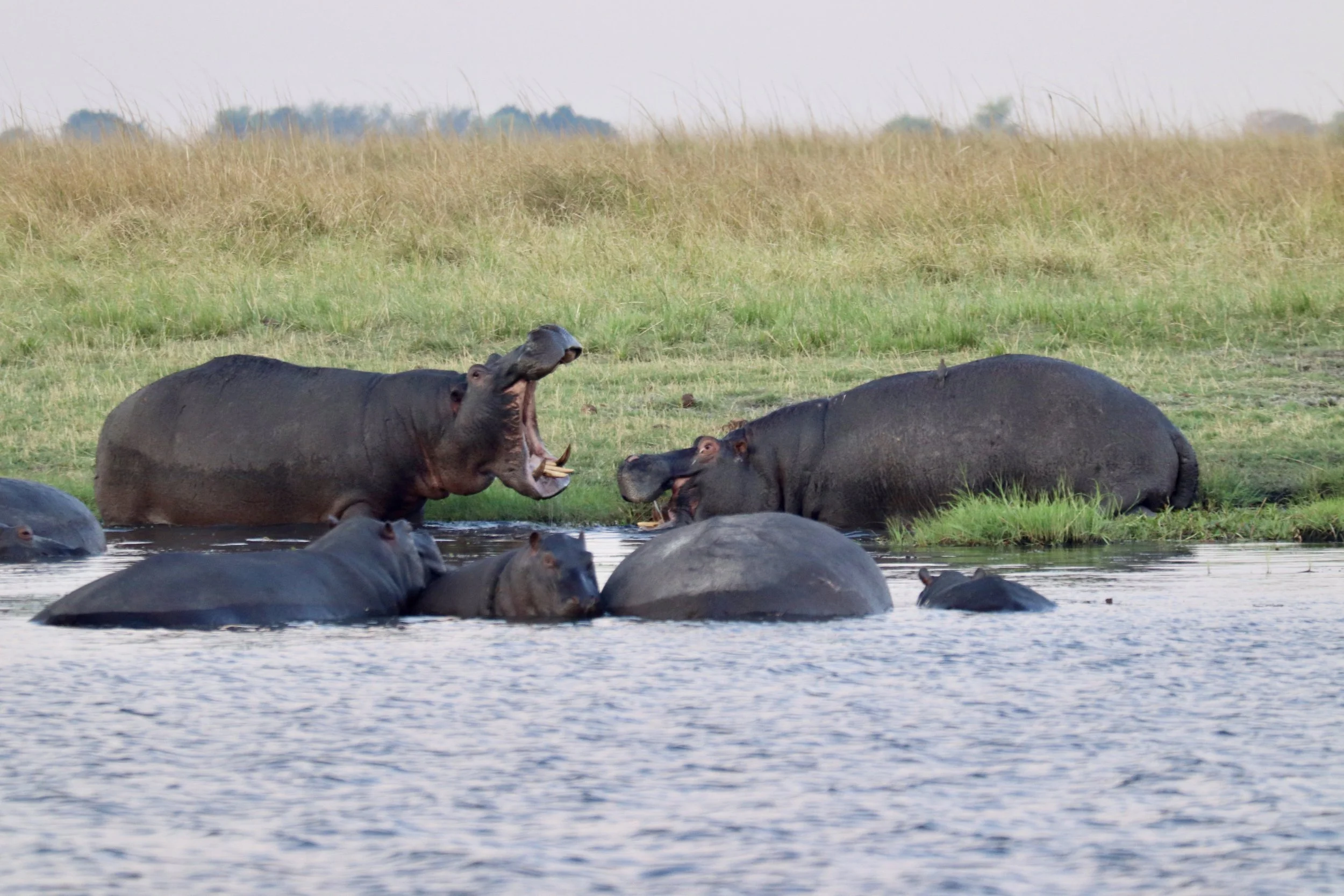
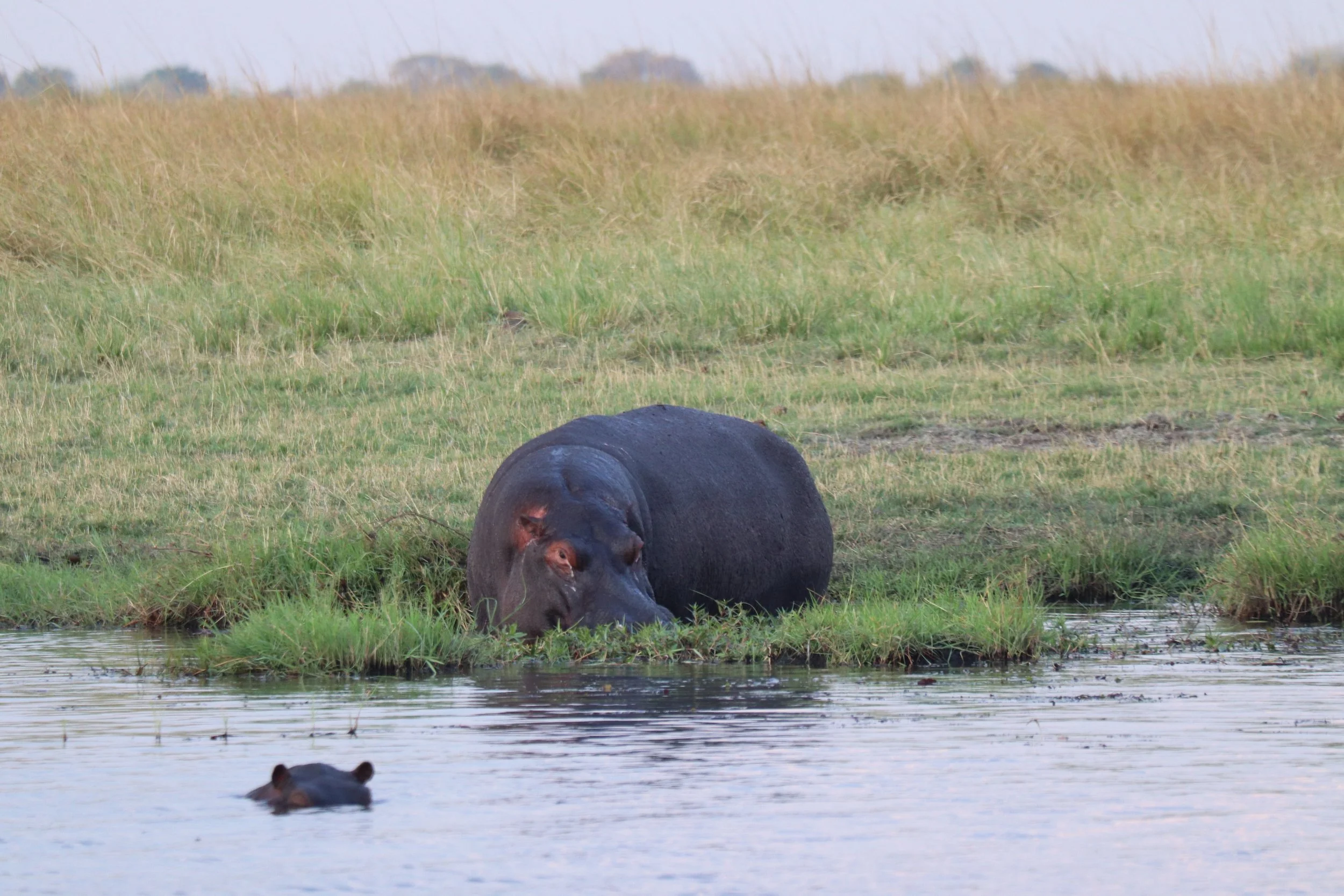
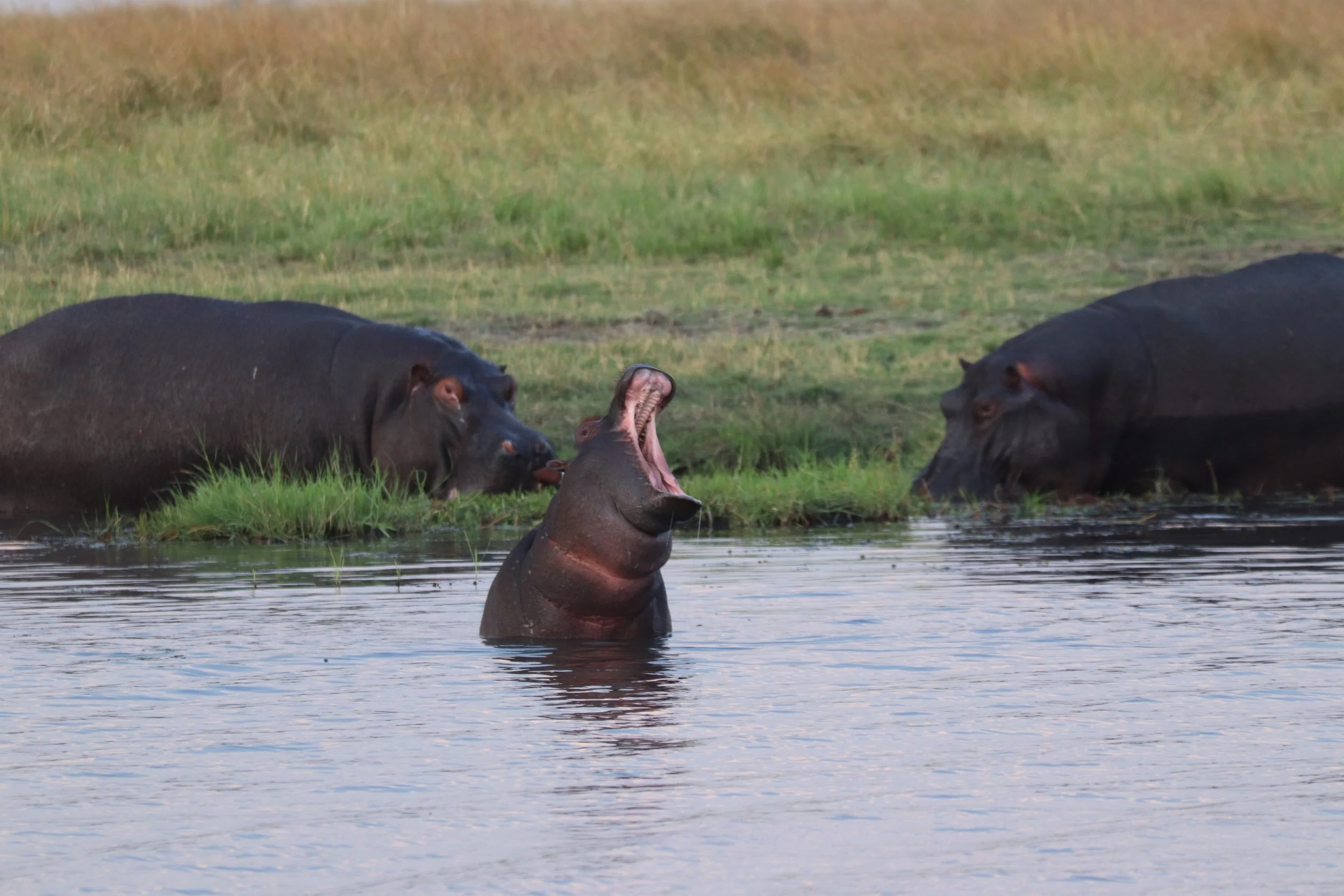
And further down the river, we saw a group of hippos just chilling out. Although there were two males in the back who did not want to share the space, so a lot of aggressive sounds were being made as well as a show of how wide they can open their mouths:
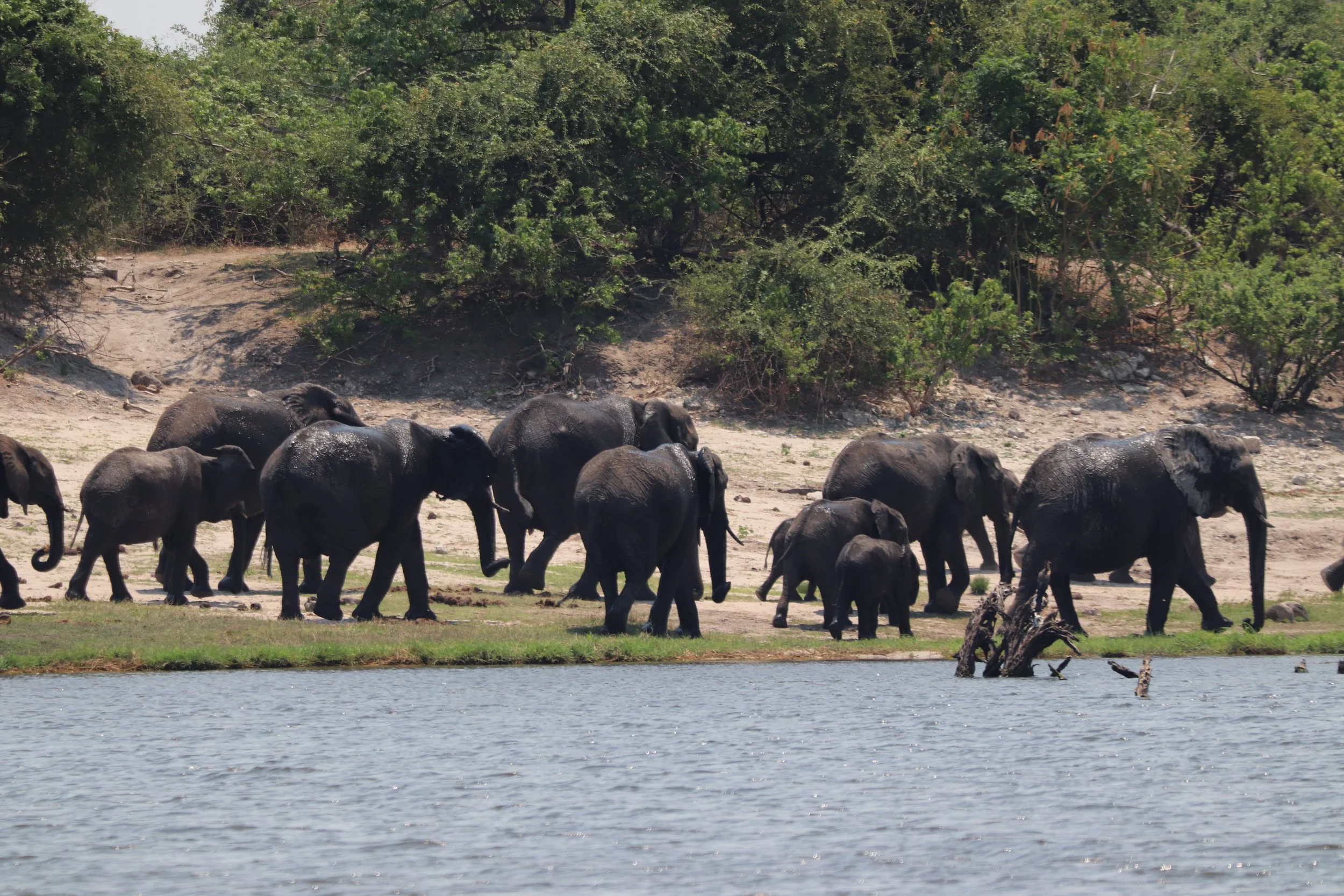
On our last full day, they also organized a lunch cruise. At first, it was looking like a bust; the elephants were all leaving just as we got to the usual bathing spot. But further upriver, we had a fresh herd come join us, so Wanga beached the boat and we were able to finish our meal with the most amazing natural show. Many of them were just a few yards away.
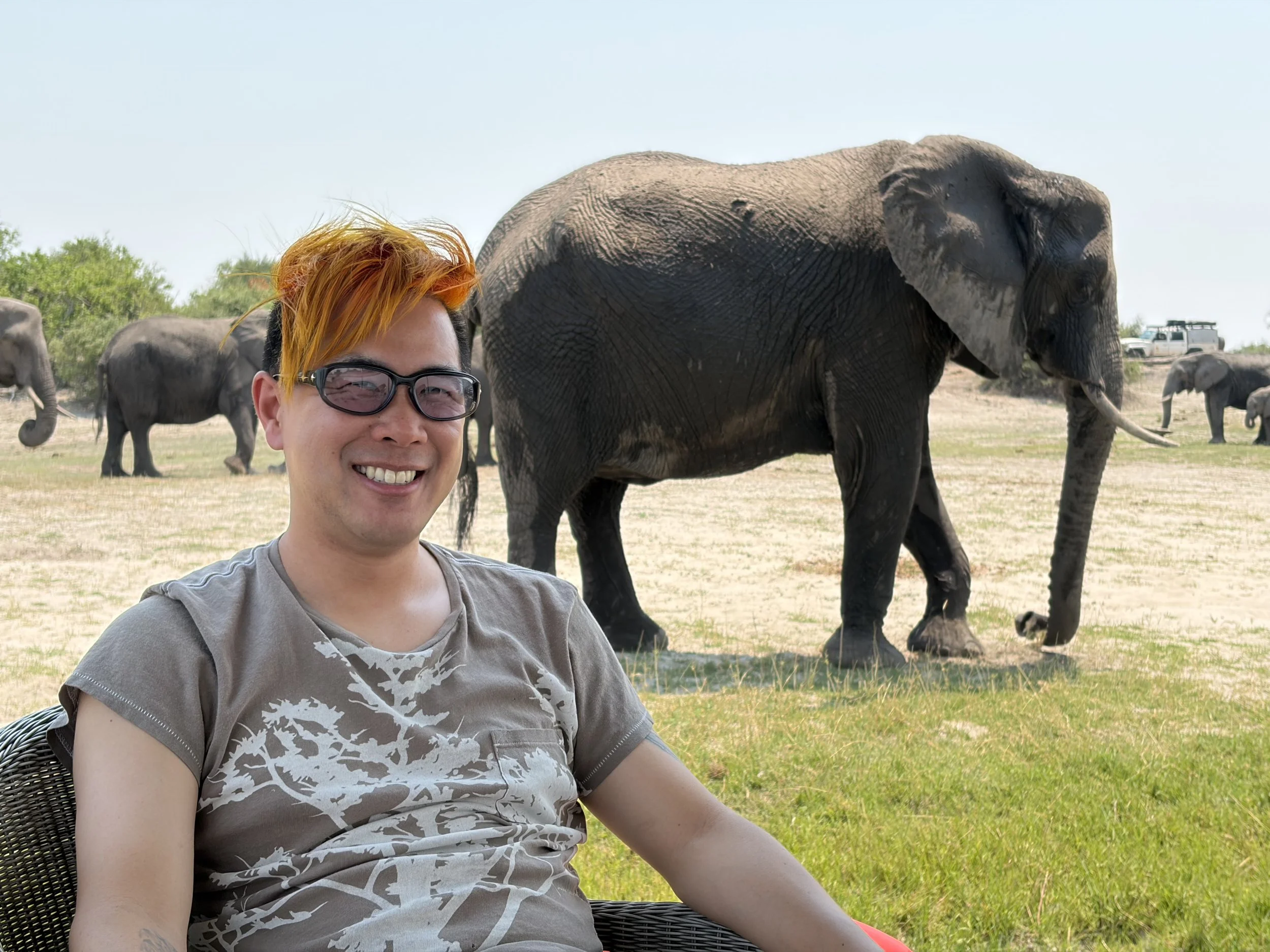
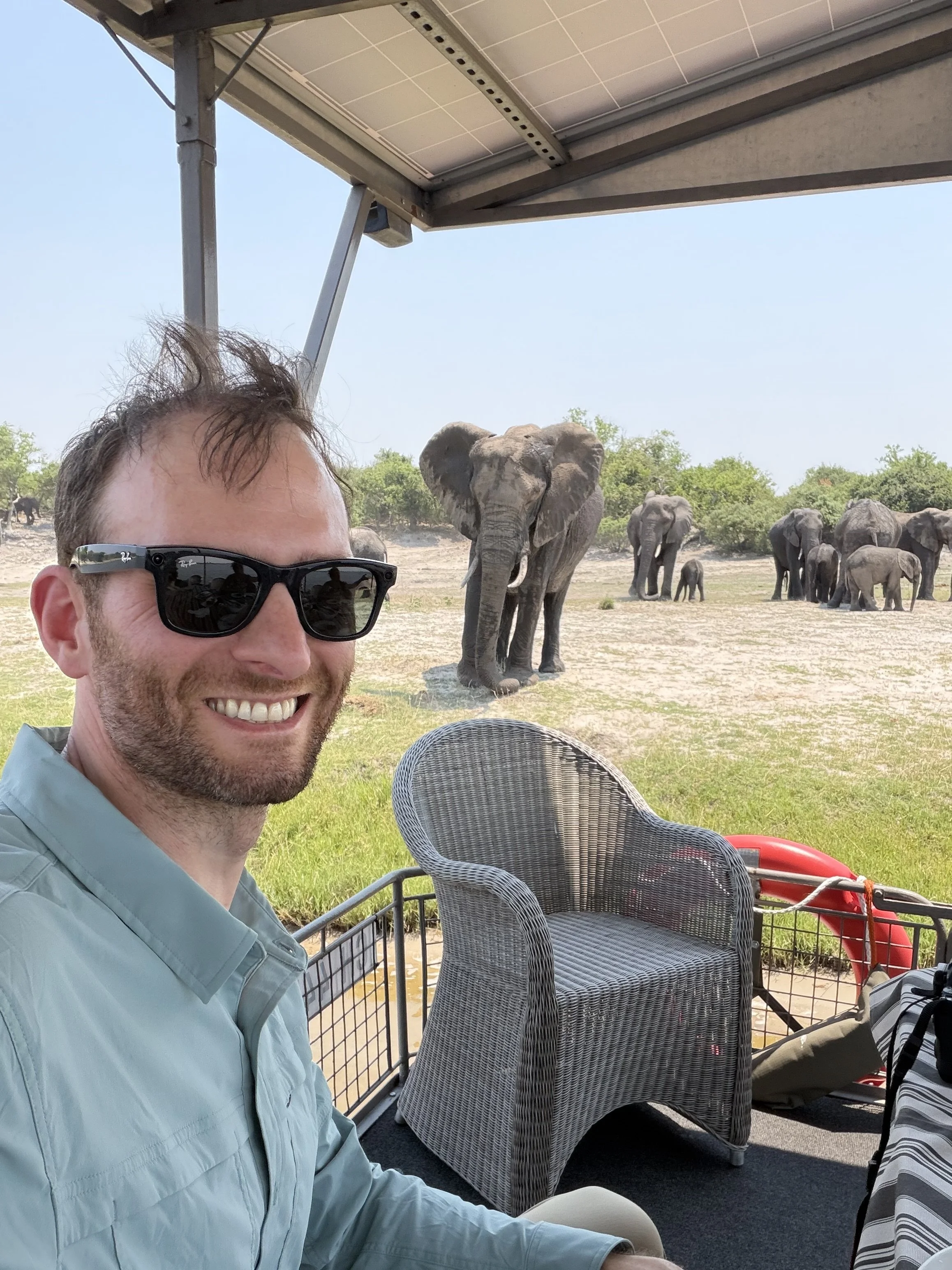
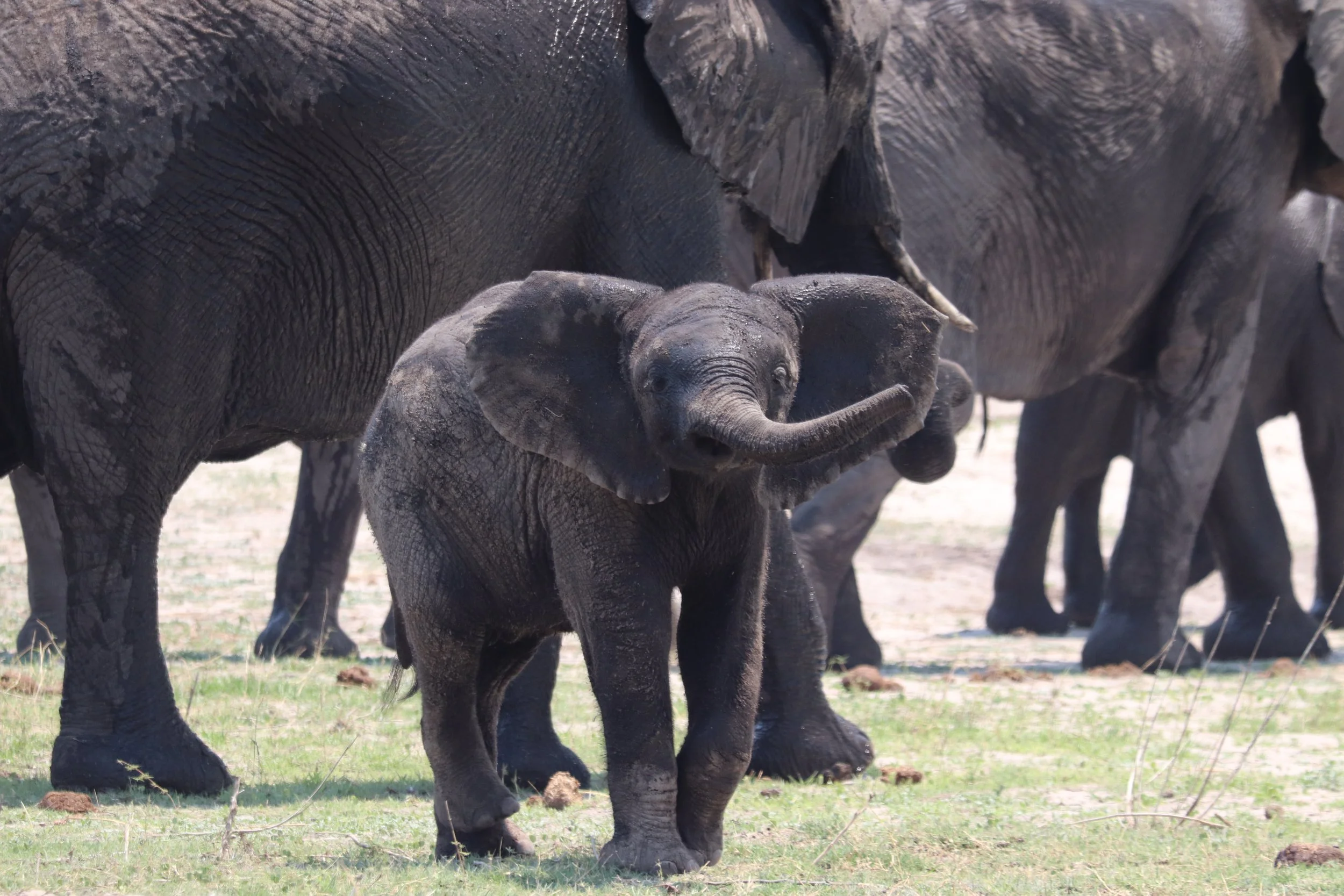
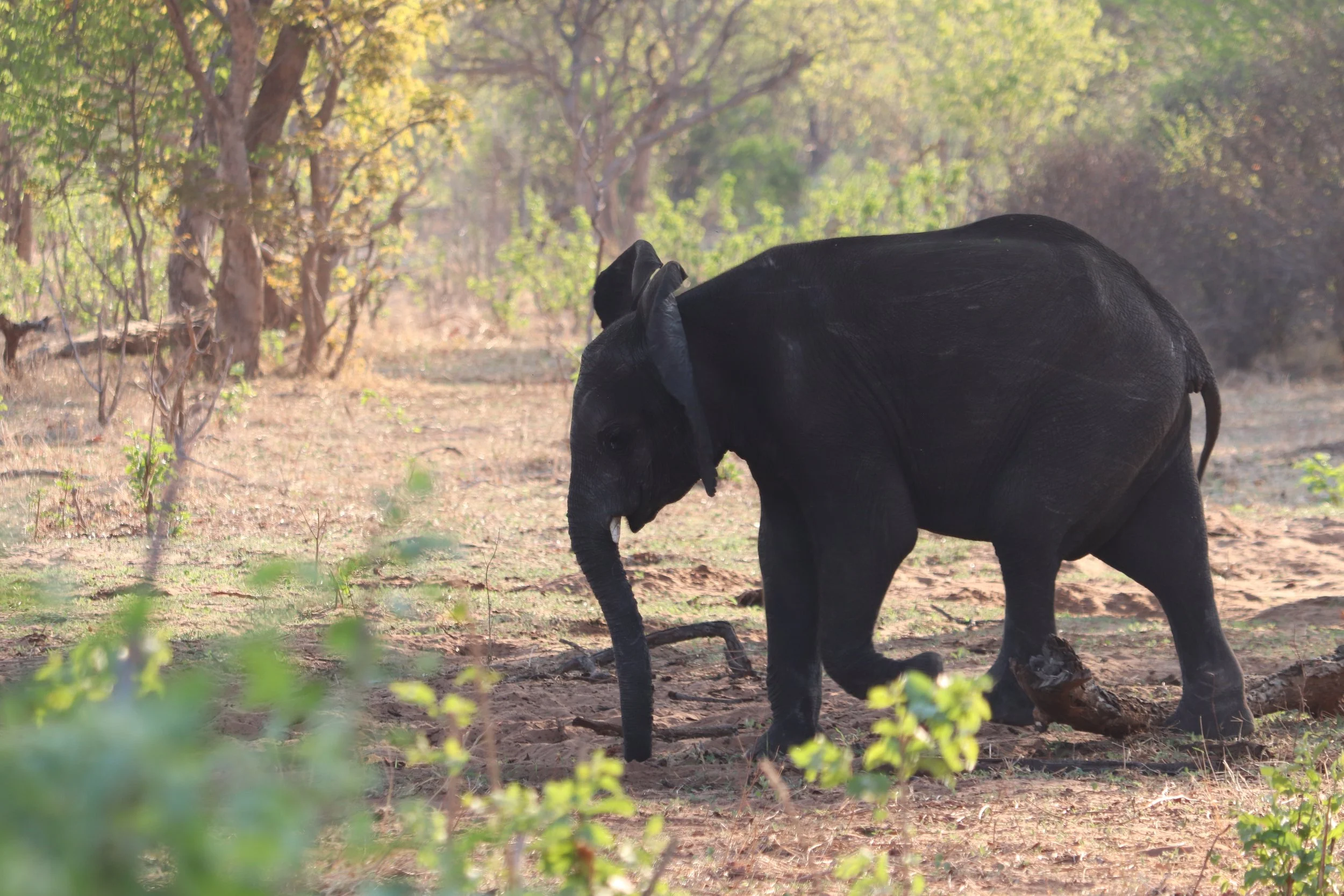
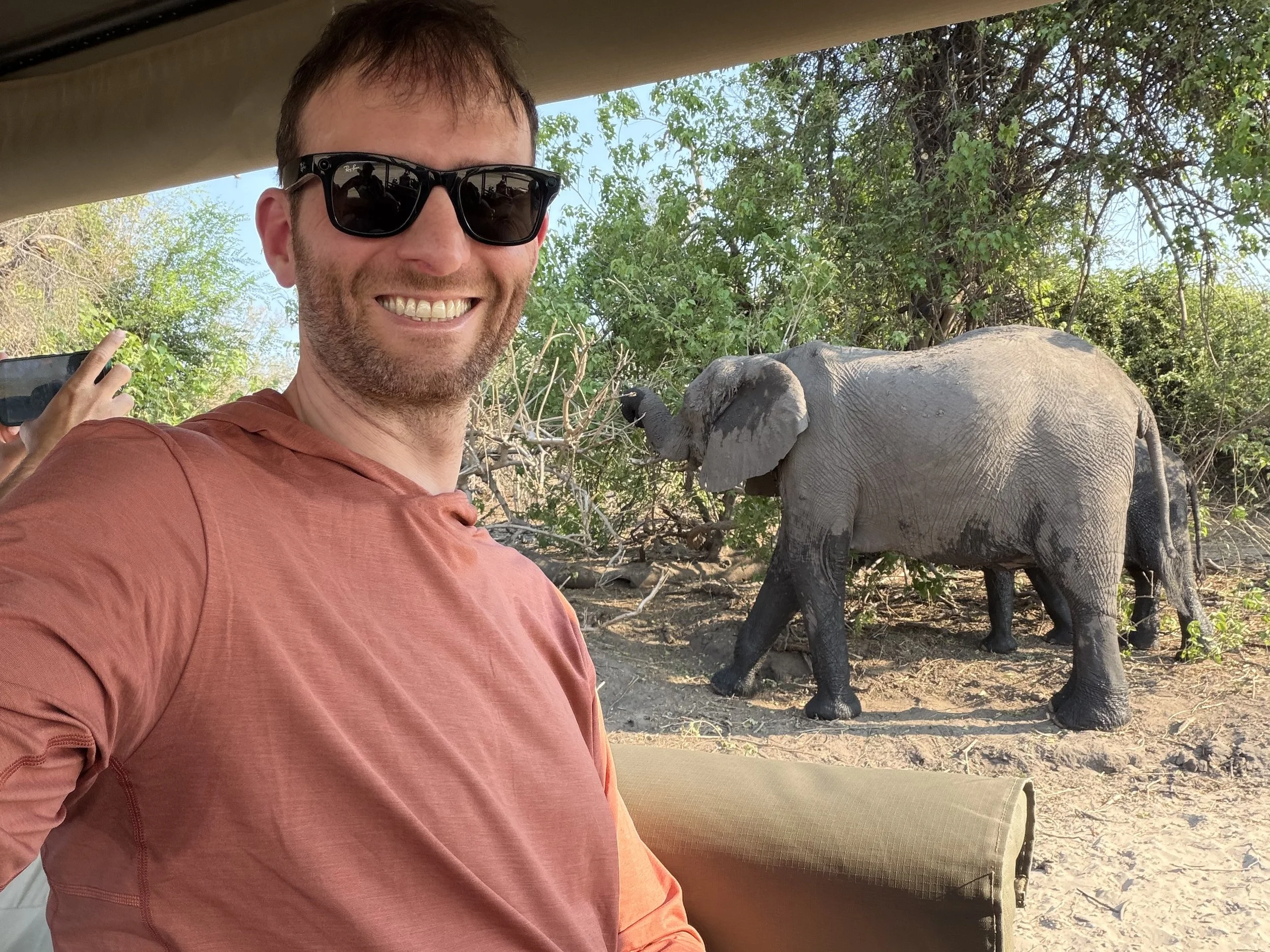
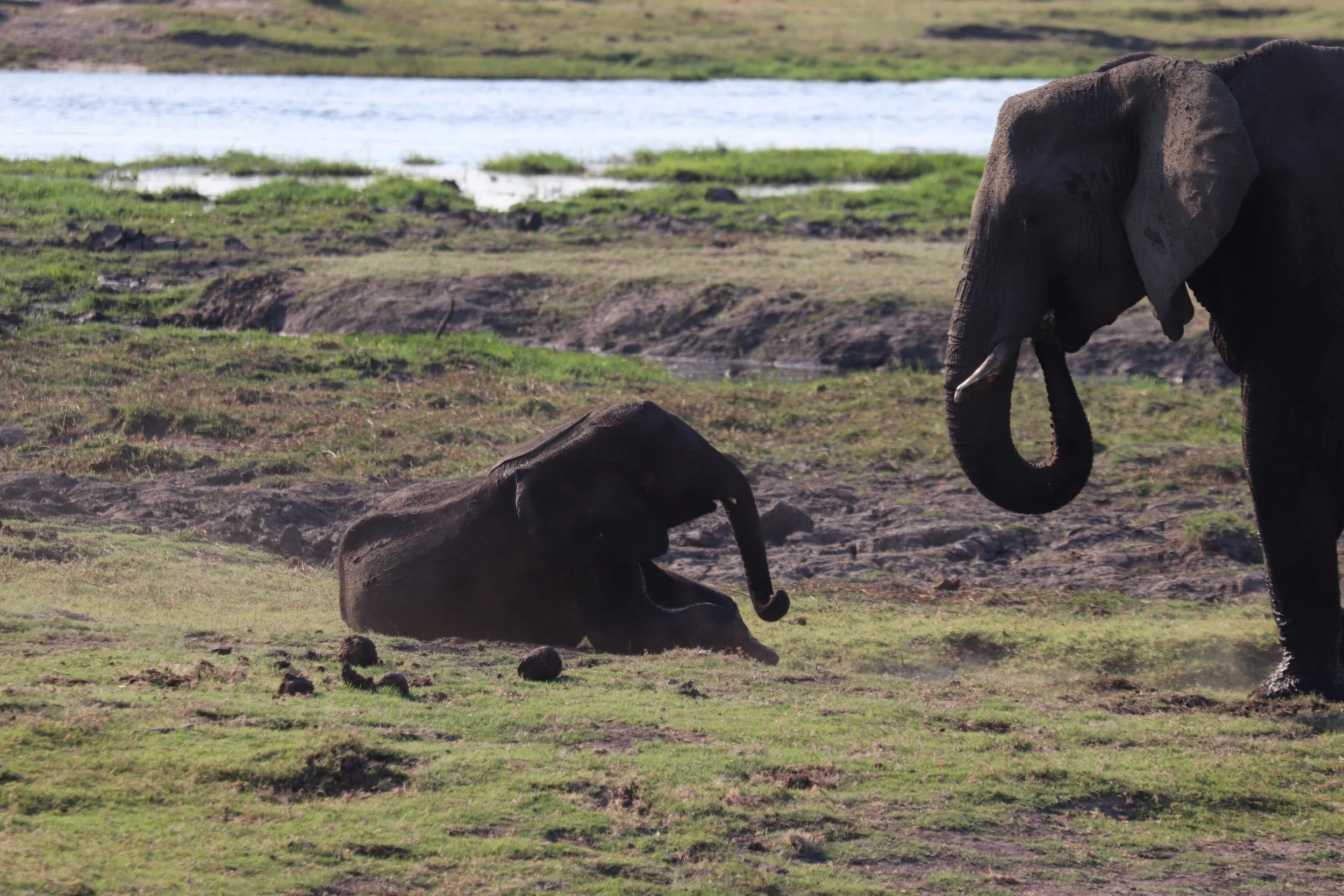
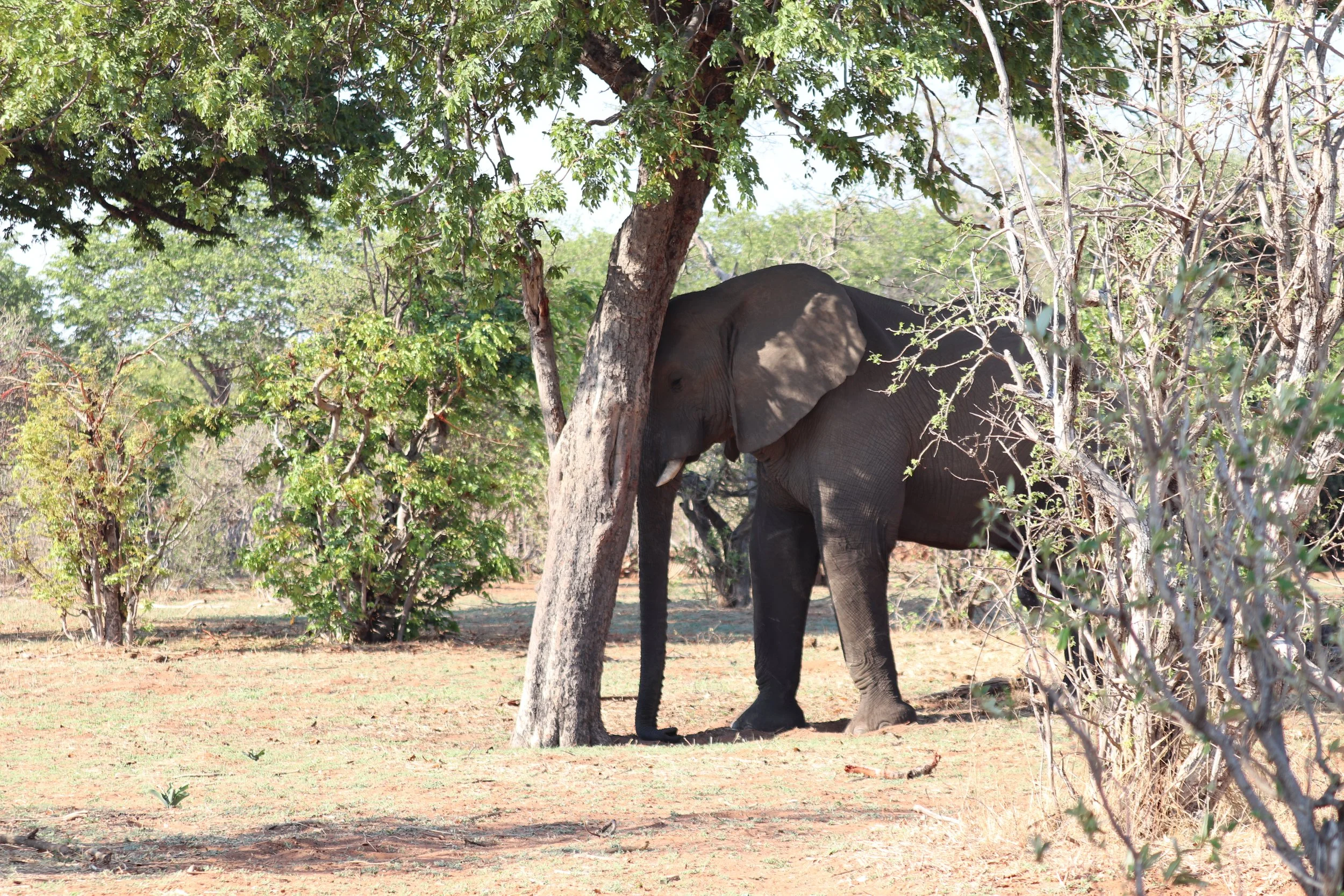
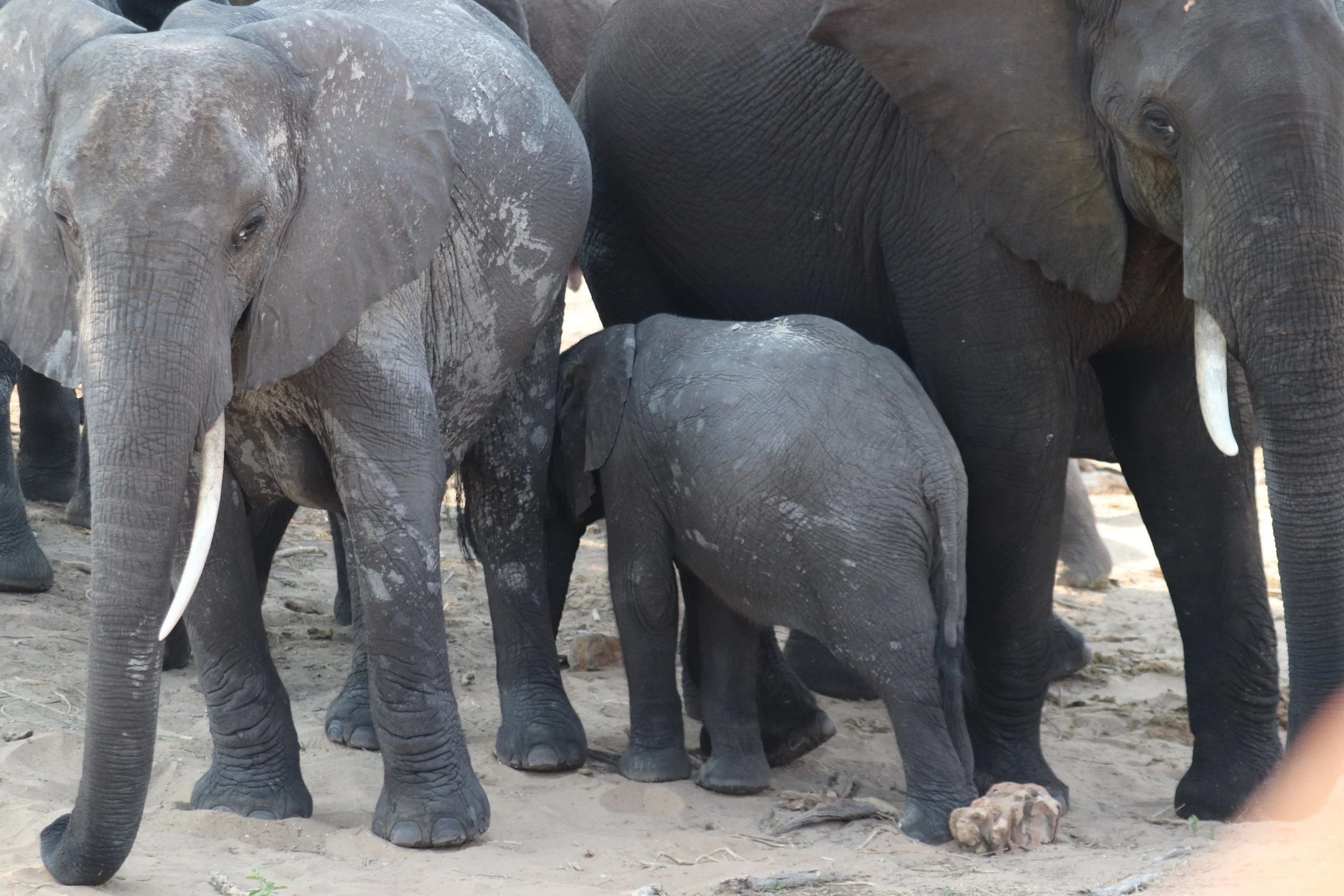
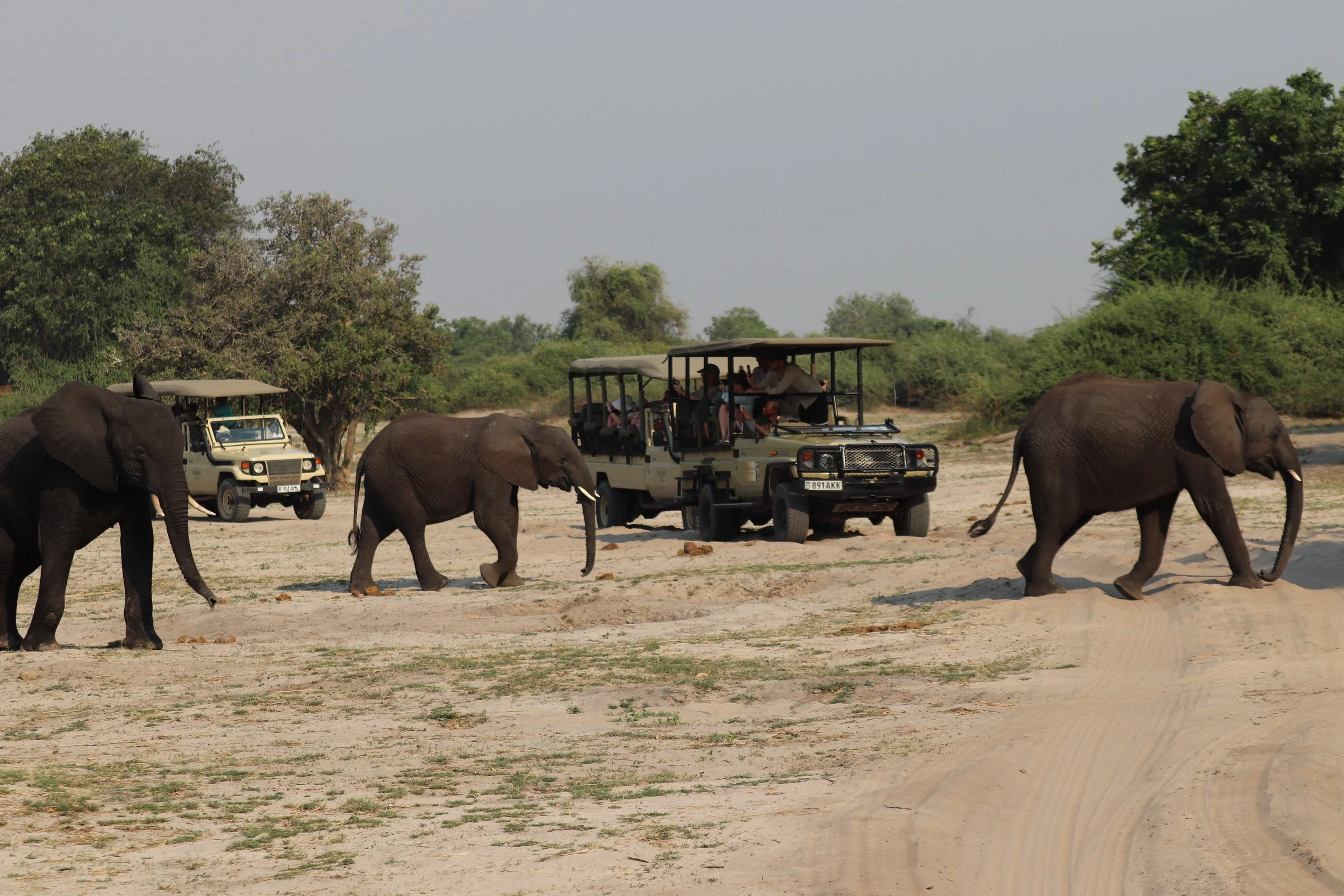
On land, we also had some great up-close elephant encounters. In one case we got a little mock charge, because, as Wanga put it, the young boys are mischievous. But we were never really at risk.
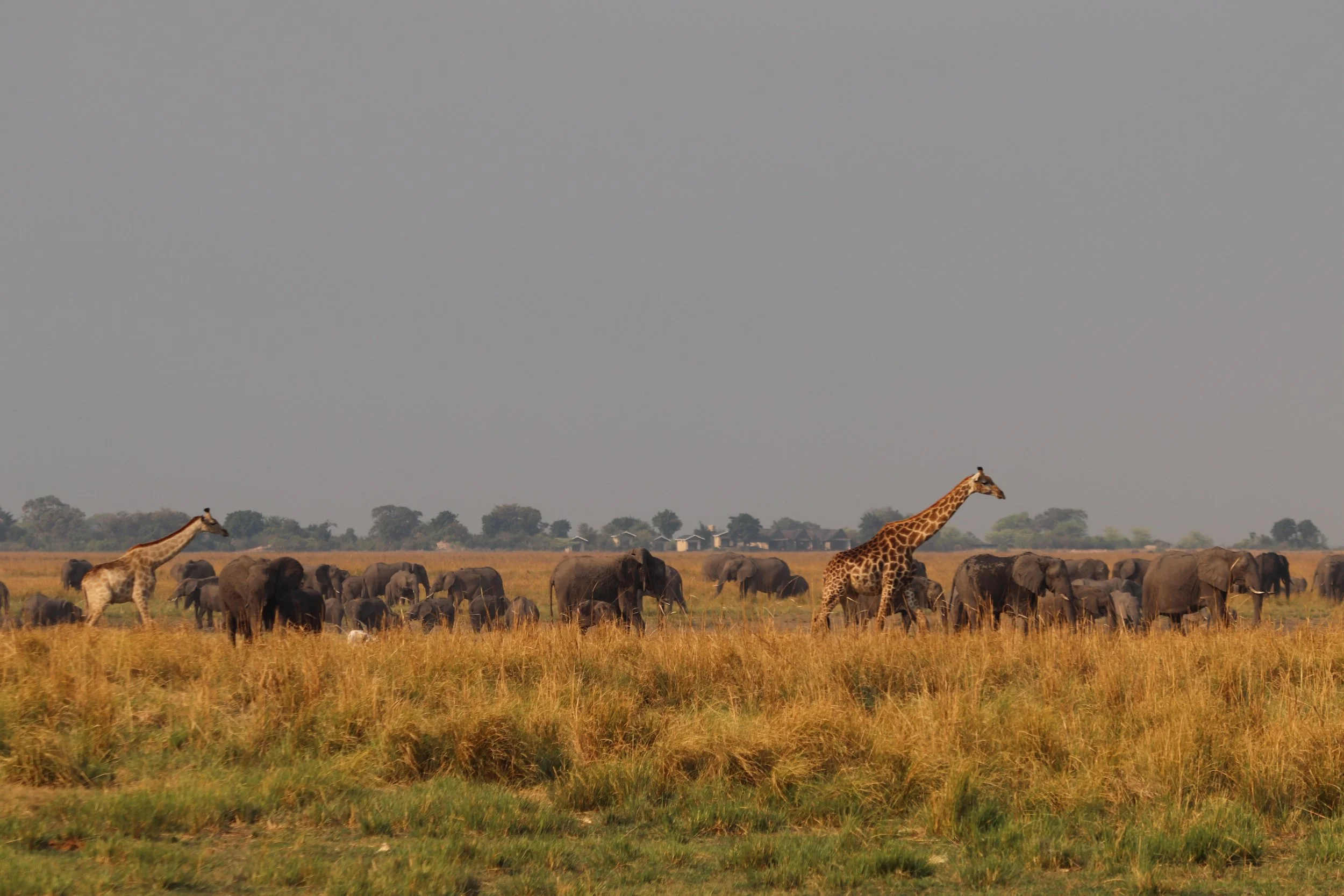
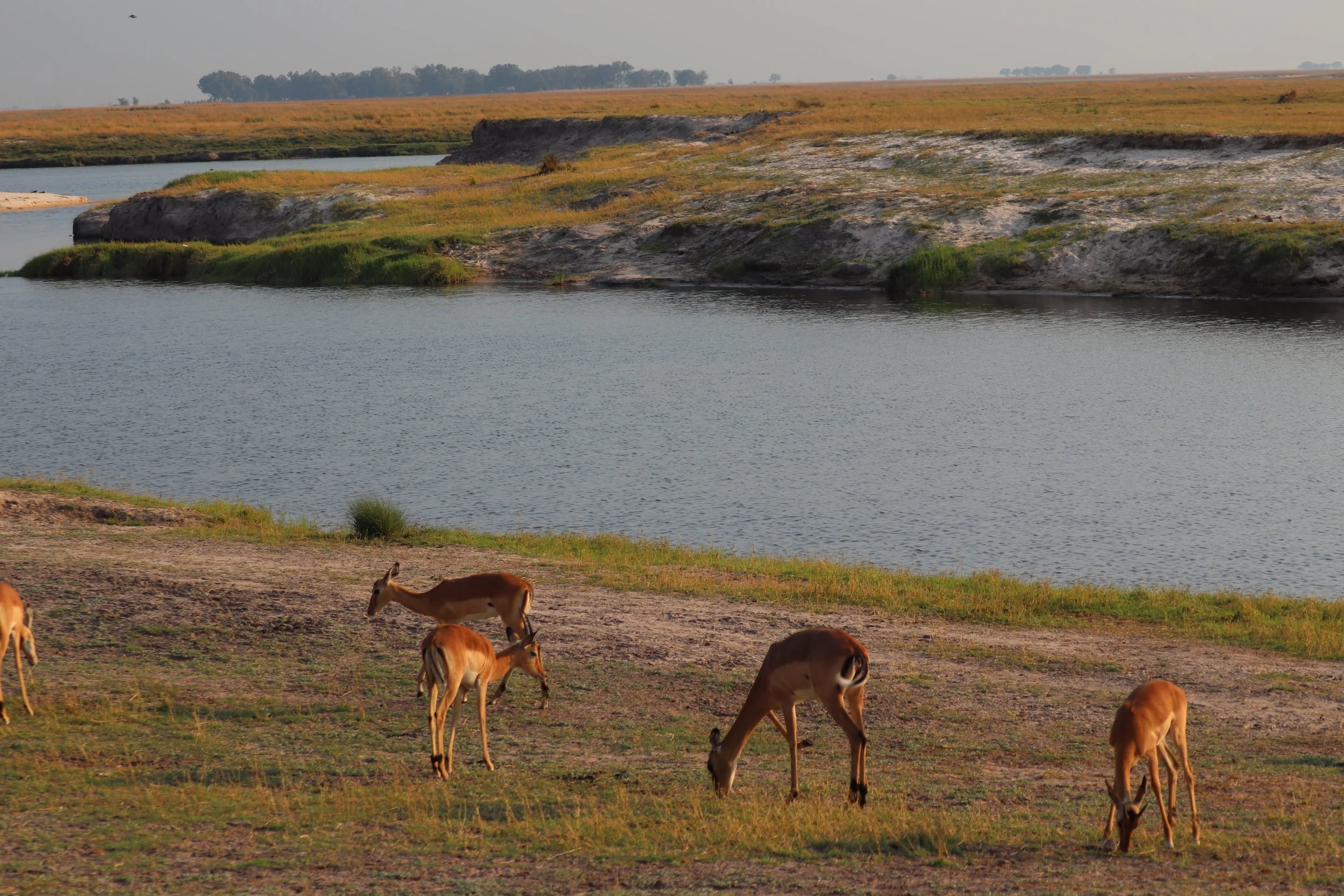
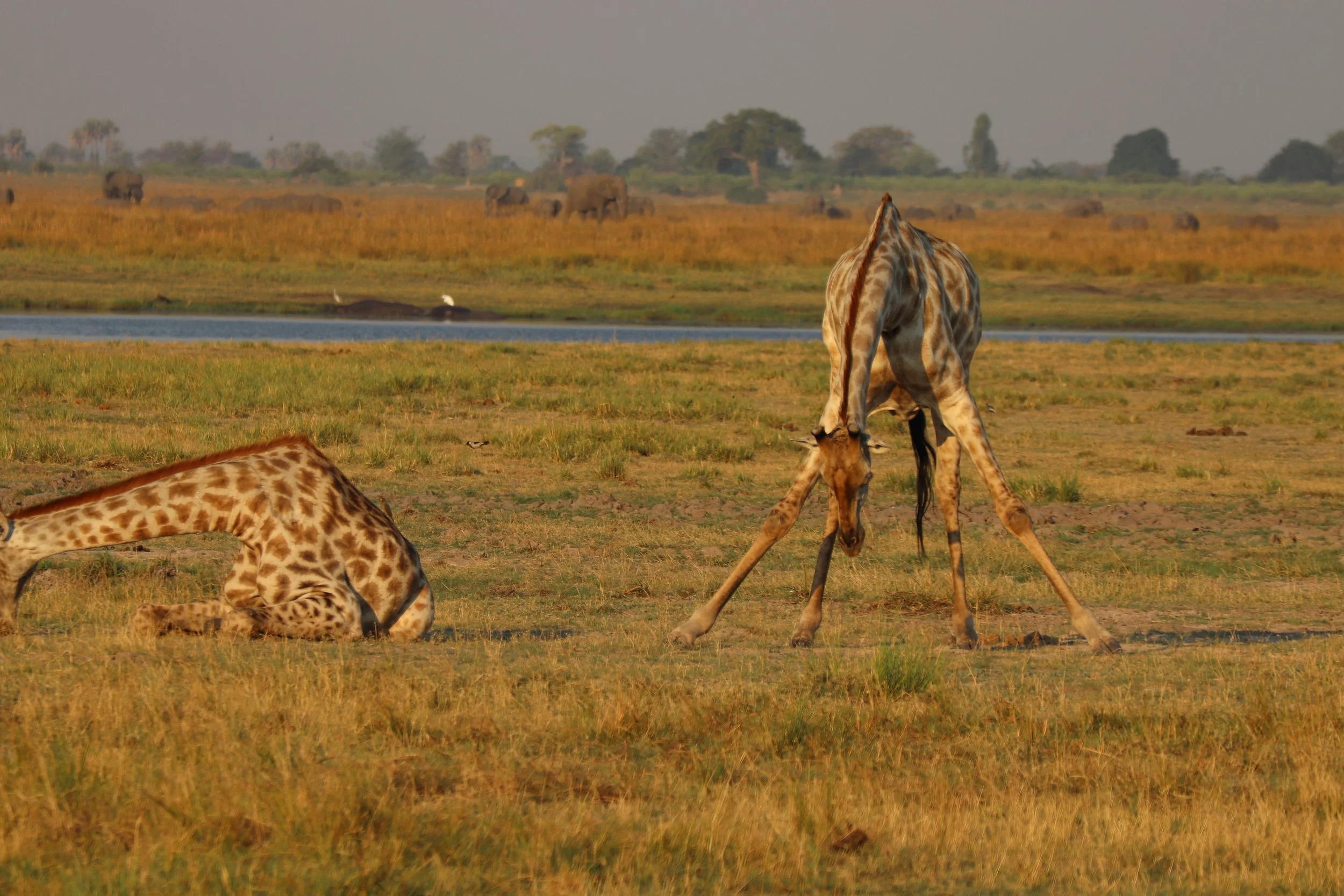
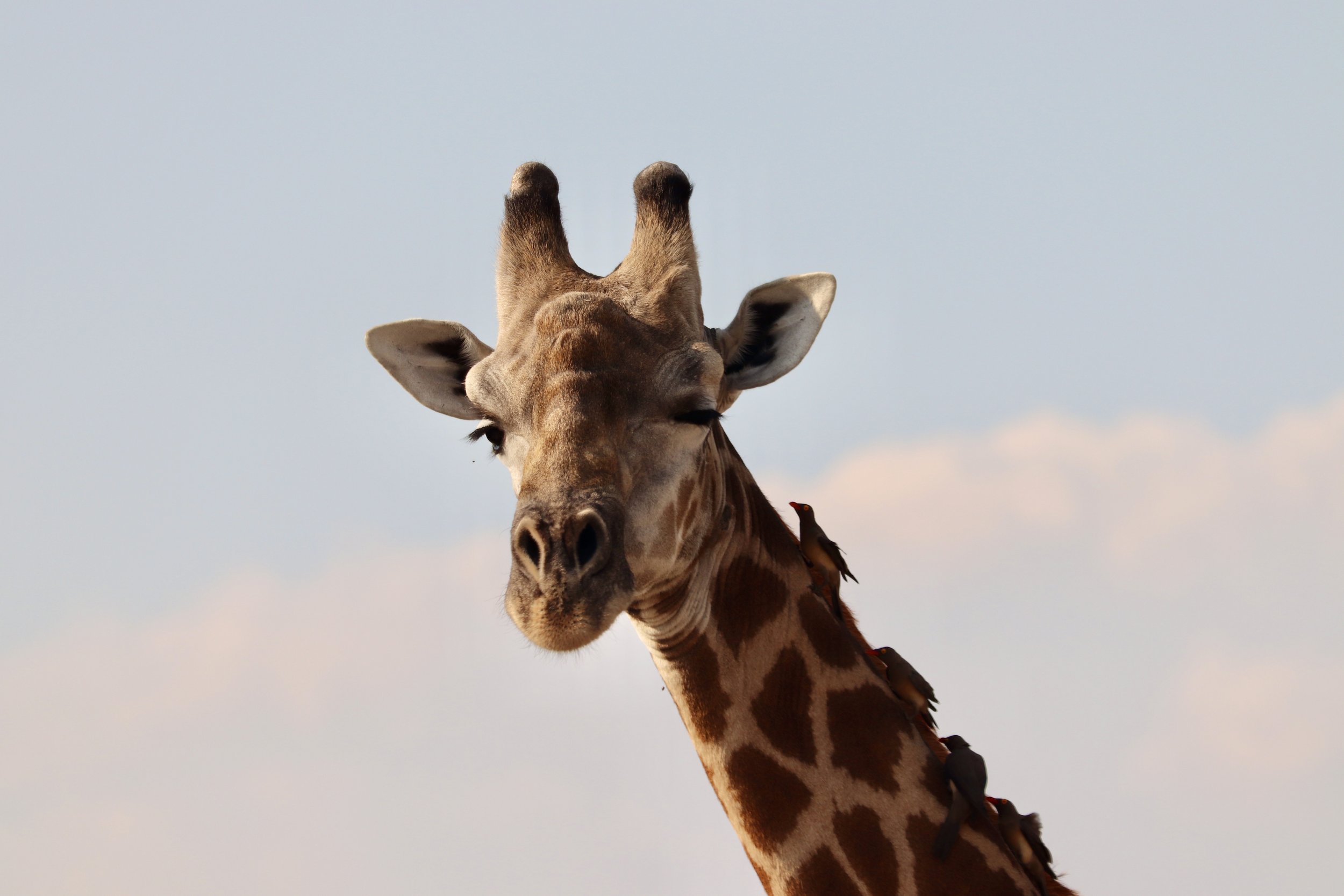
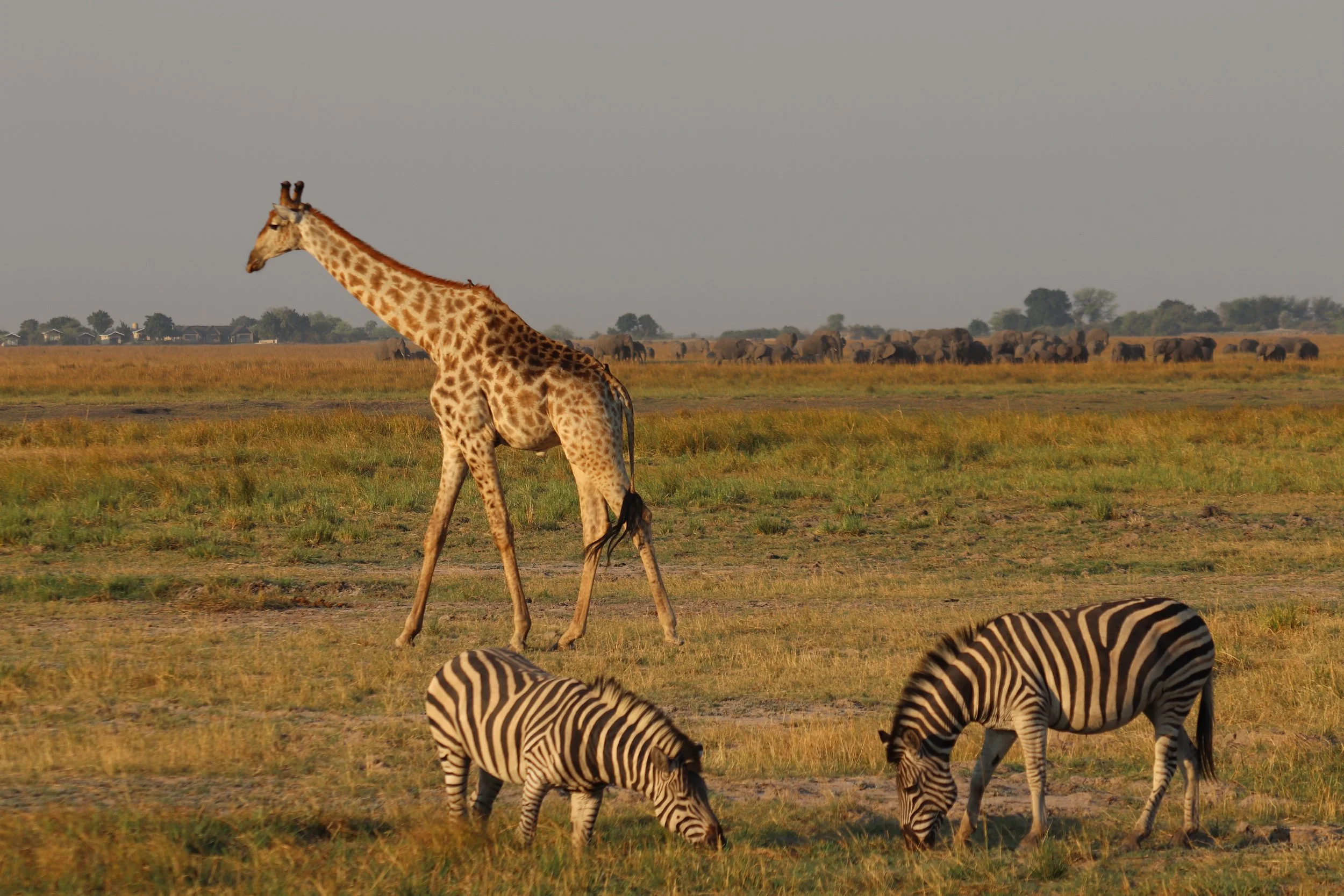
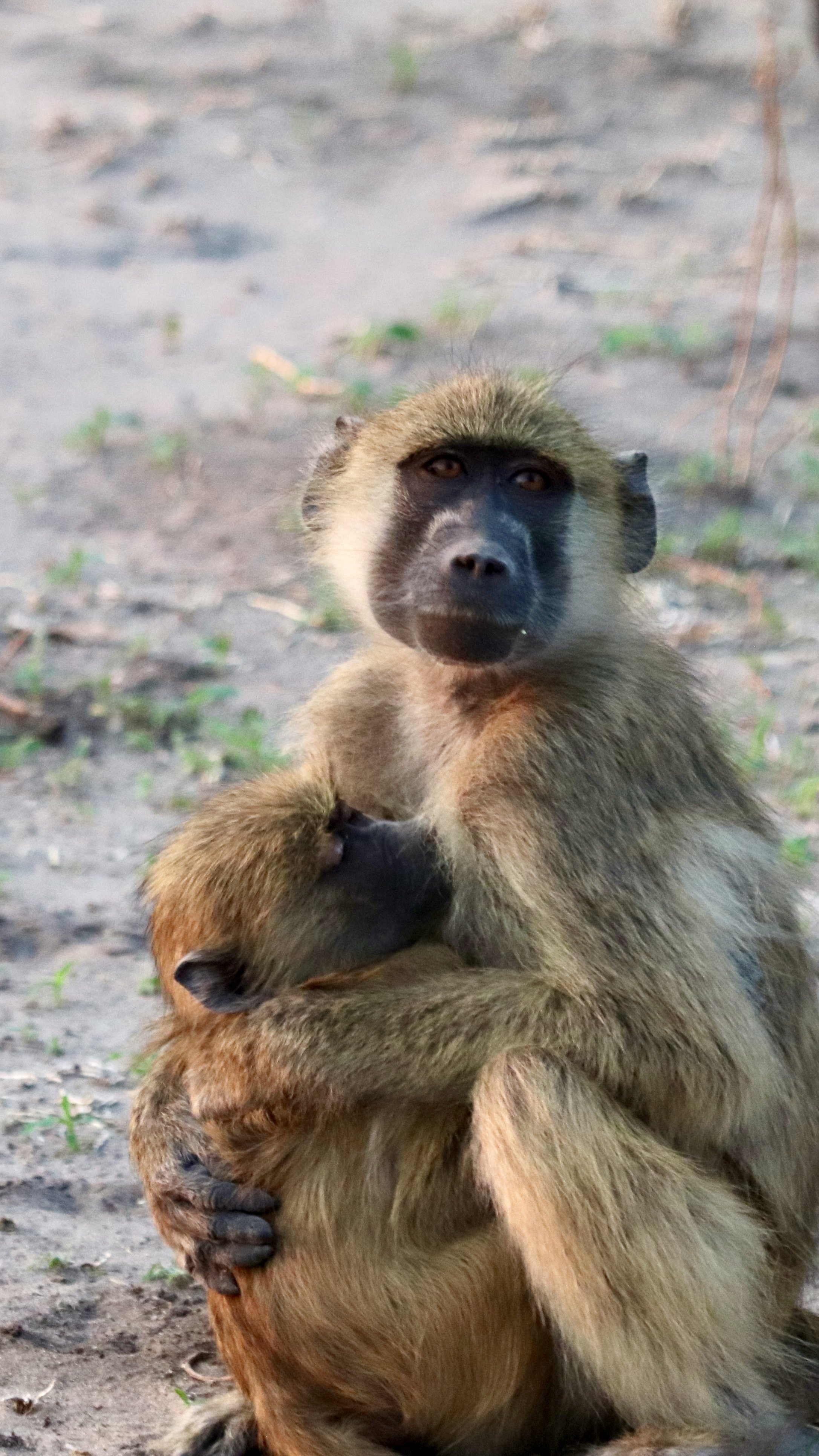
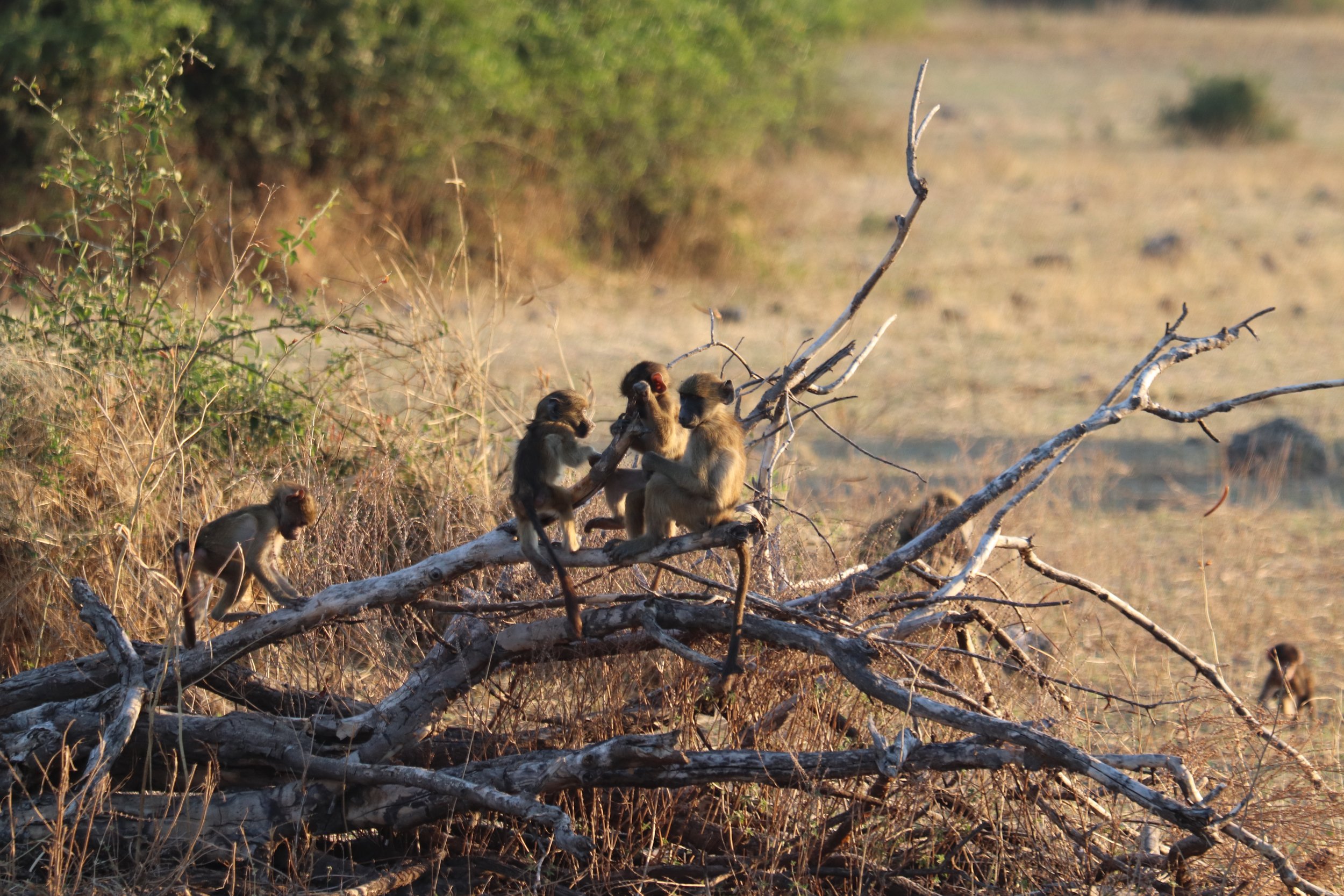
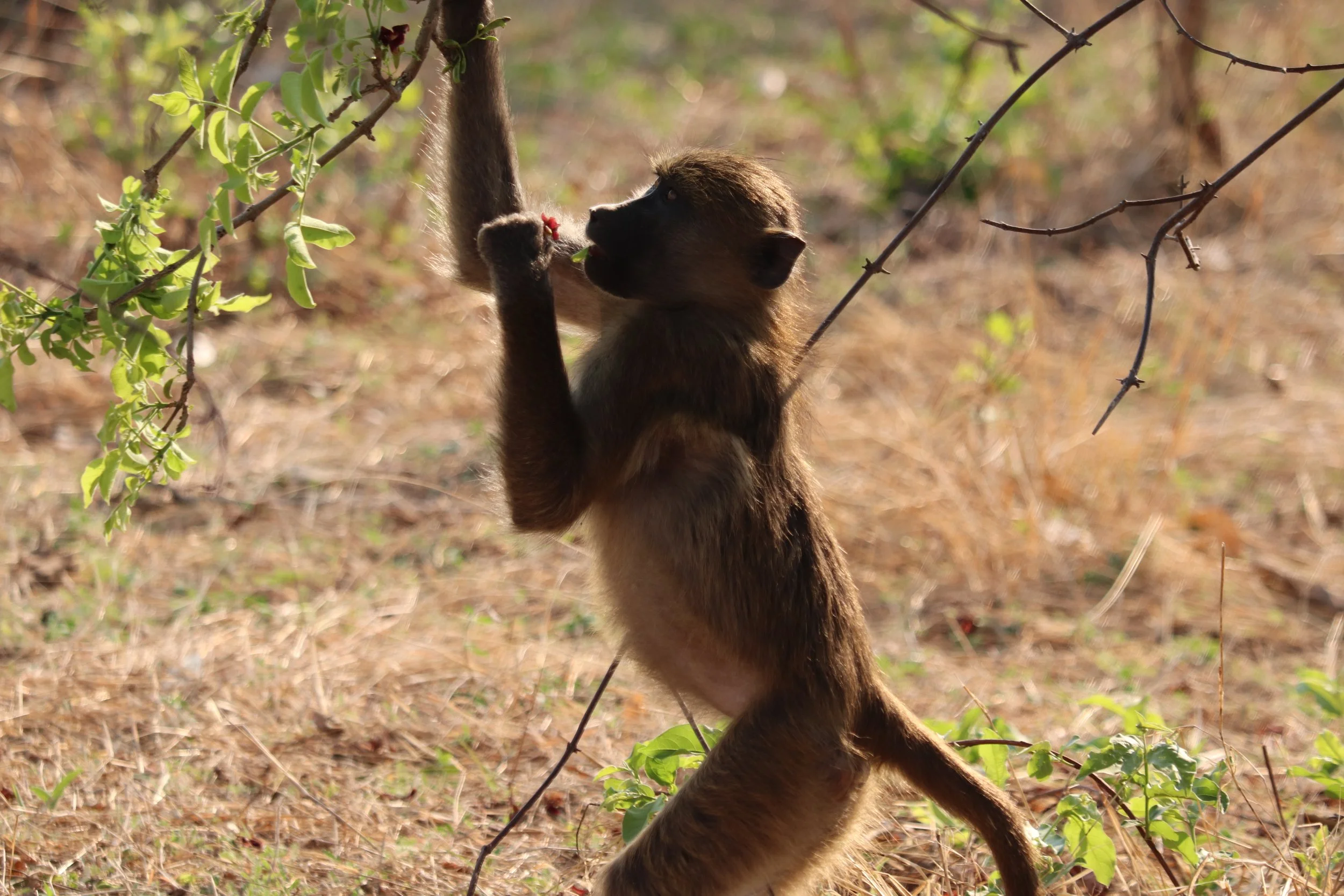
Speaking of close encounters, we had some great run-ins with giraffes, and the endless impala and baboons.
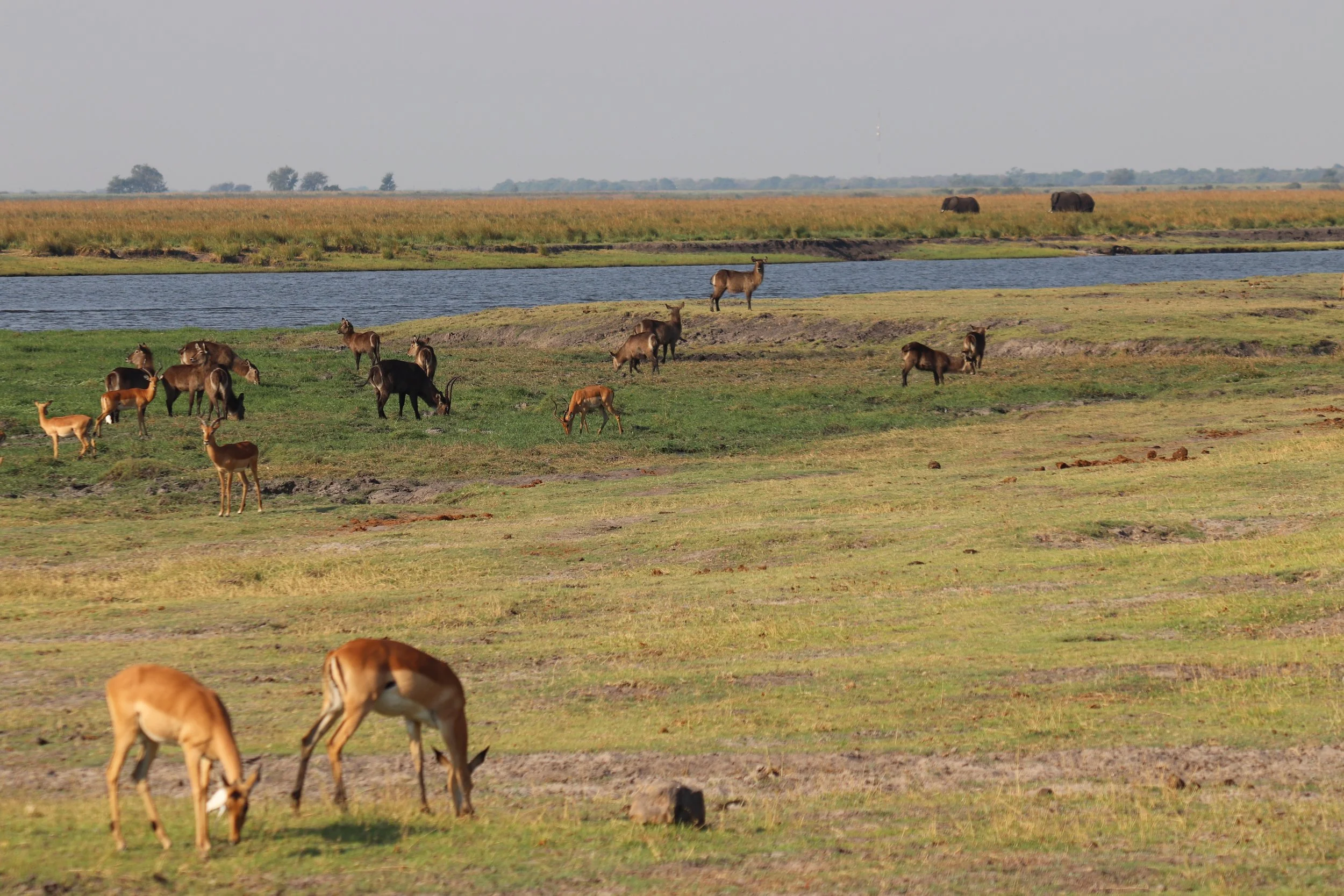
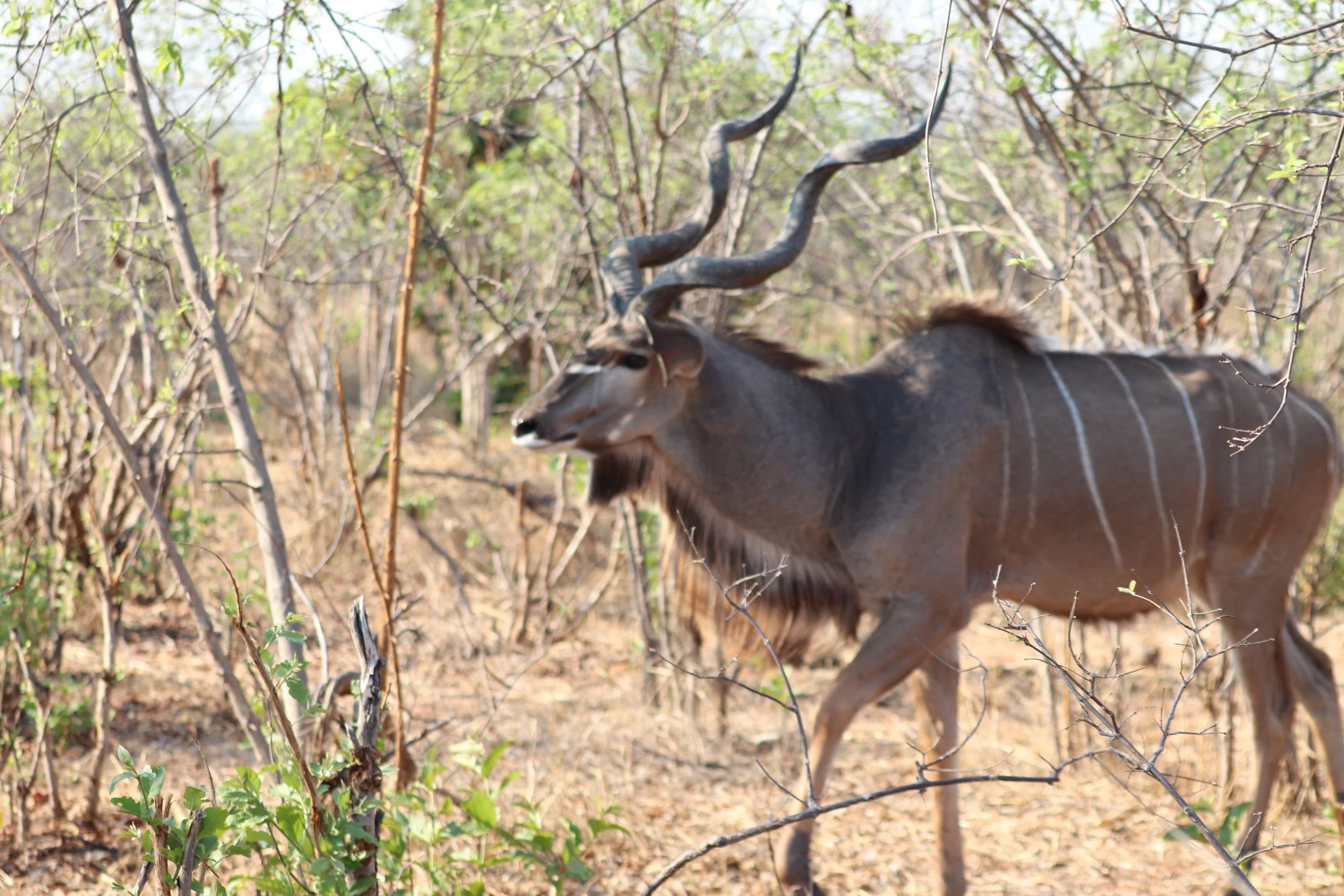
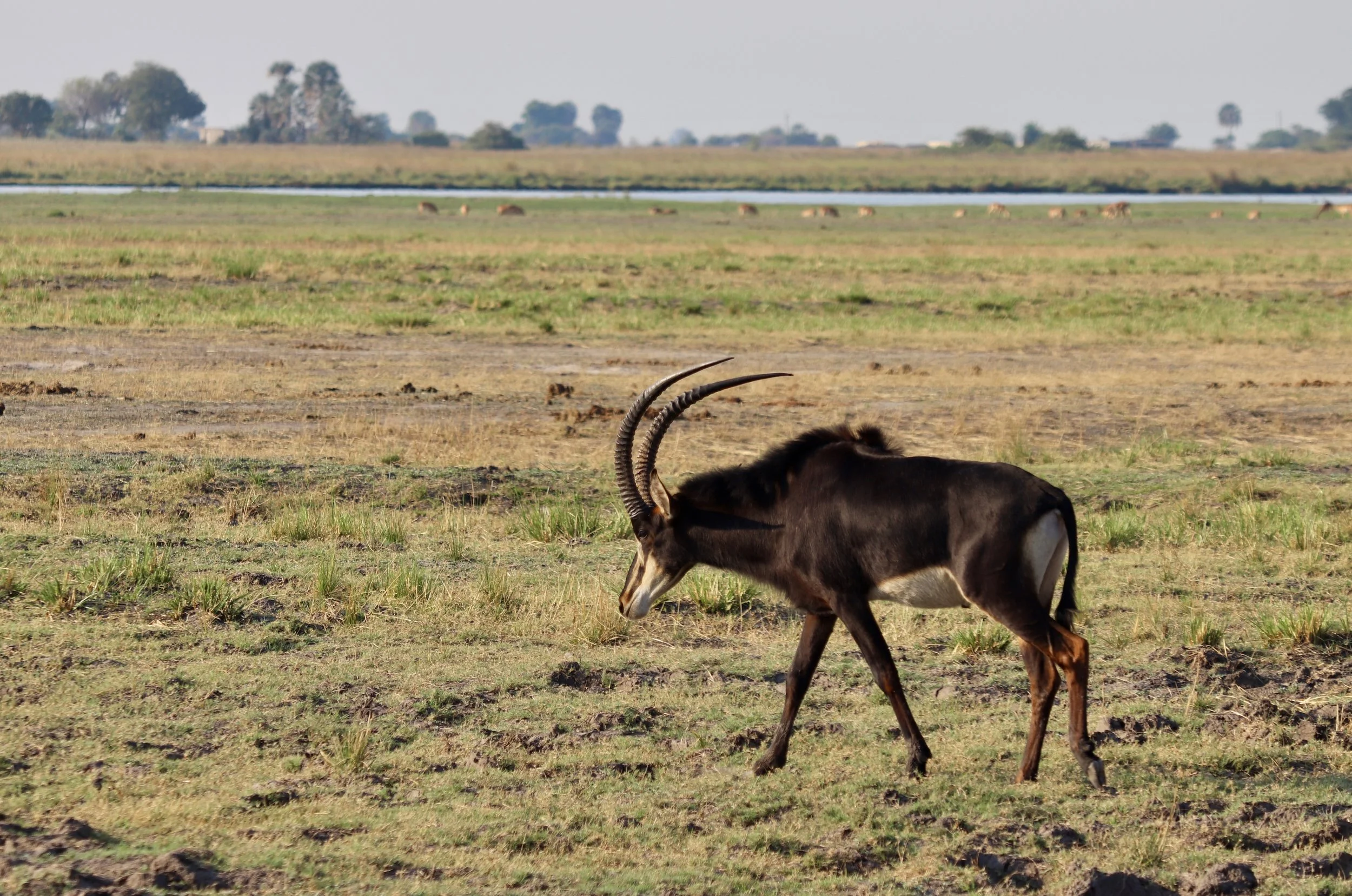
And the slightly less common antelopes we found were kudu and sable.
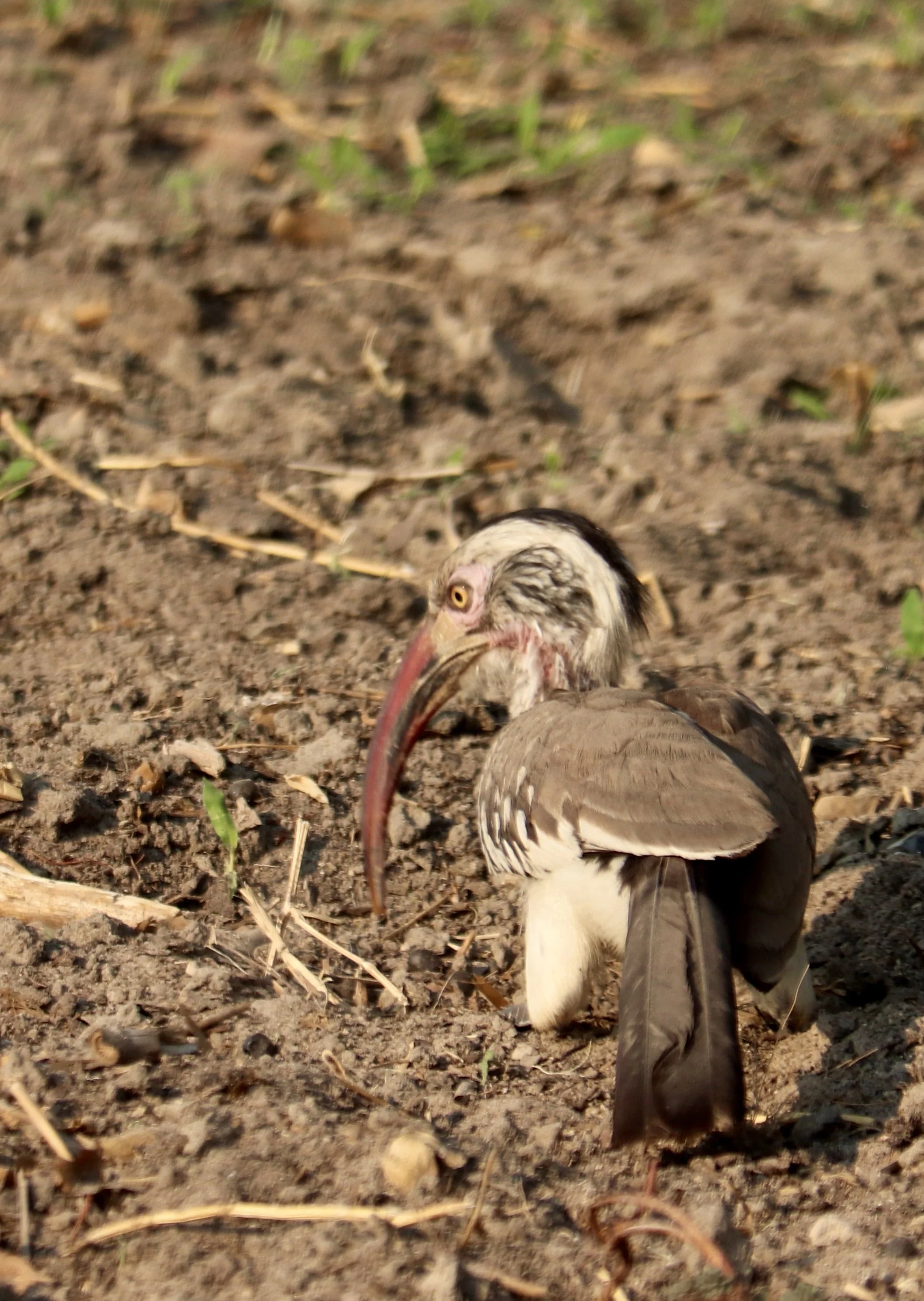
Another staple of the experience is birds. Early on, Wanga asked if anyone is a bird lover, and nobody in our group was. But some of them are still crazy pretty.
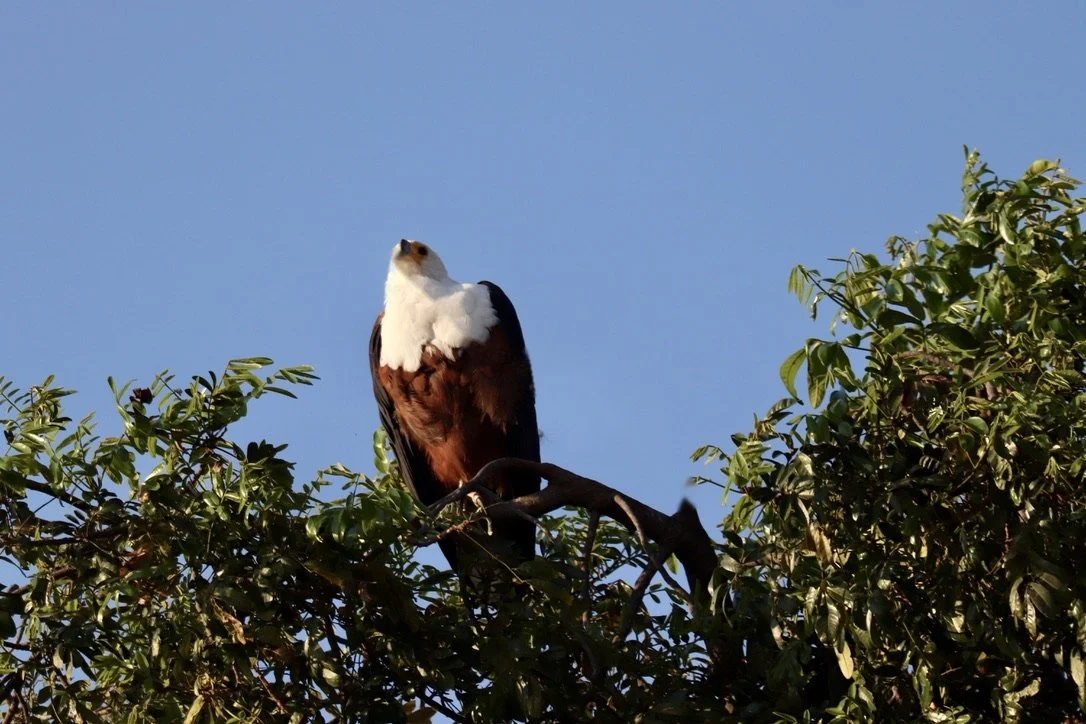
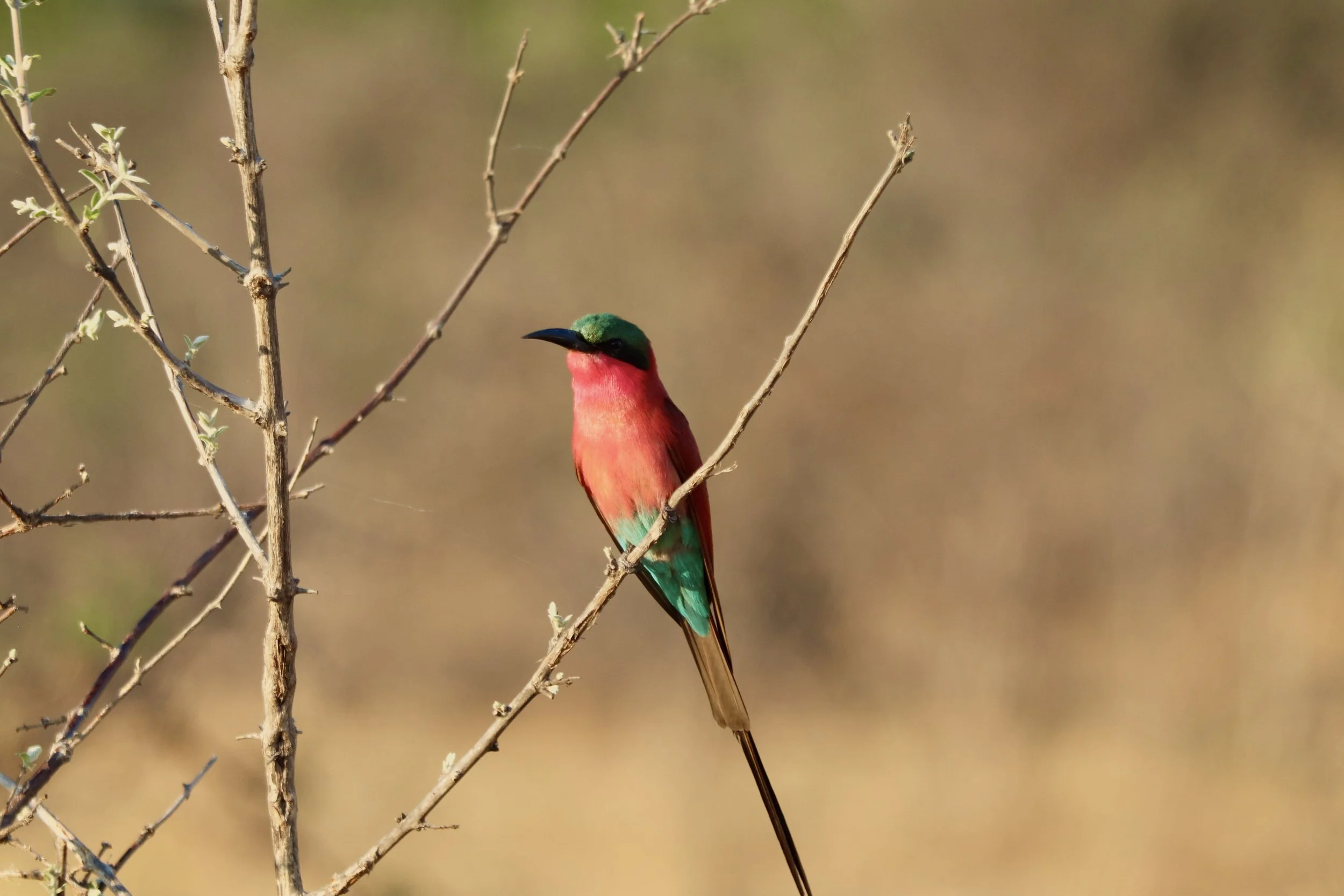
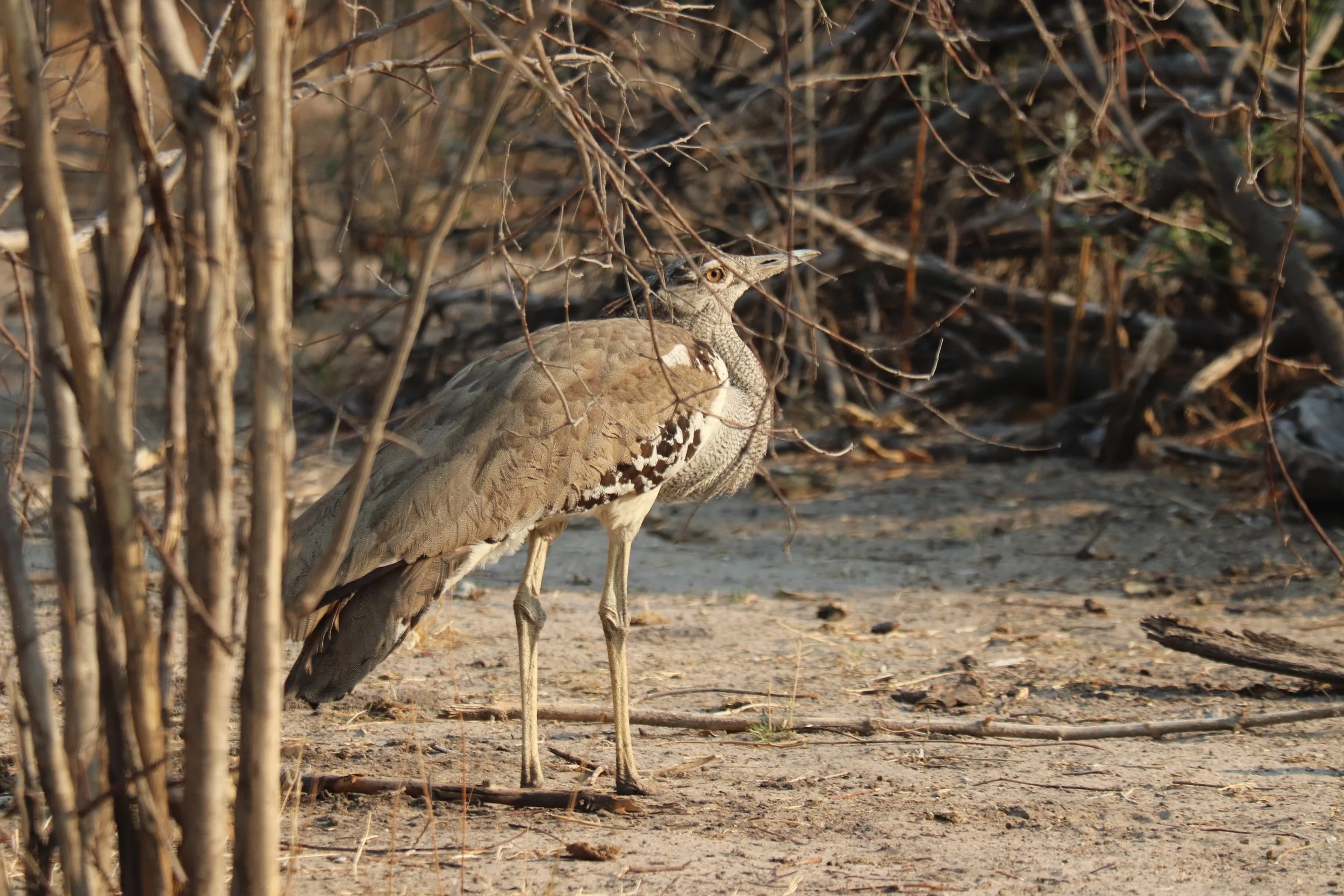
Warthogs were so common that you could find them eating the grass at the lodge.
And the banded mongoose were practically an infestation there.
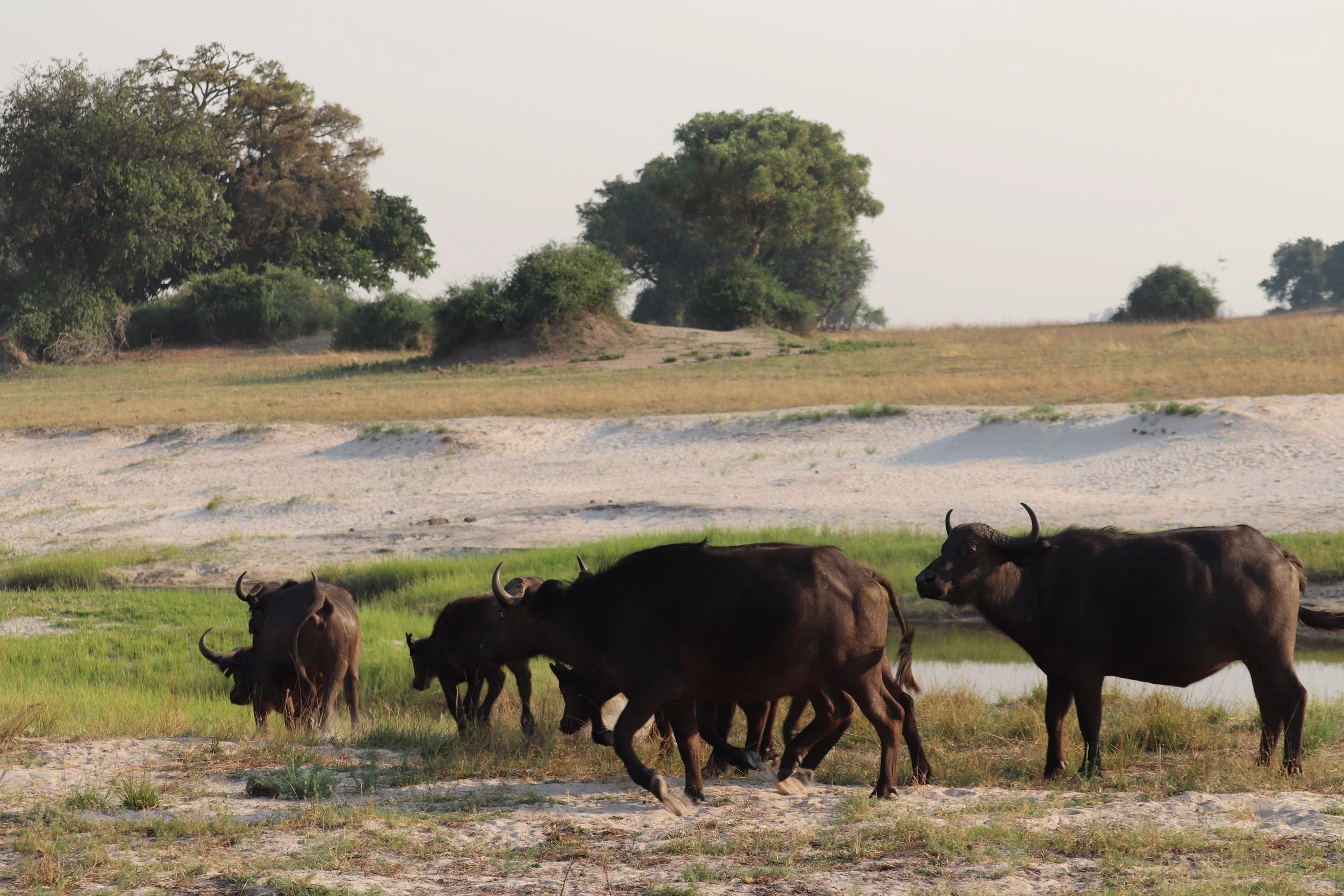
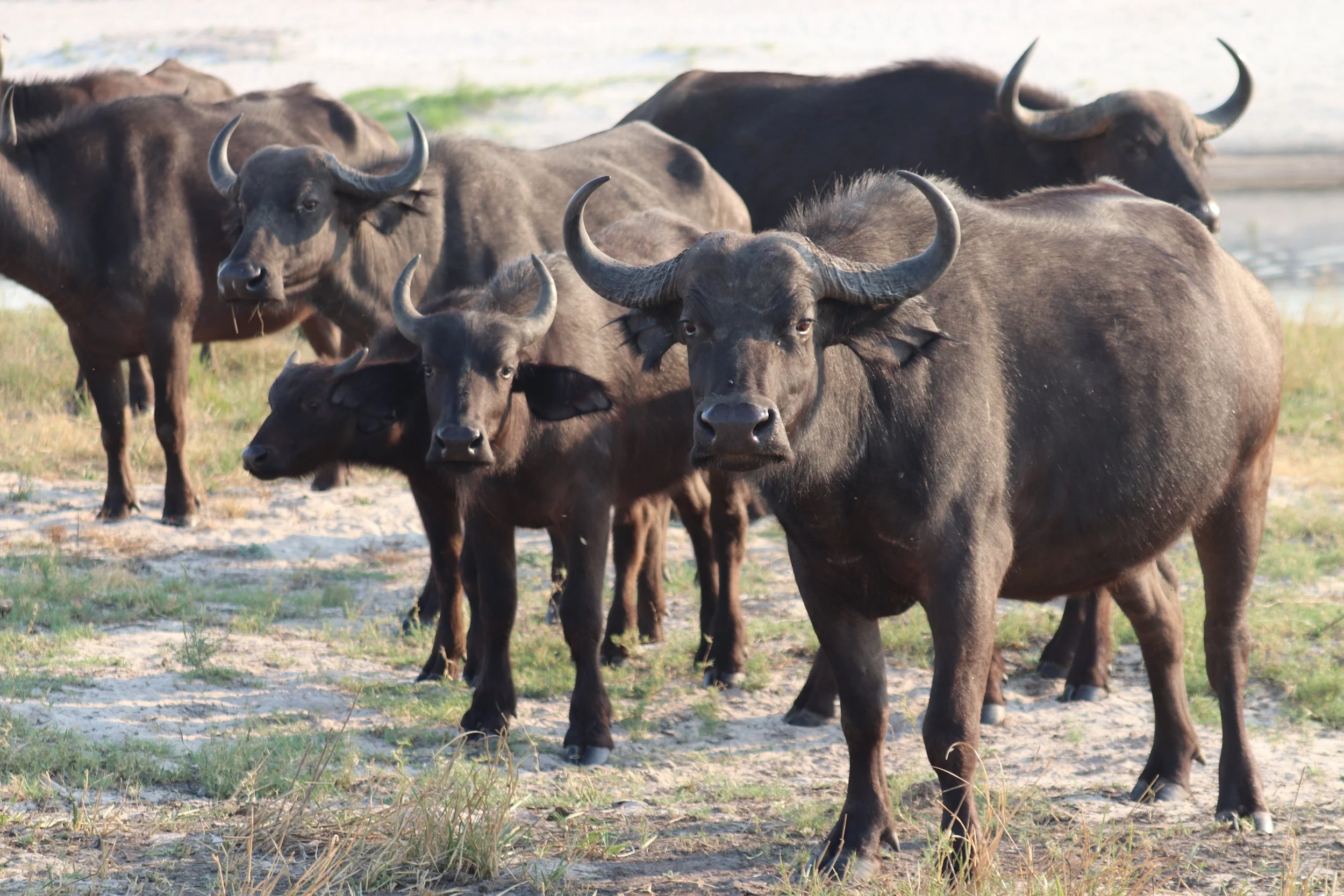
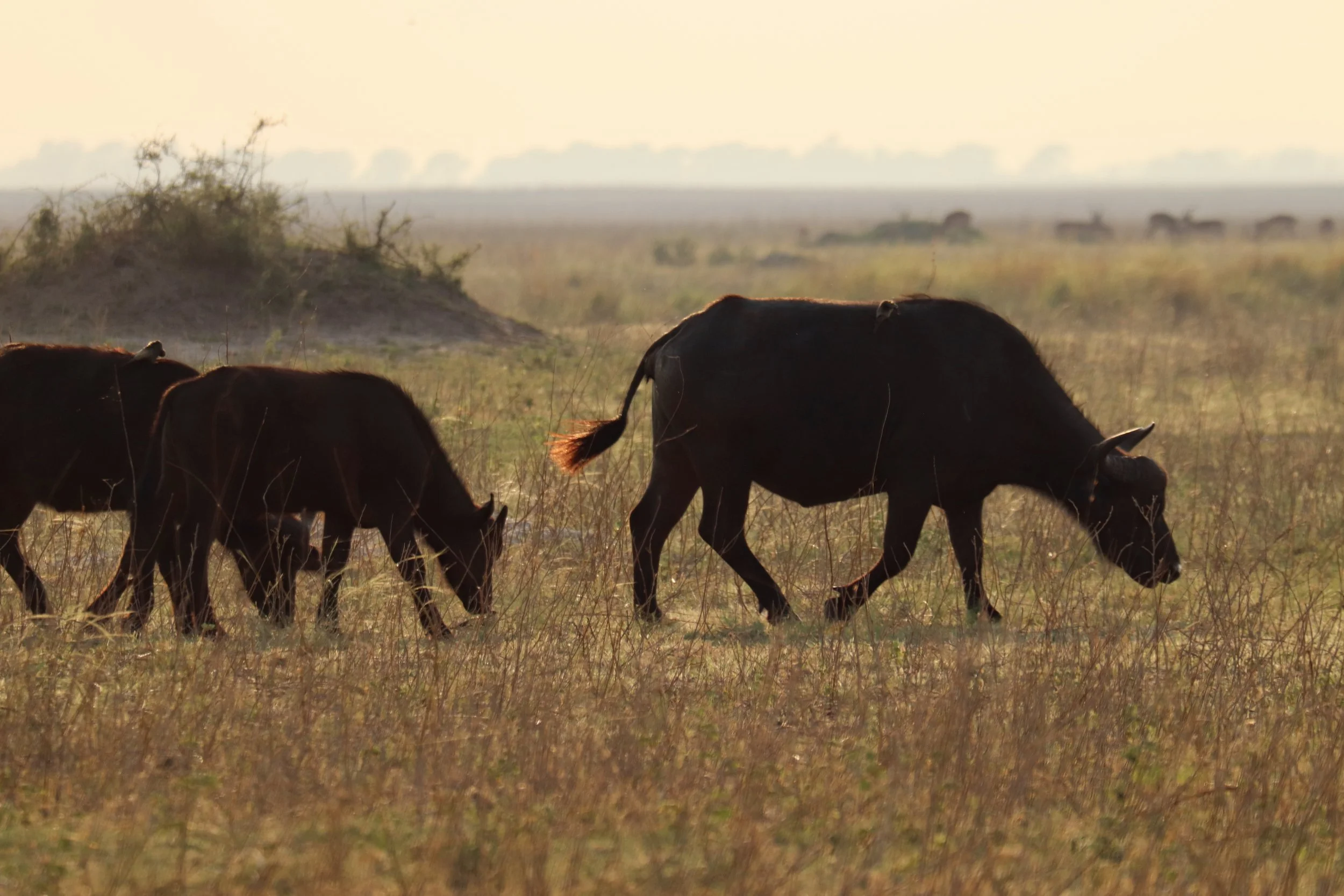
Let's round out the big 5 a bit. We already talked about the massive herds of elephants, and they don't have rhino (they used to, but had a poaching problem, so they relocated the remaining ones to another park). But they also have a lot of cape buffalo.
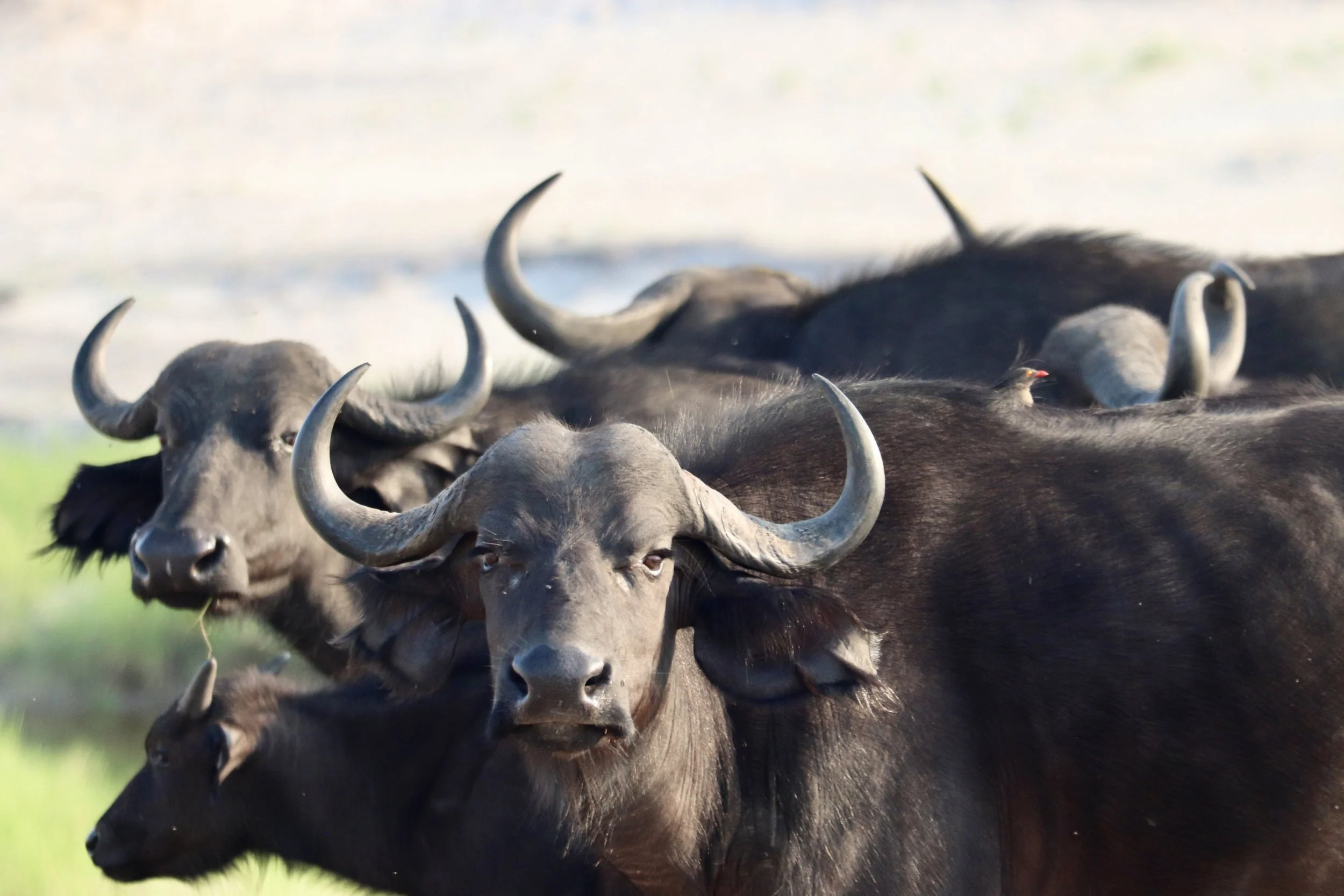
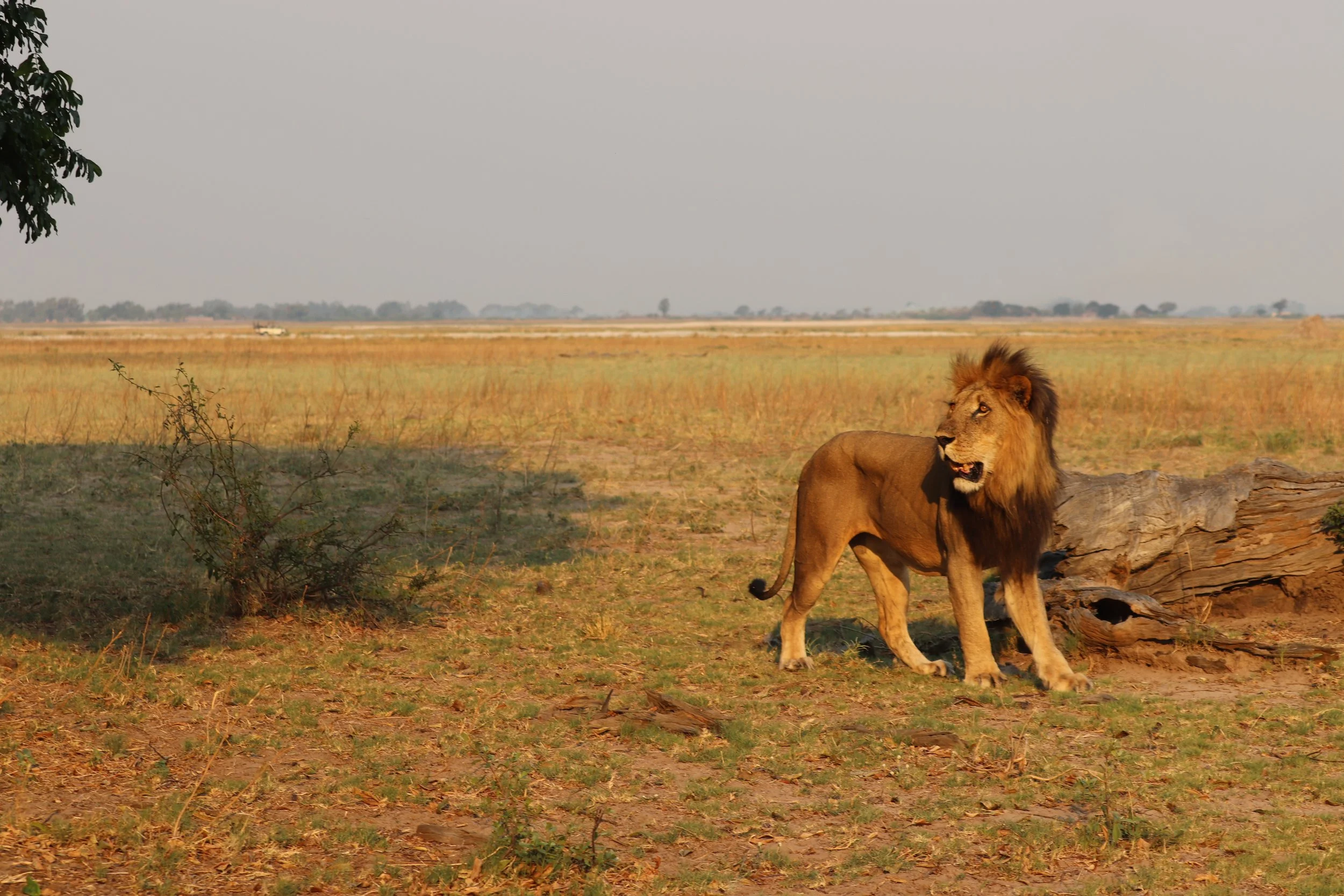
And of course, lions.
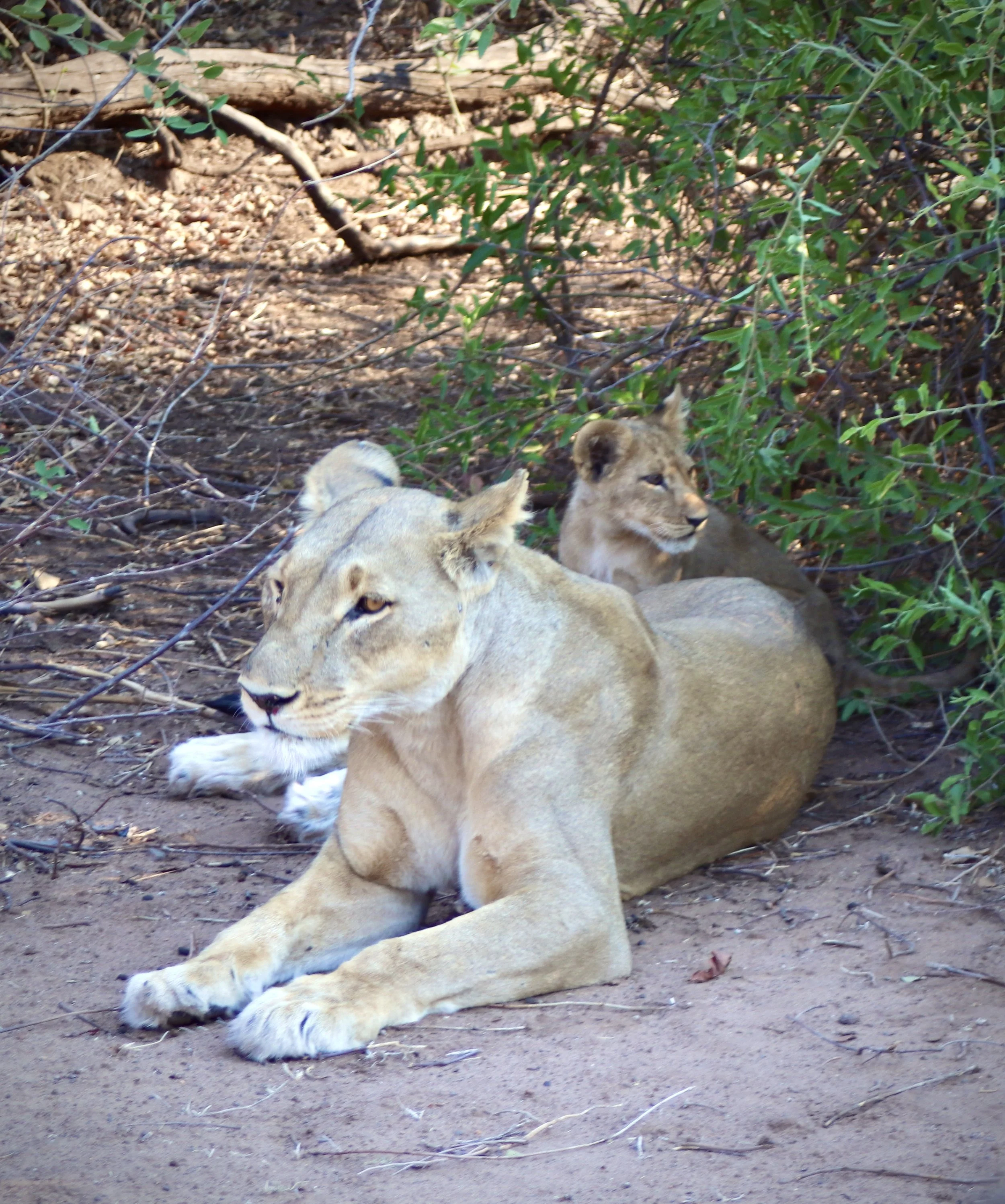
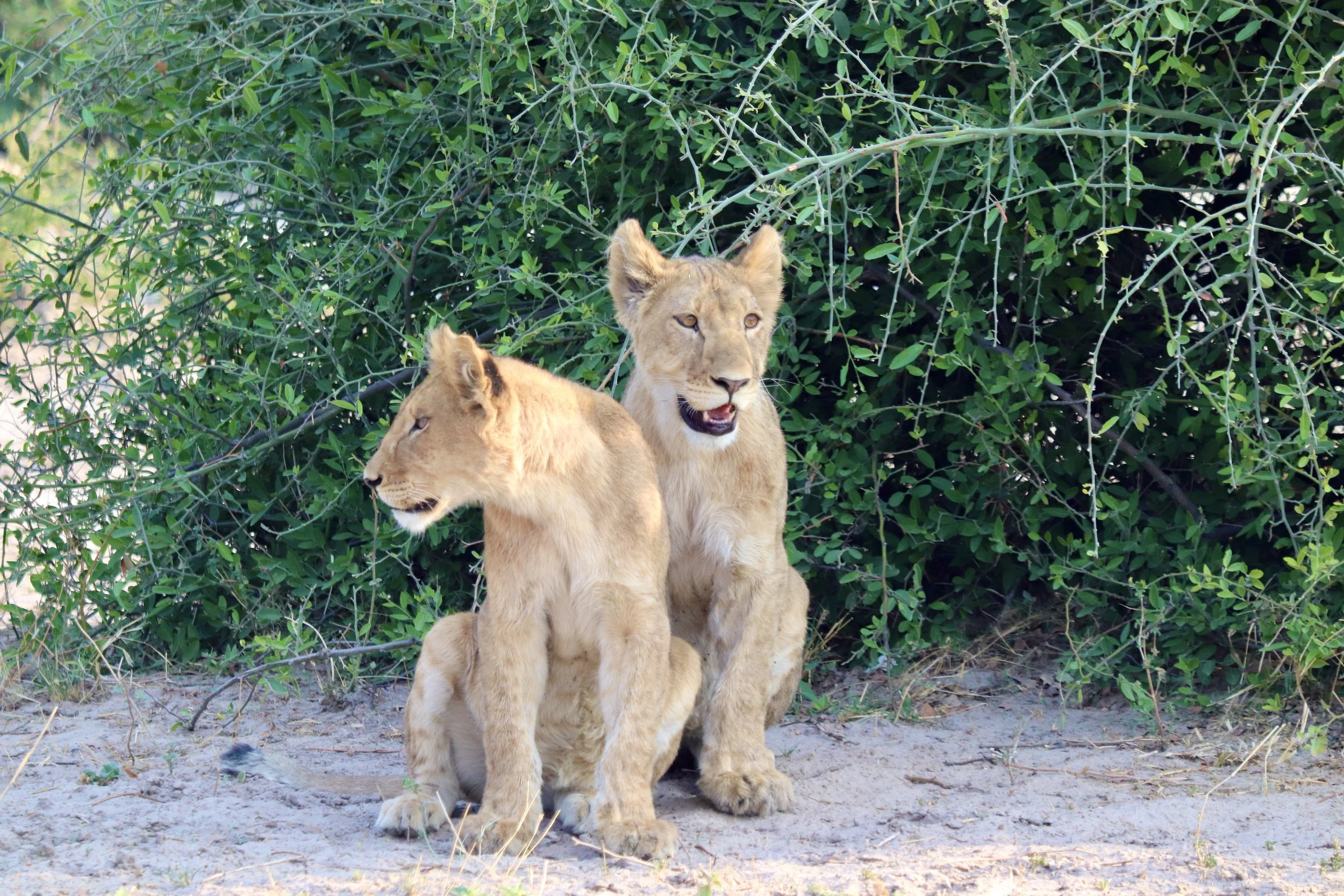
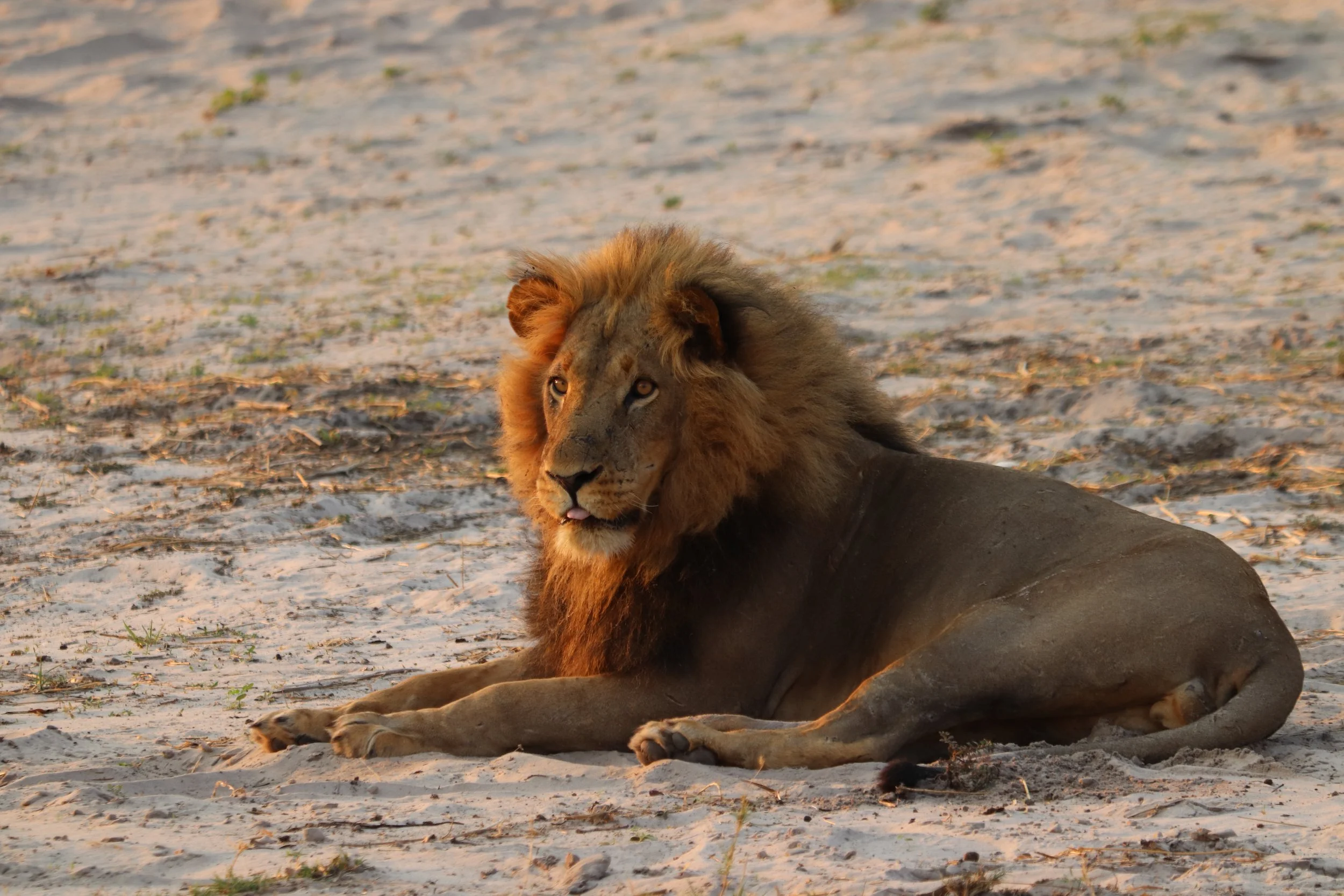
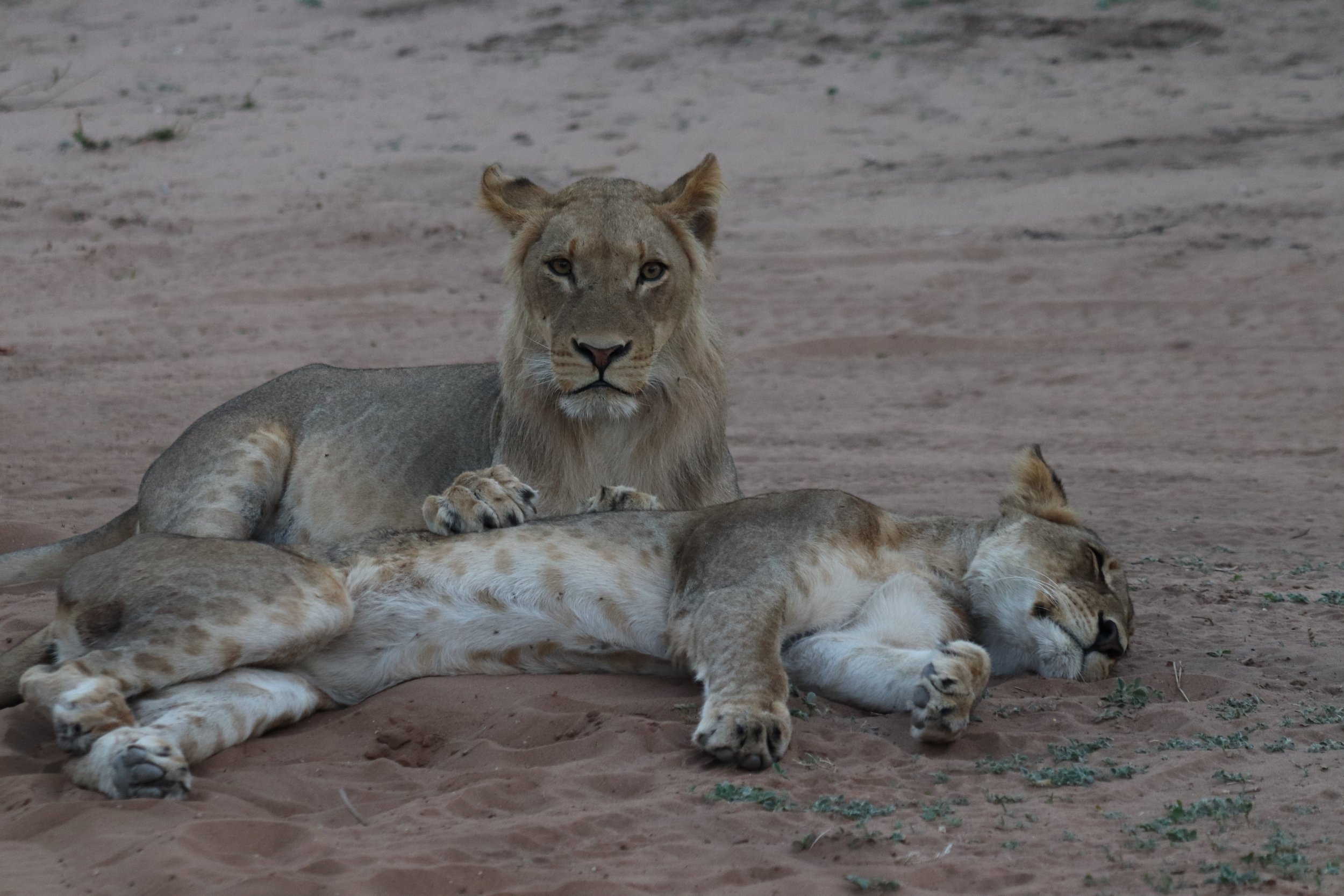
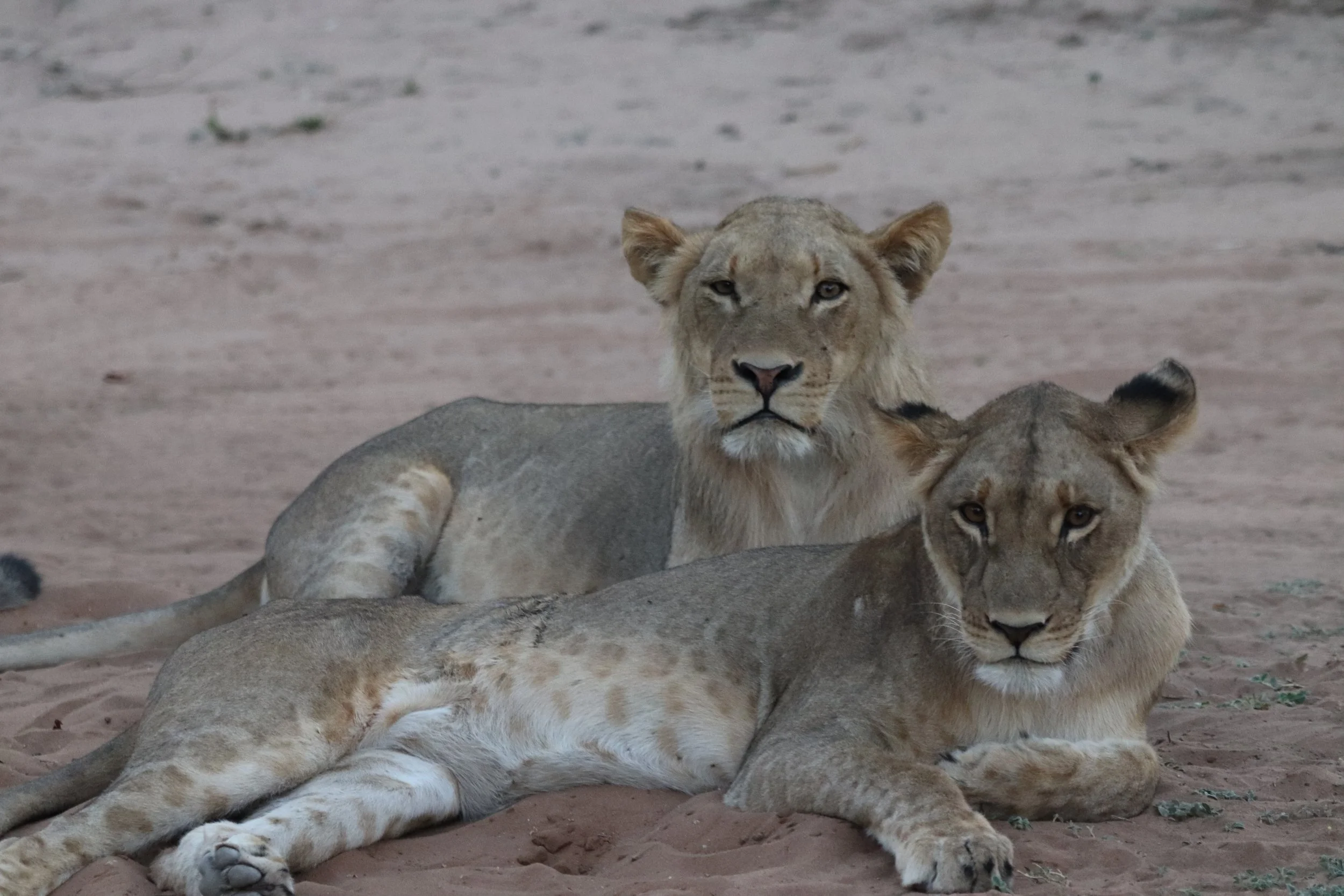
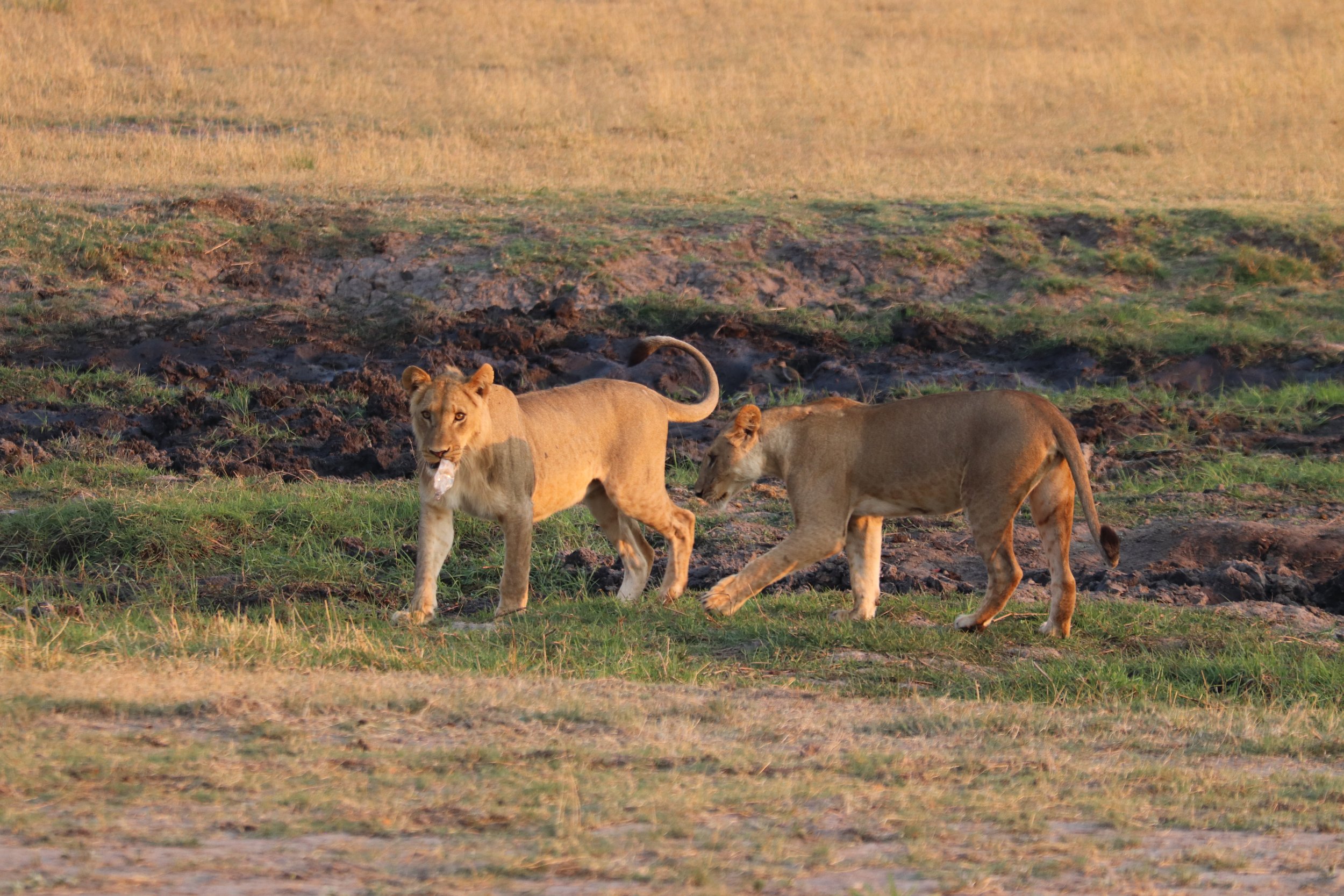
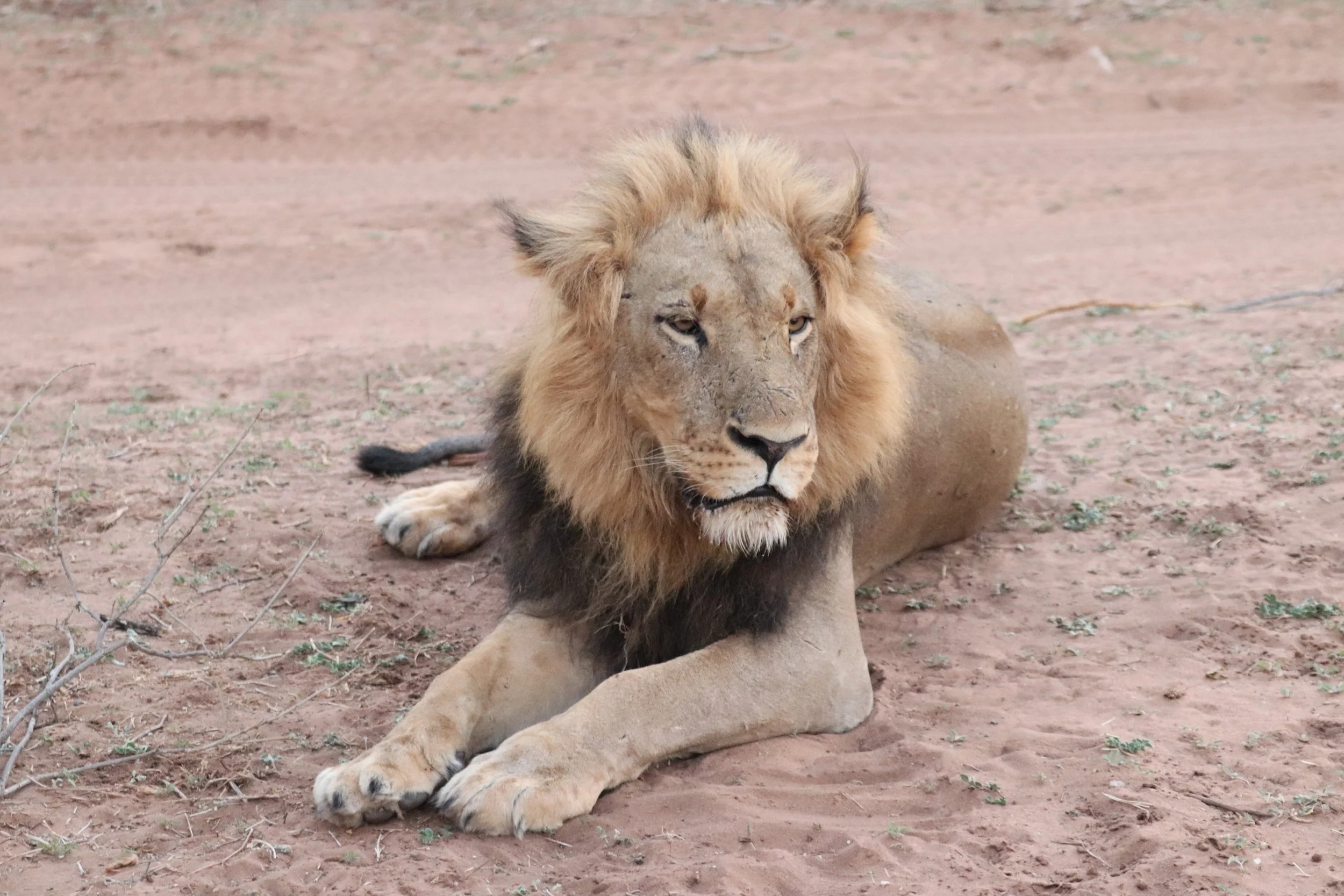
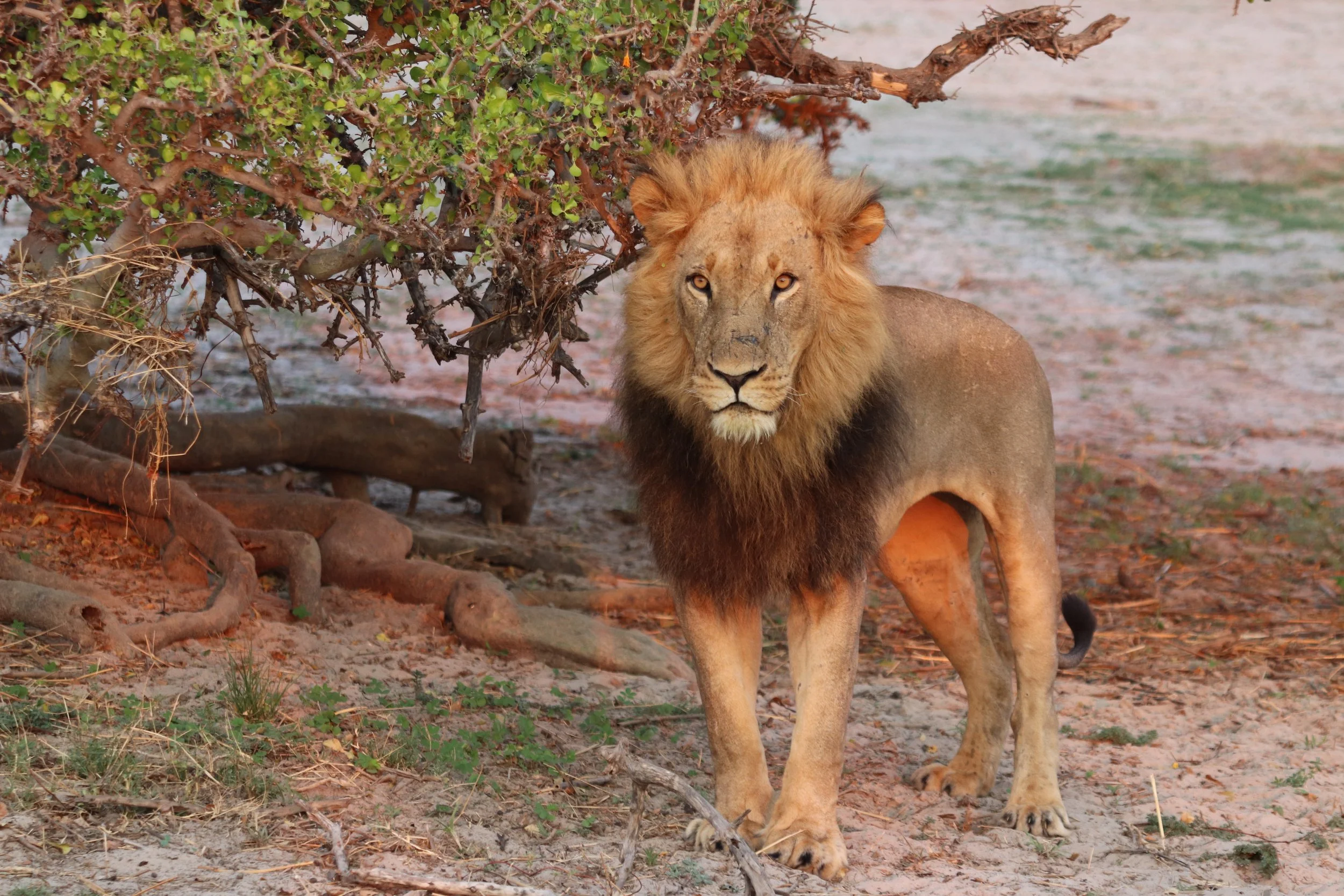
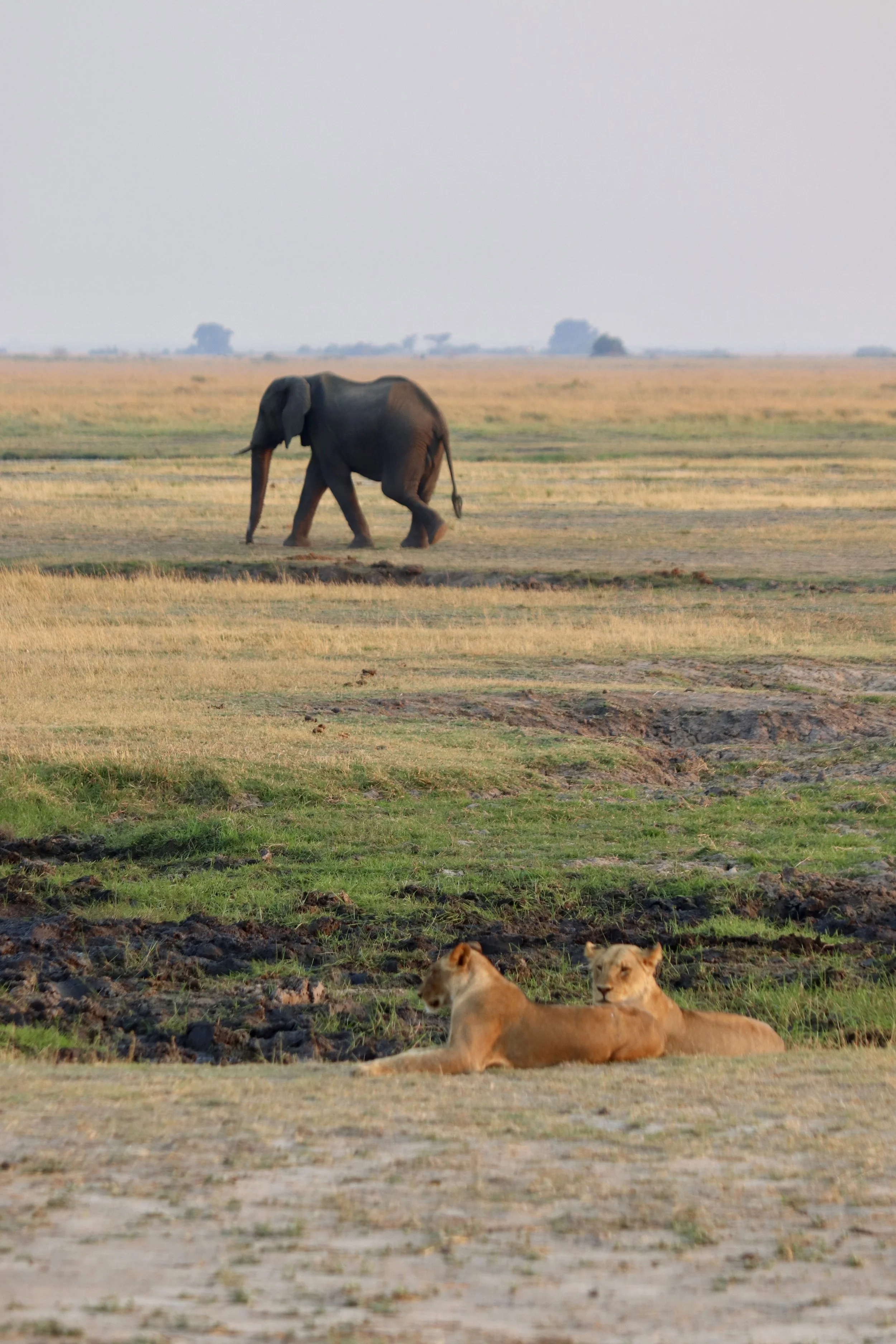
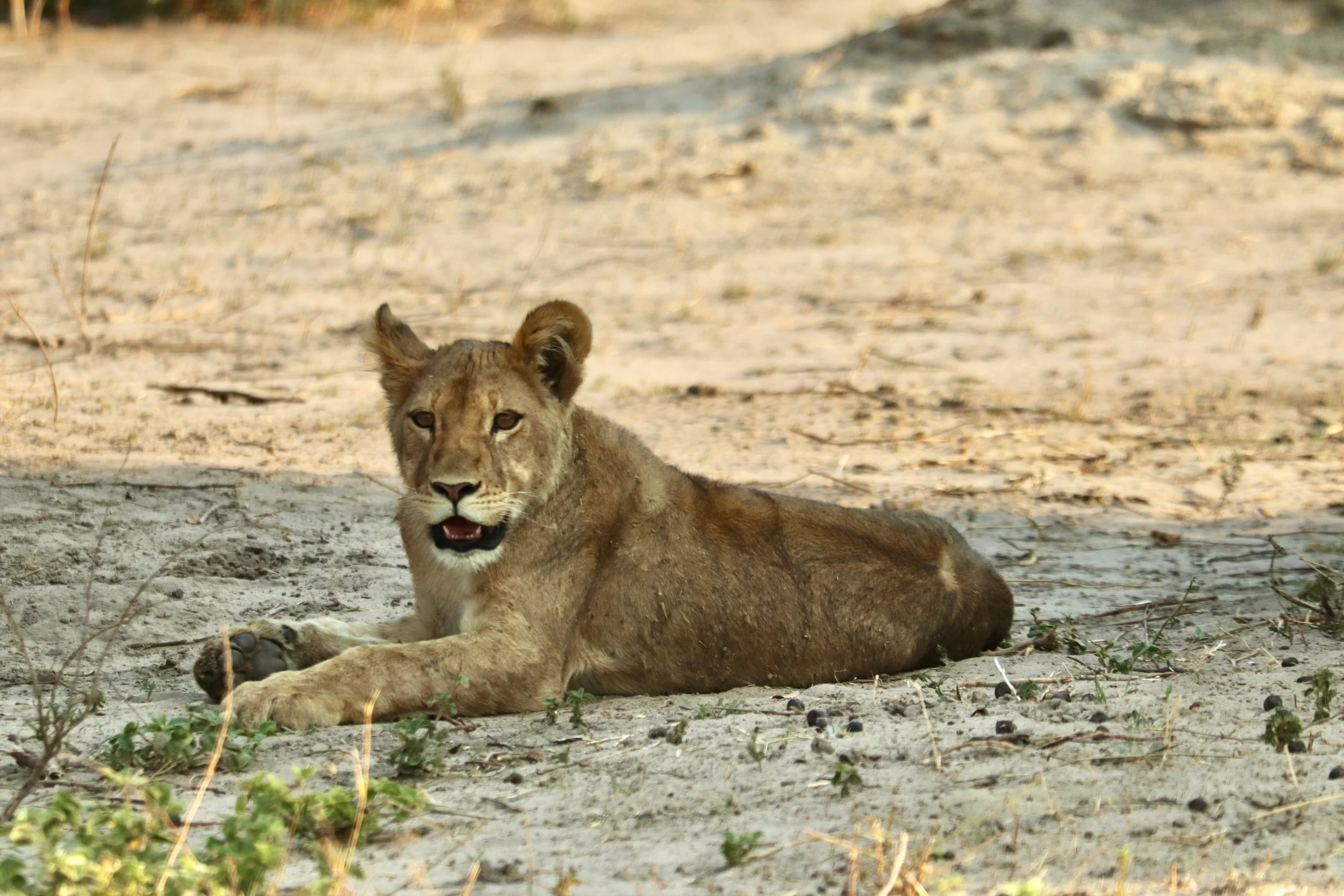
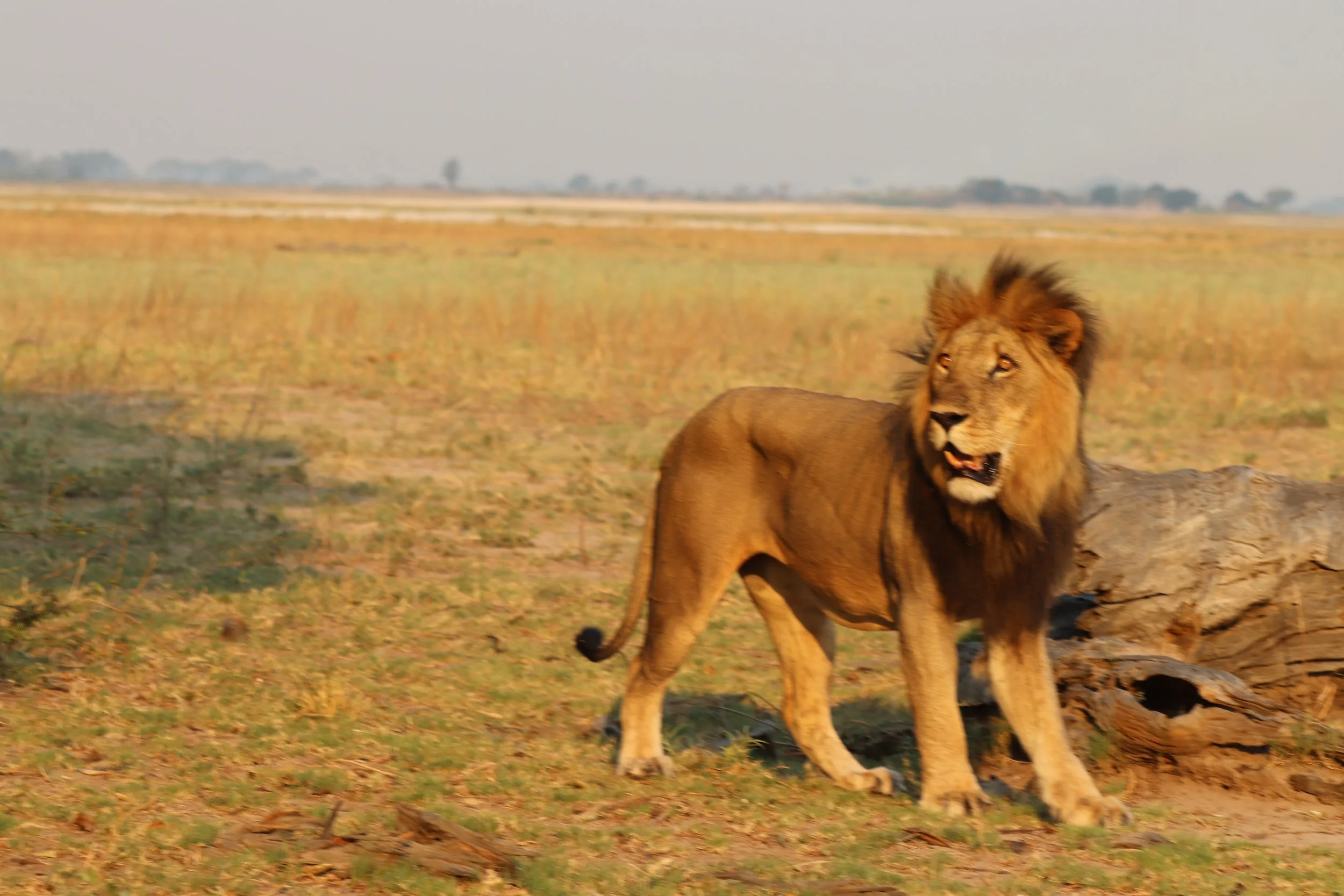
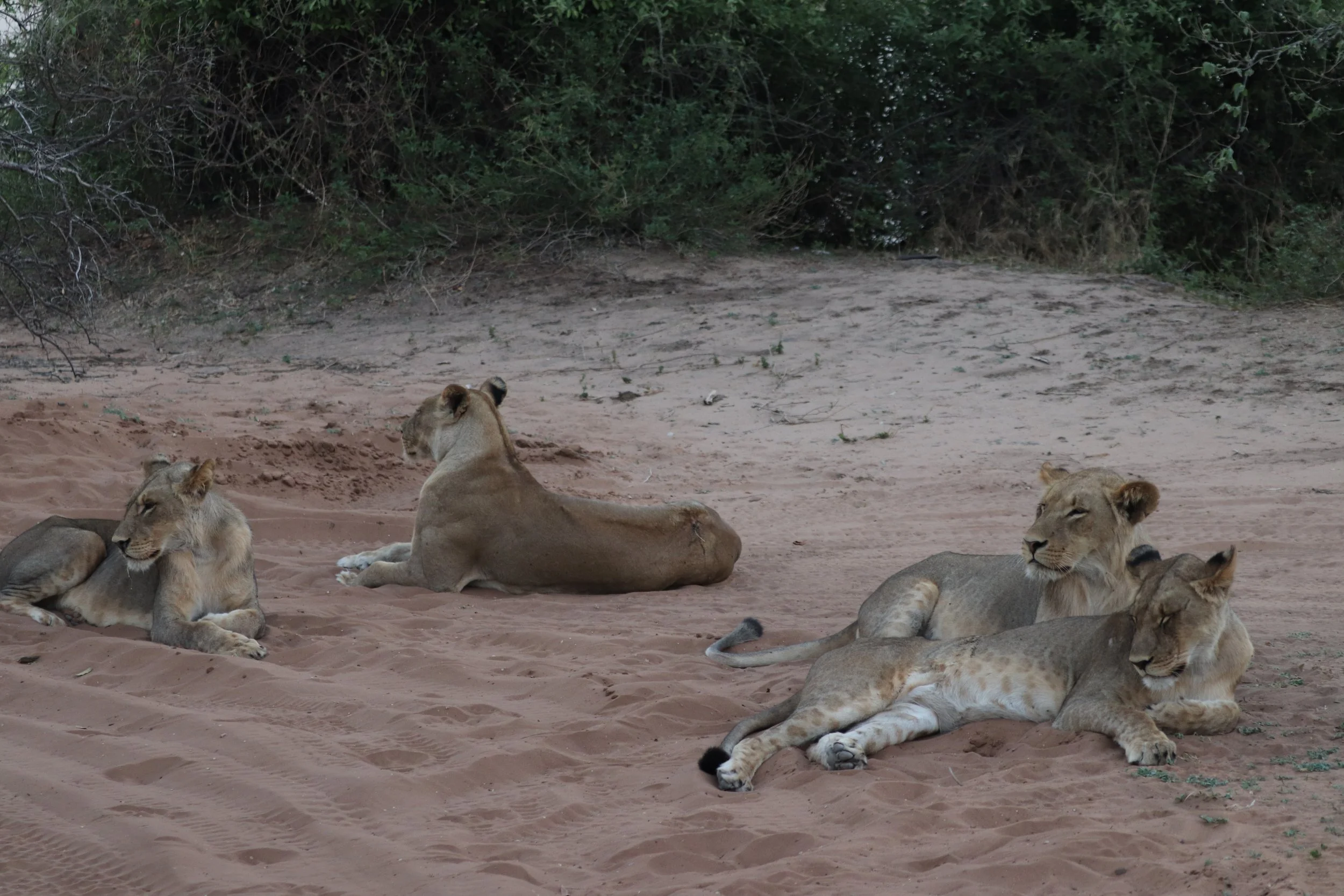
So, what happens when you have predators and prey together?
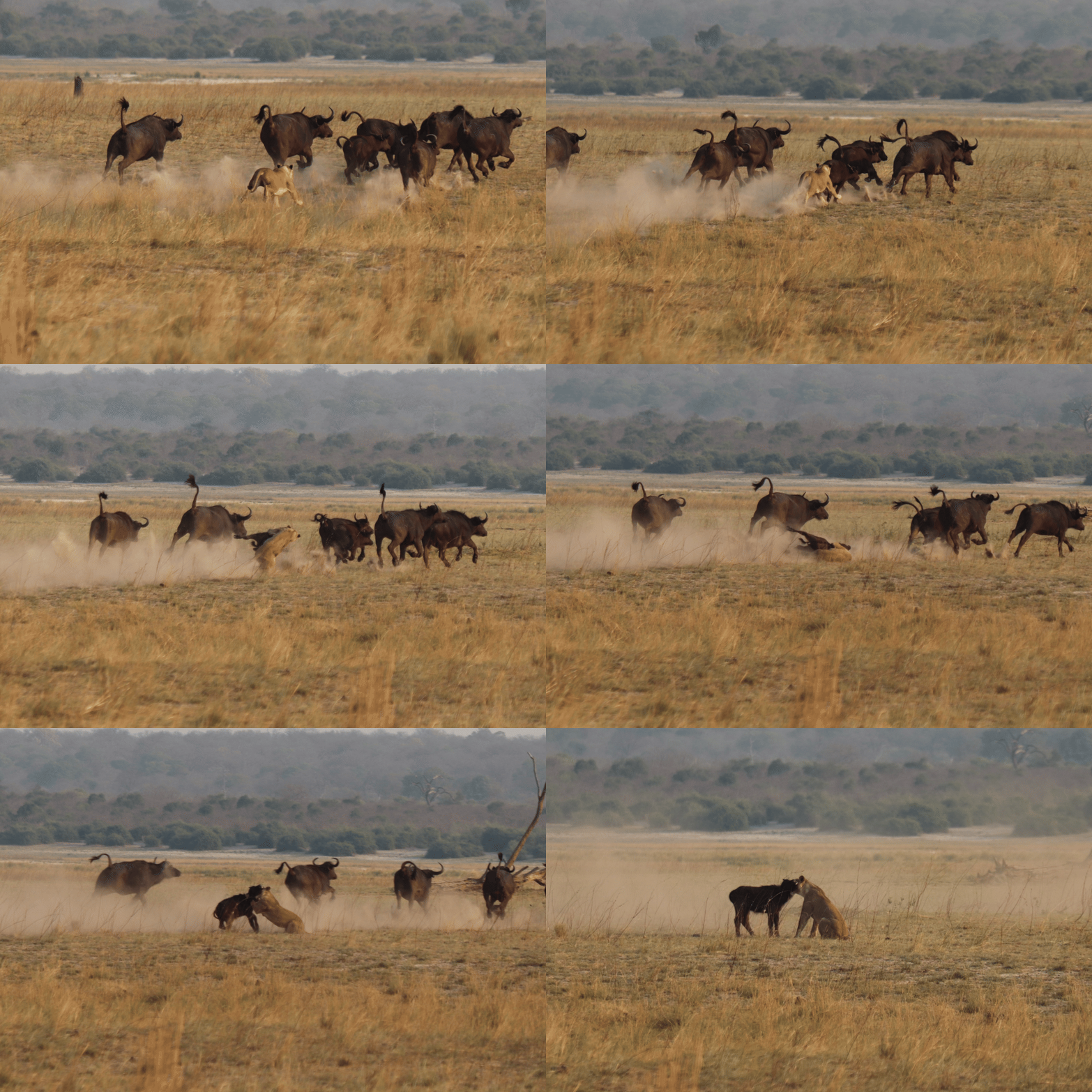
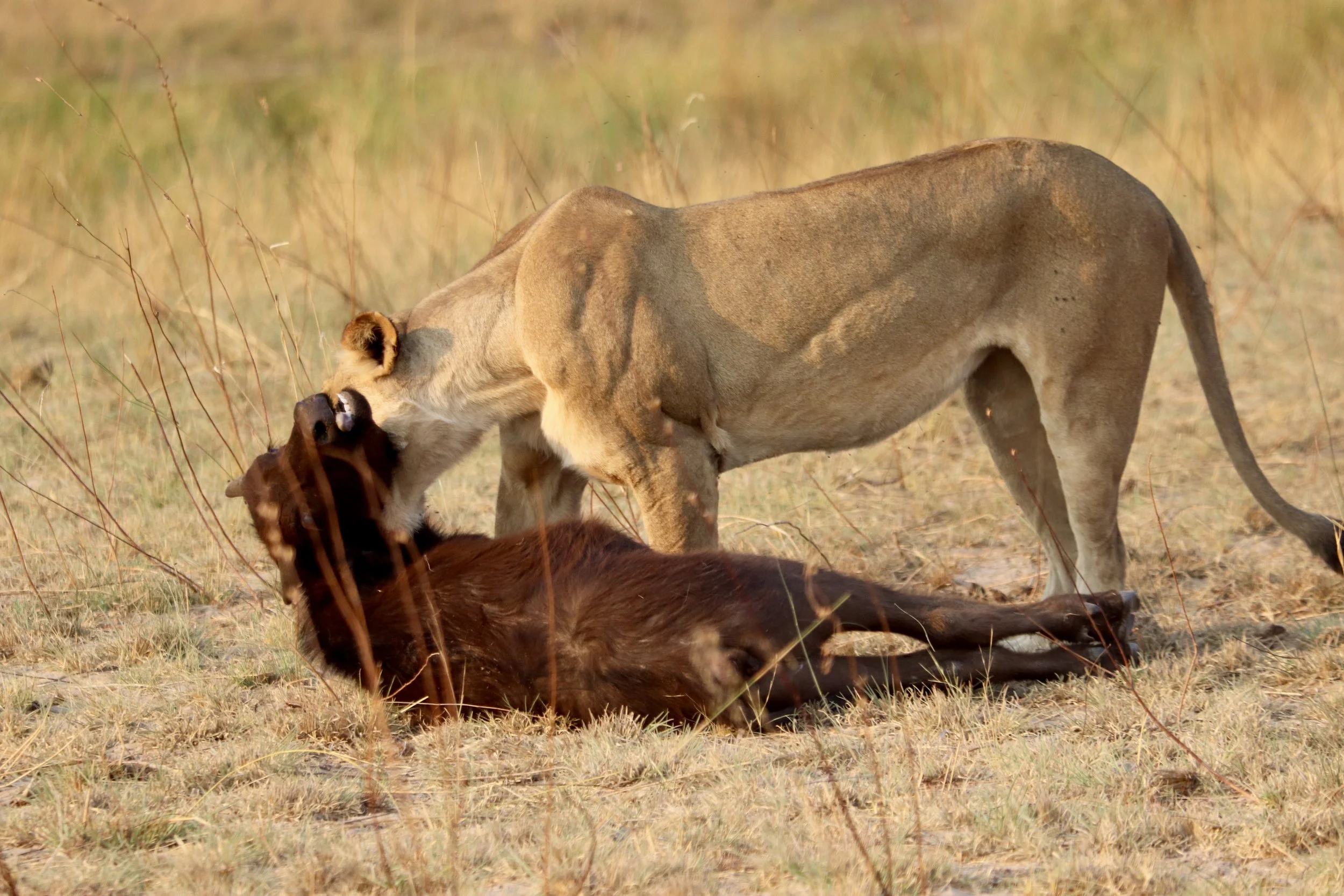
While a little depressing to see a calf get killed, it's just part of the circle of life. And it's impressive to see. First, the lioness stalked slowly behind the grazing herd. with the short grass, they eventually noticed here and there was a brief standoff, before the buffalo all took off running. The lion runs faster and targets a smaller, weaker target. Unlike the elephants, the buffalo don't defend their young. We saw the same herd not long after, and they were just grazing further away, no evidence they mourned the loss.
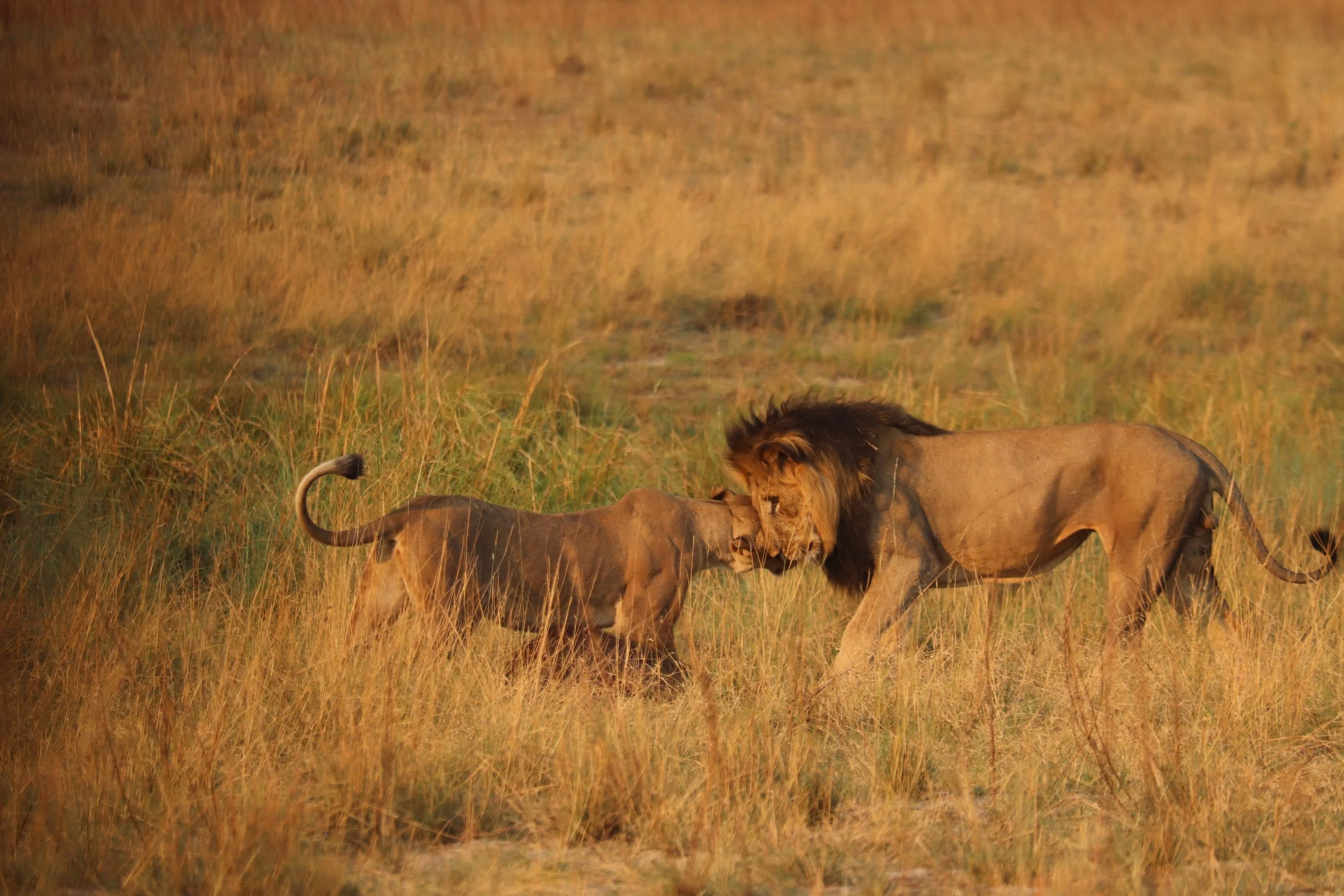
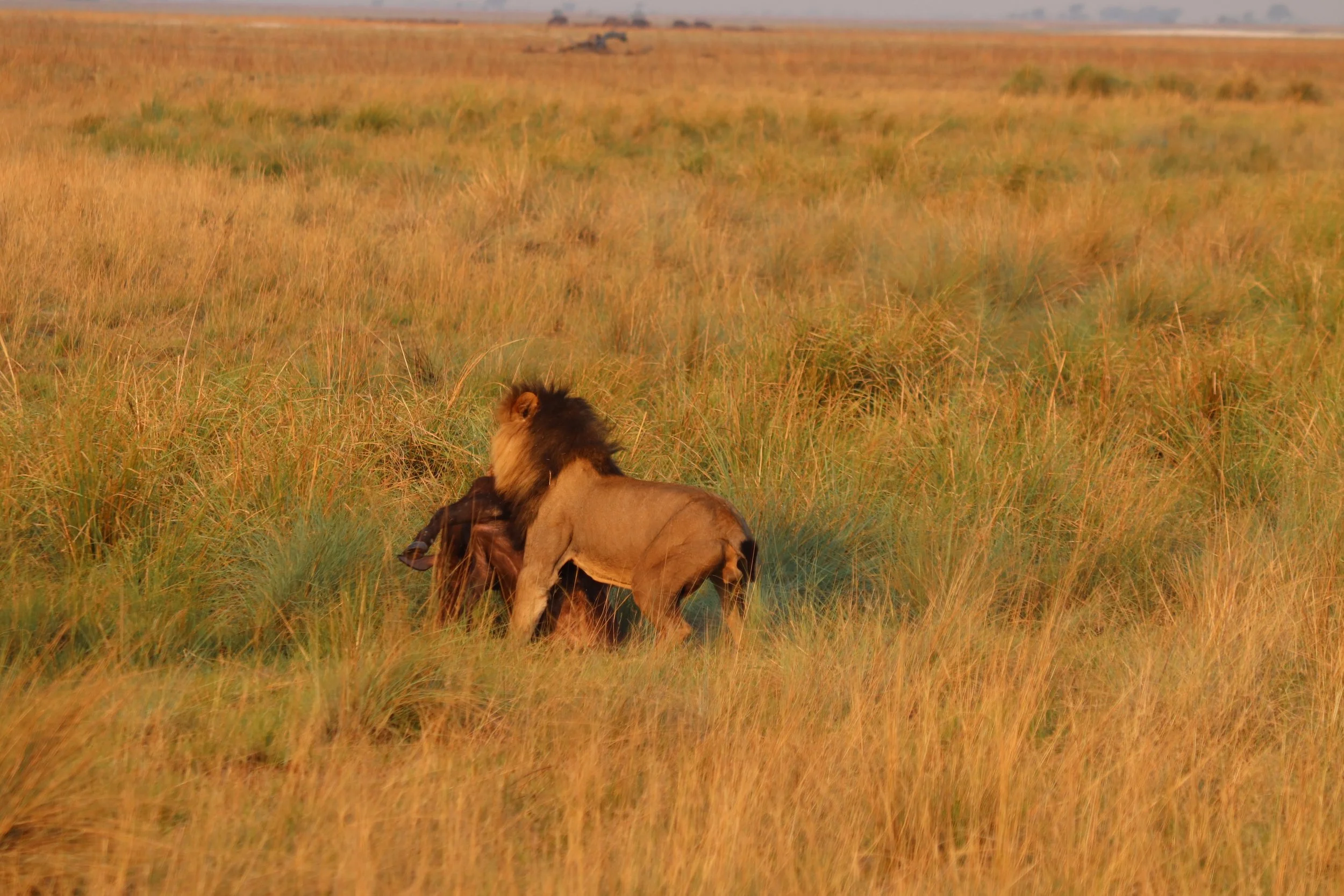
The male lion hid nearby during the hunt and only showed up aftewards to claim the prize and take the first bites. Apparently, this is normal, but it just looks so lazy.
Finally, the last of the big 5 we should mention is leopards. On one drive, there was chatter about one on the radio, and Wanga hustled us there quickly. Sitting in the back of the jeep, we were bounced around so hard that we left our seats a couple times. It was wilder than some roller coasters we've been on. When we got there, there were probably a dozen trucks jockeying for position, with the lone leopard sneaking between the bushes. Nick got one decent photo the whole time:
And one of the trucks broke the park rules and off-roaded to get closer, which was frustrating. It probably contributed to why the leopard left so quickly. However, we had one more sighting, and it was the cherry on top of a successful safari trip. Just at dusk, as we were heading back on the last game drive, we stumbled across one on the side of the path, relaxing.
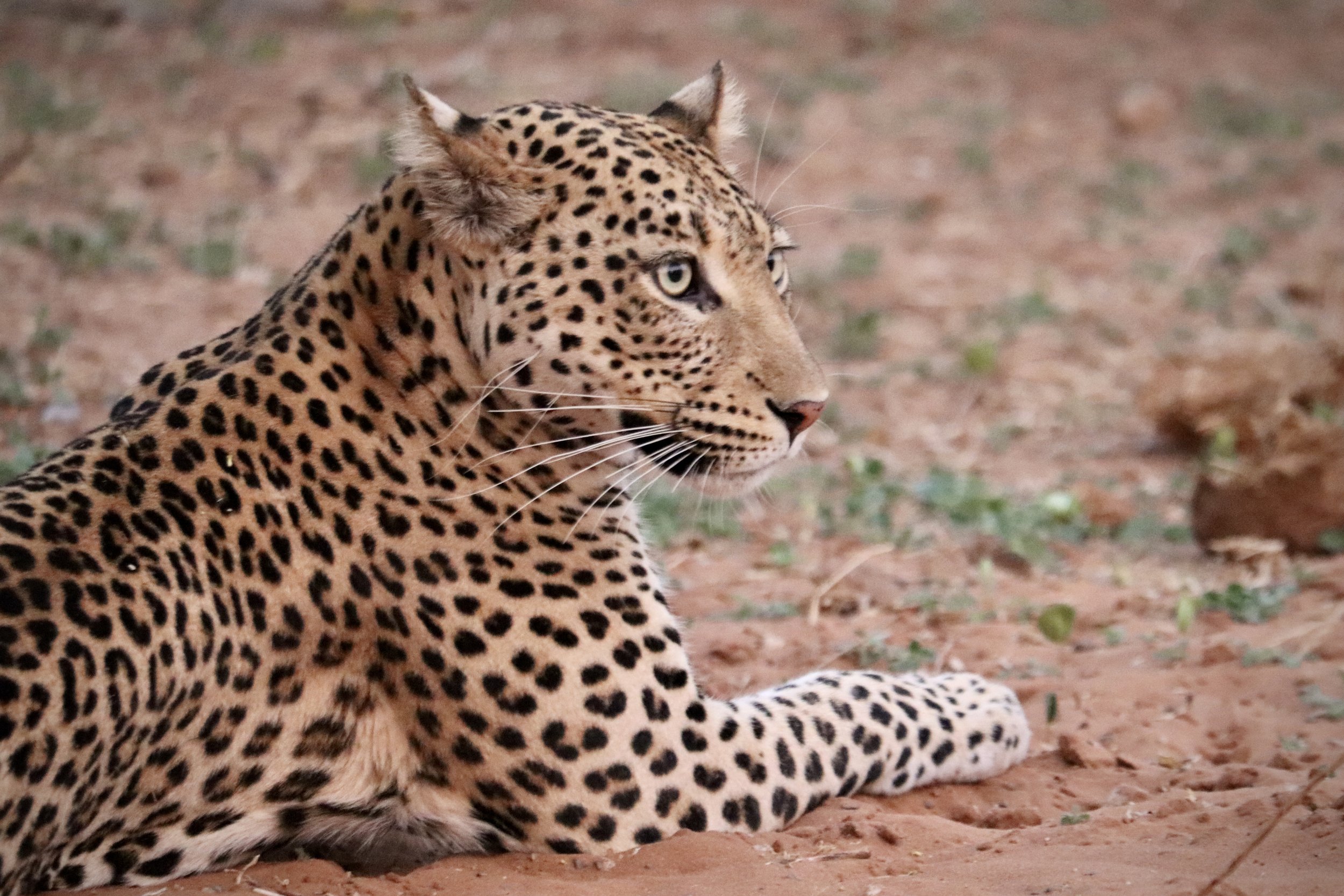
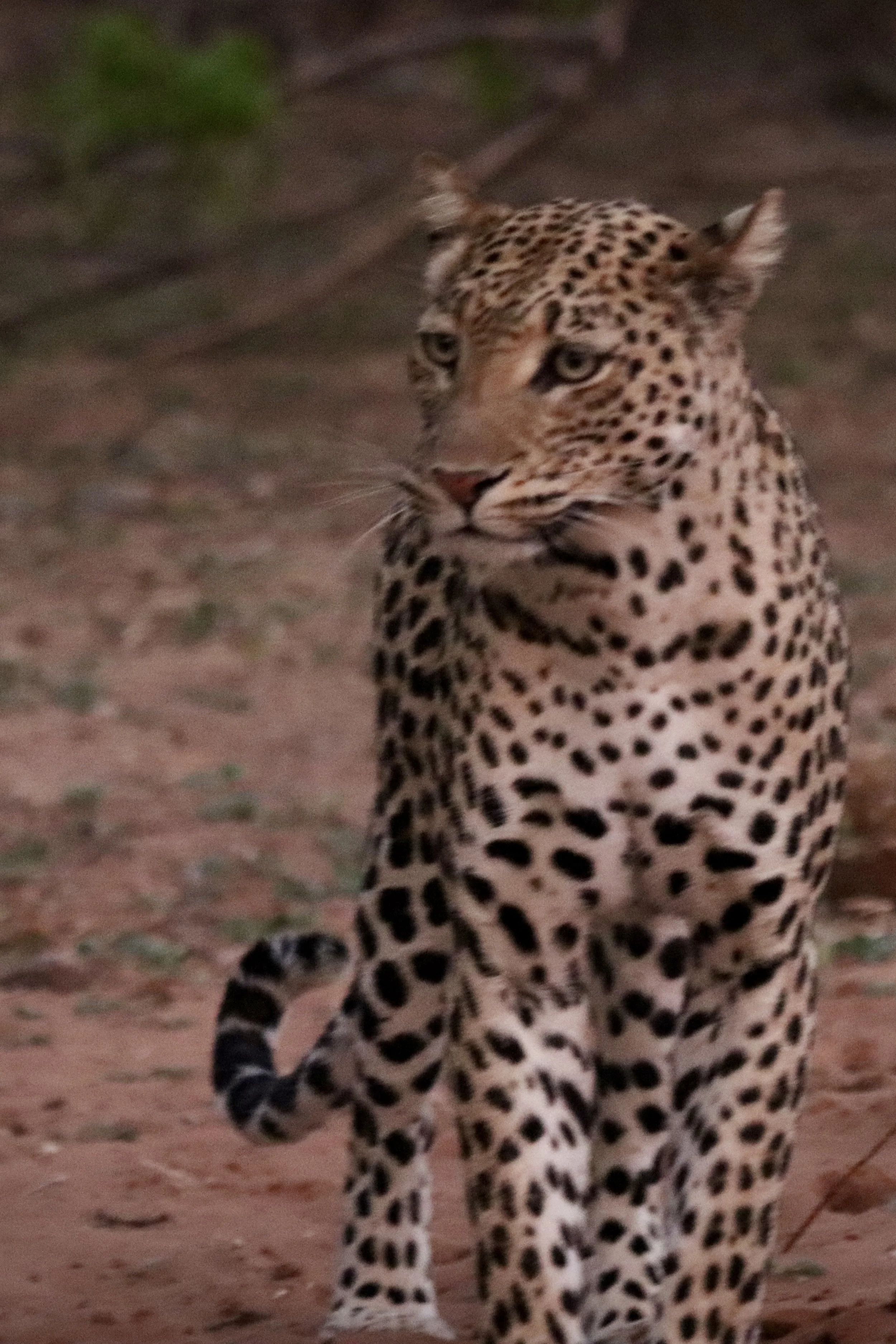
She didn't stay long (and she never really looked at us, which would have made for a better photo), but we were grateful to get so up close and personal with her.
Speaking of personal things, it's hard not to comment on some of the unique dynamics of visiting a safari lodge like this. For the lodge itself, I have nothing but wonderful things to say about everyone there. Thandi was our server at almost every meal (from 5am coffee to dinner, so, yeah, the work/life balance there is insane), and she mothered us and truly built a connection over the time we spent there. On our last night there, she surprised us by organizing dinner on our private patio, lit by lanterns, overlooking the pool.
As mentioned above, Wanga was an amazing guide both on the river and on land, and genuinely just a delightful person to talk to. She was so nice, that she was the guide who got stuck with a set of "problem" guests, which unfortunately meant we had a game drive with them as well. It wasn't really that bad, but there was an older Canadian couple that was just way too chatty. It's kinda disruptive when you're trying to enjoy the view and look for animals, and their previous group and guide had complained to management. Since Wanga only had us that morning, she had the space for them. She also told us they had wandered off the night before (drunk, and loud), and she had to follow them and walk them back to their room. It's not safe to wander lion country at night, even close to the lodge!
Anyway, random drama and gossip aside, we had a very successful final game drive on the safari, and a great few days altogether!
