After the safari, we had to change planes through somewhere, and since we'd never been, we decided to spend a couple days in Cape Town to see what it's like. We've heard great things, and I can definitely see why people love it there. At the same time, it's a smaller city. It also has one of the highest crime rates in the world, heavily concentrated in the townships, not in the touristy parts of the city, to be fair.
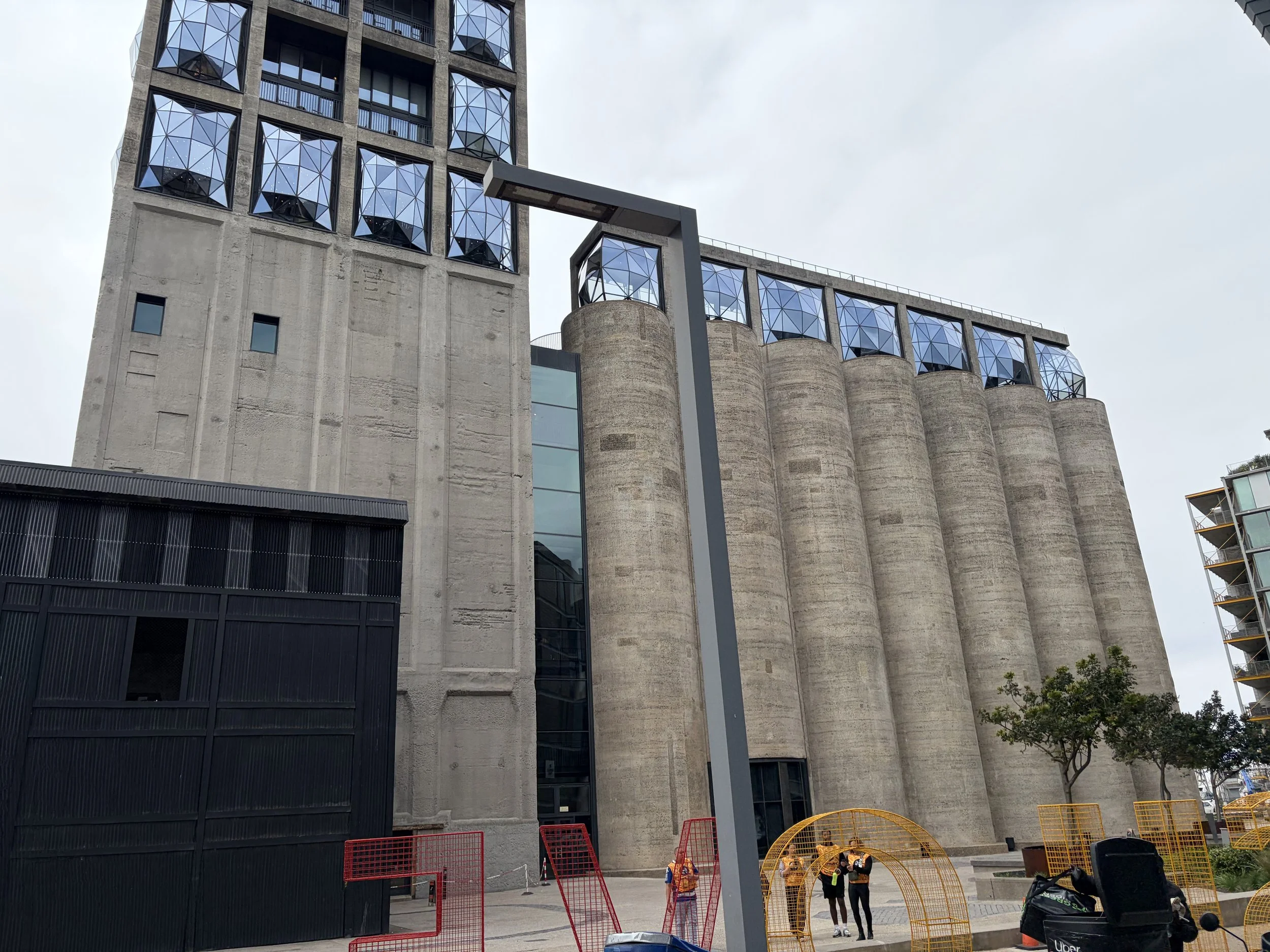
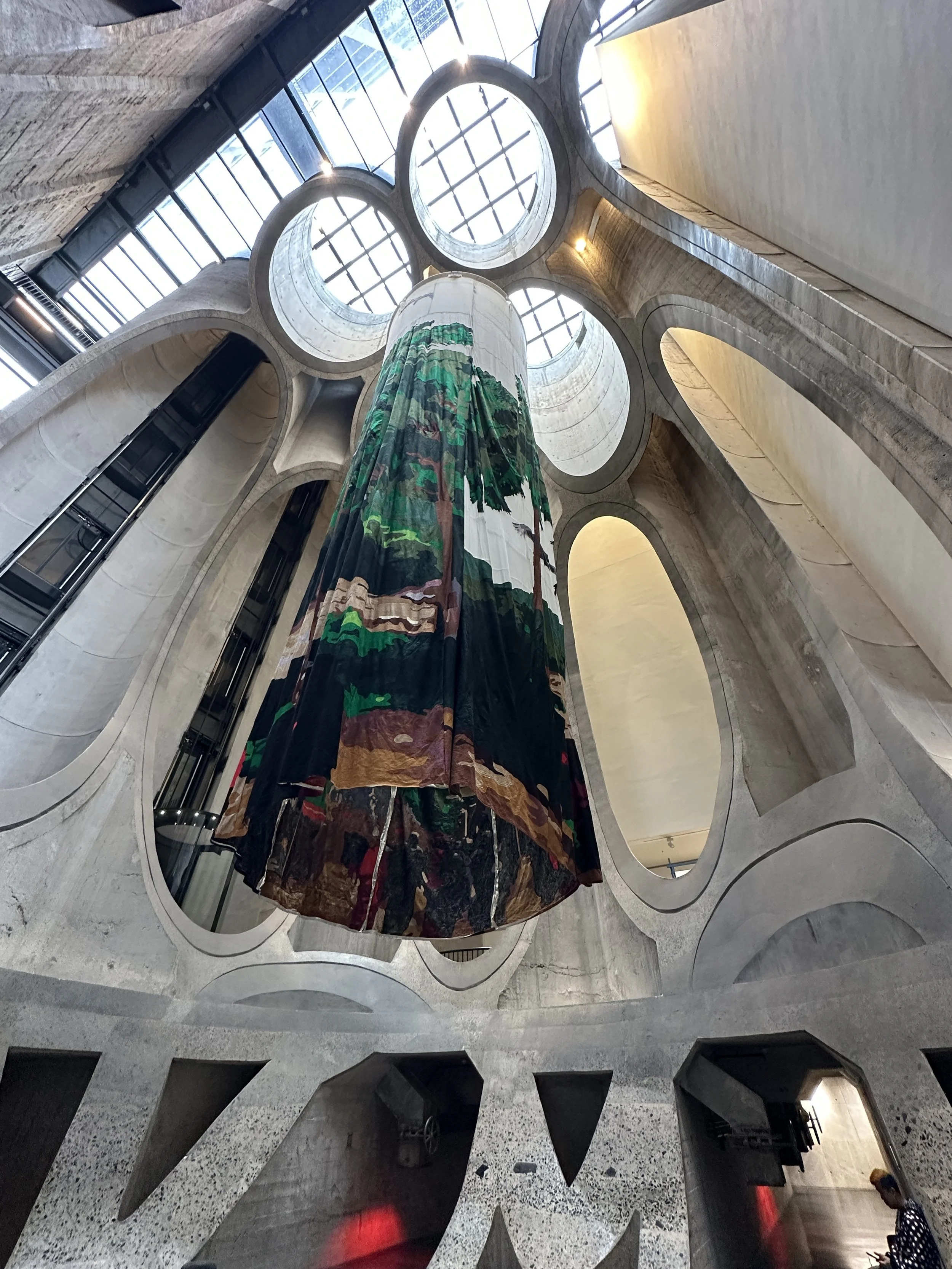
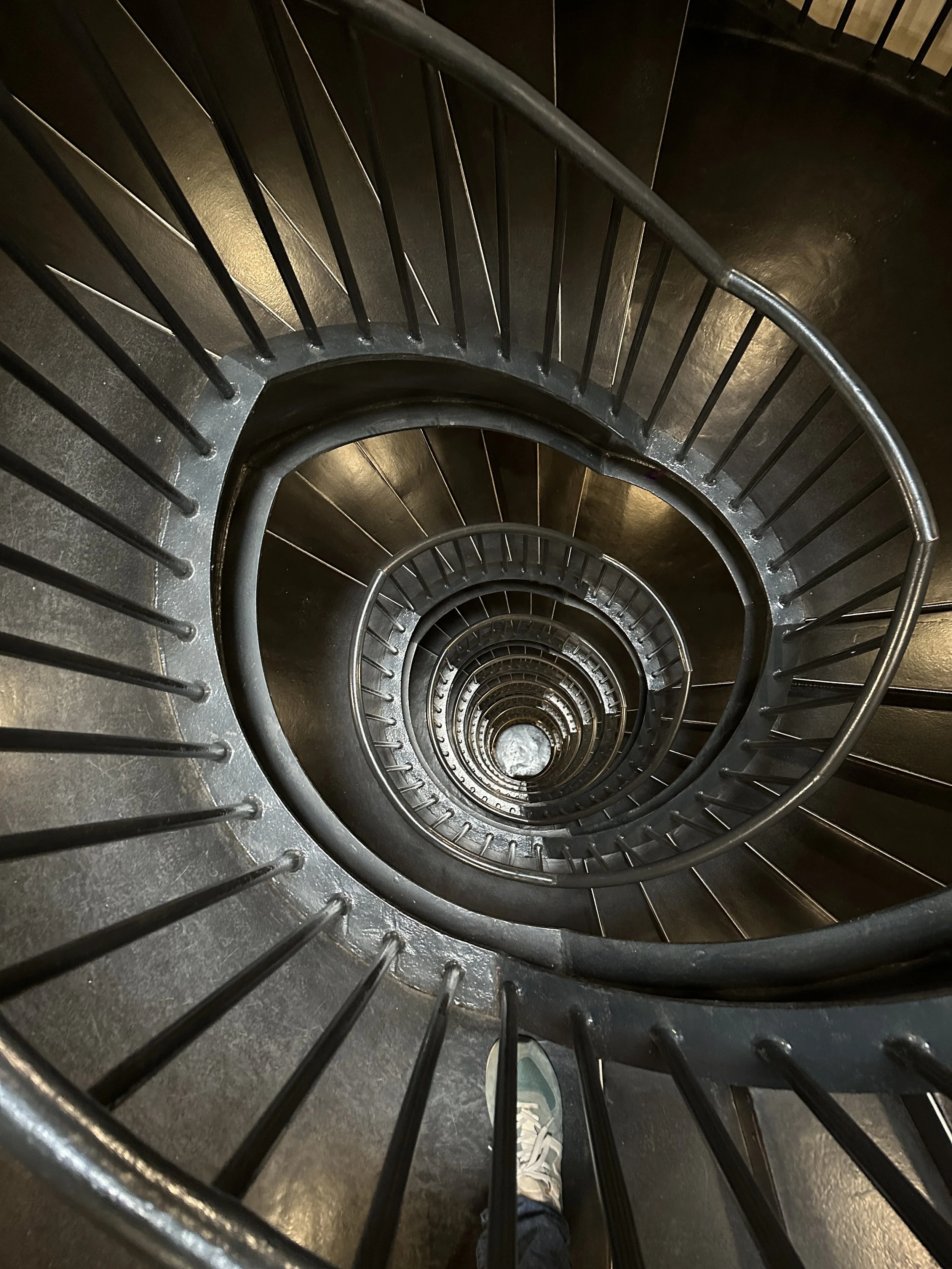
One of the first things we did the afternoon we arrived is visit the Zeitz Museum of Contemporary Art Africa near the V&A Waterfront. It’s built in an old grain silo building, and the architecture and views of Table mountain are already worth visiting. The art is also just amazing, highly recommended! Also, like all contemporary art museums, there was a sculpture of hair.
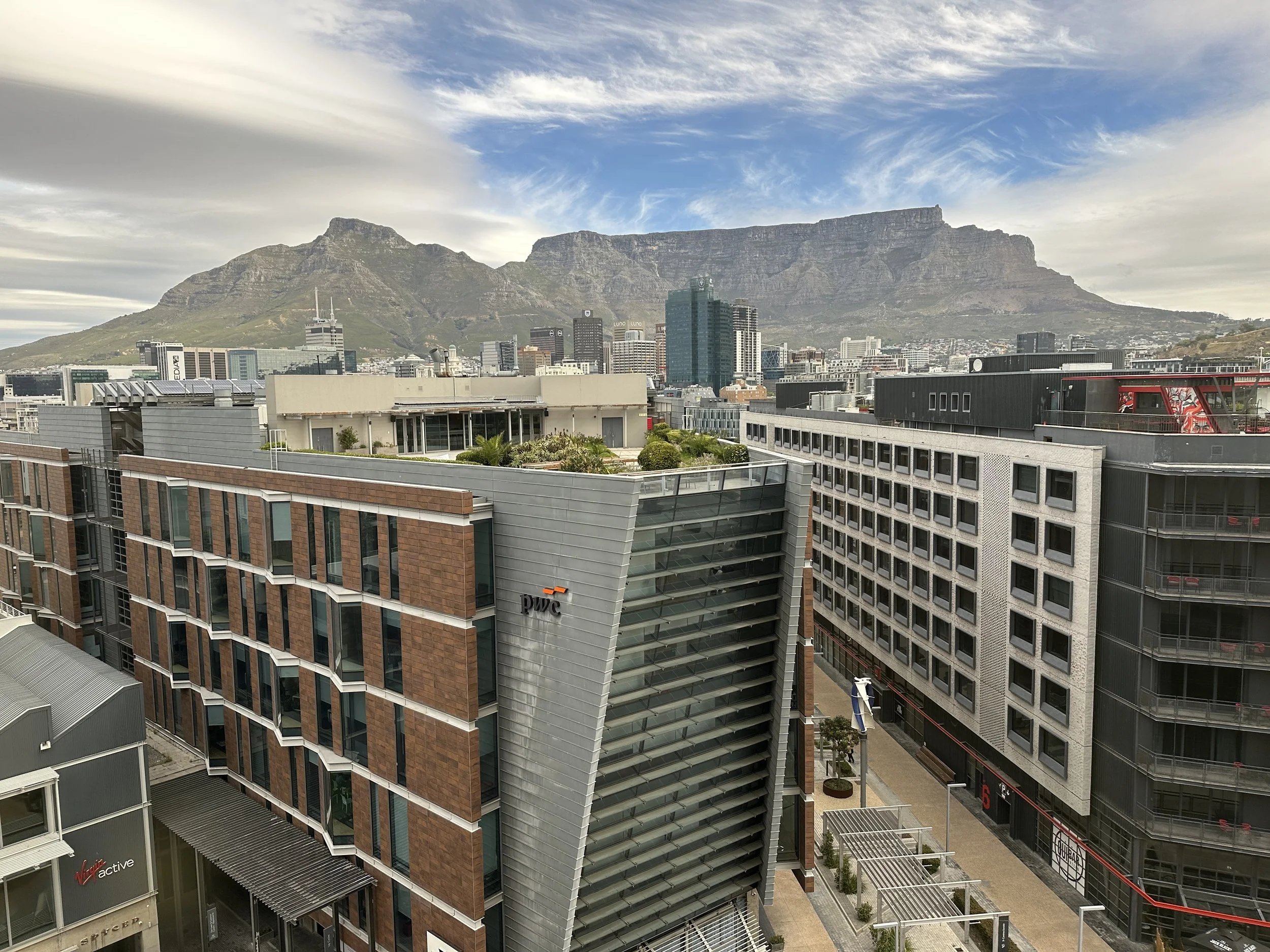
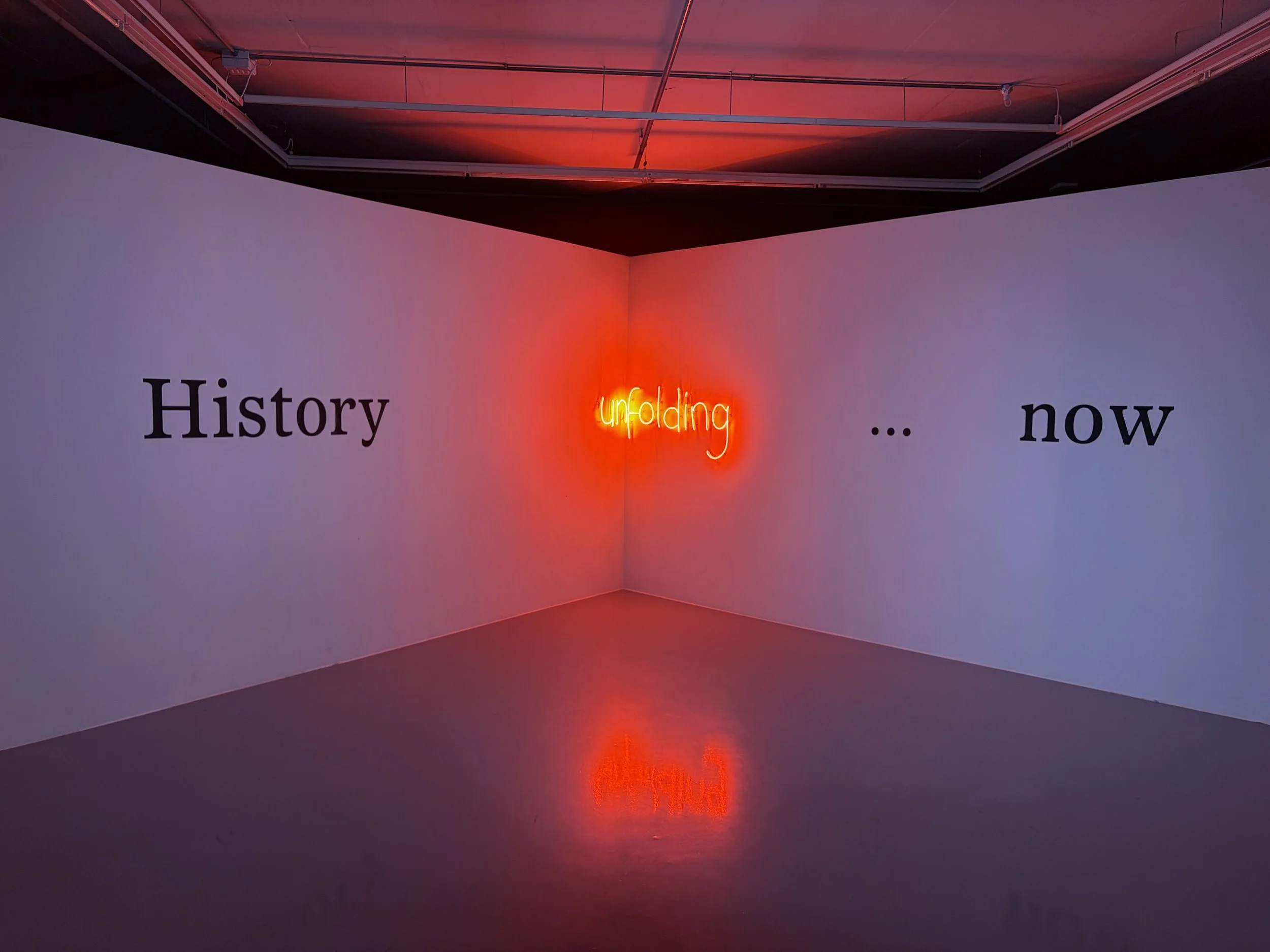
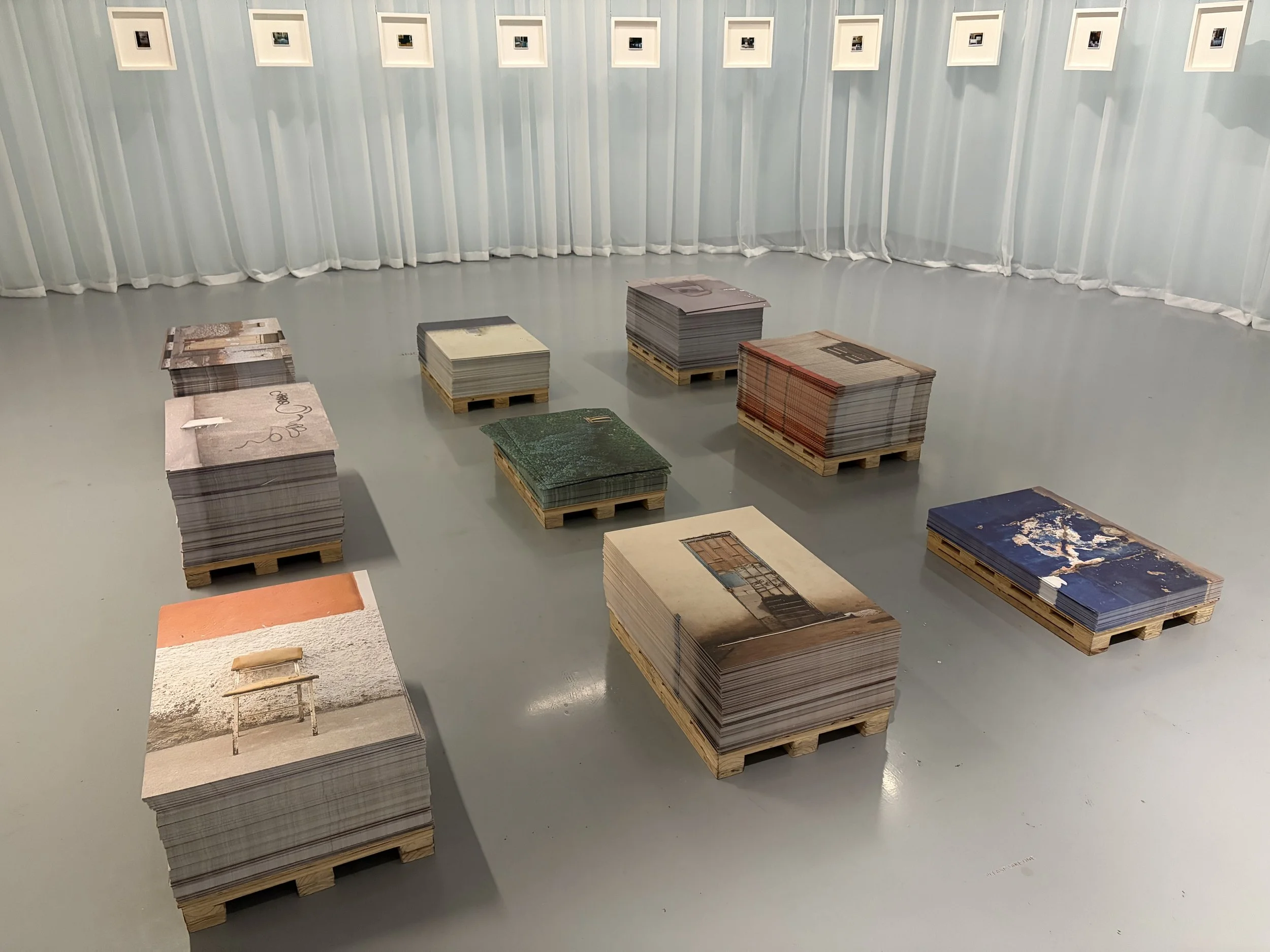
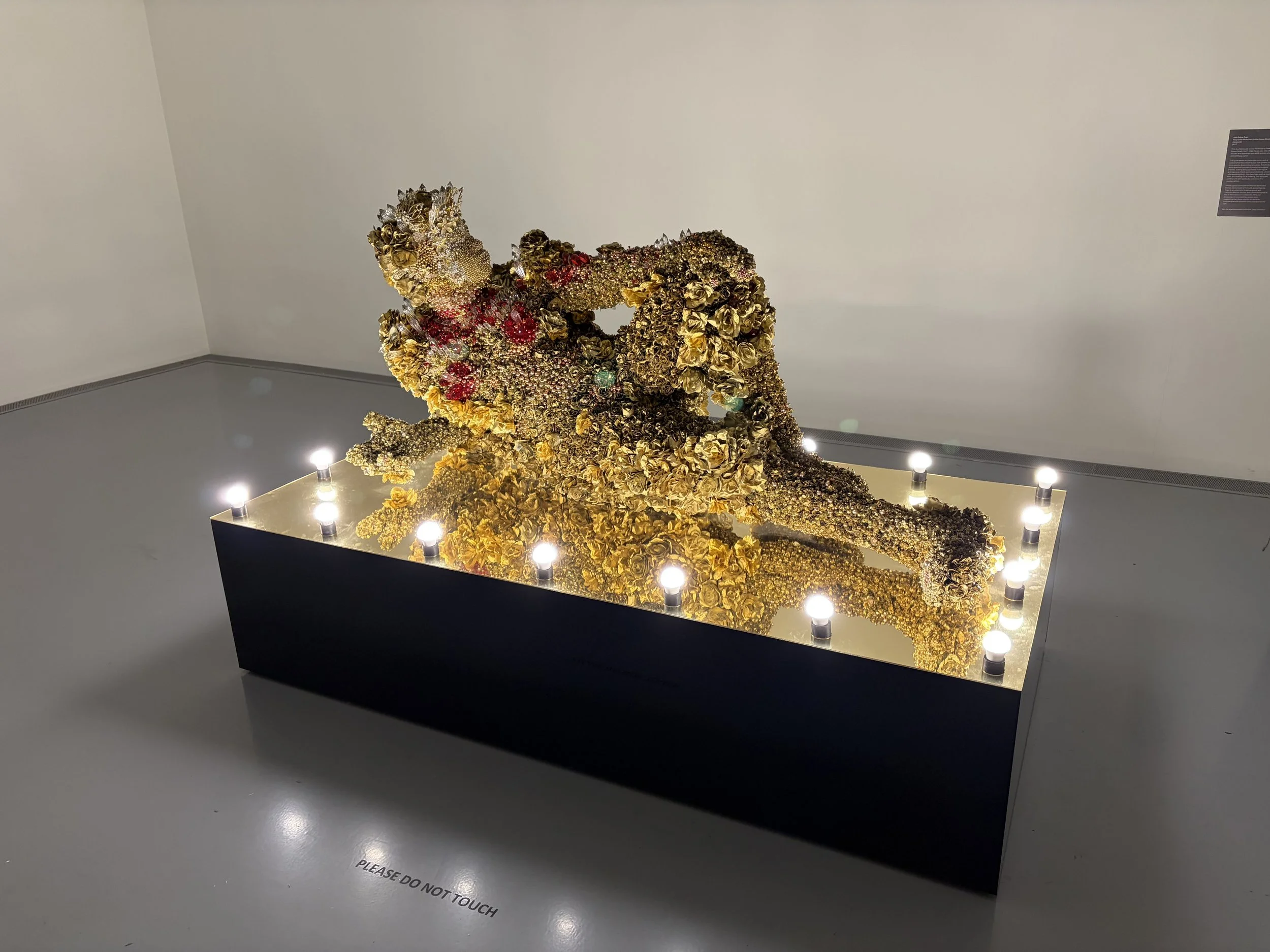
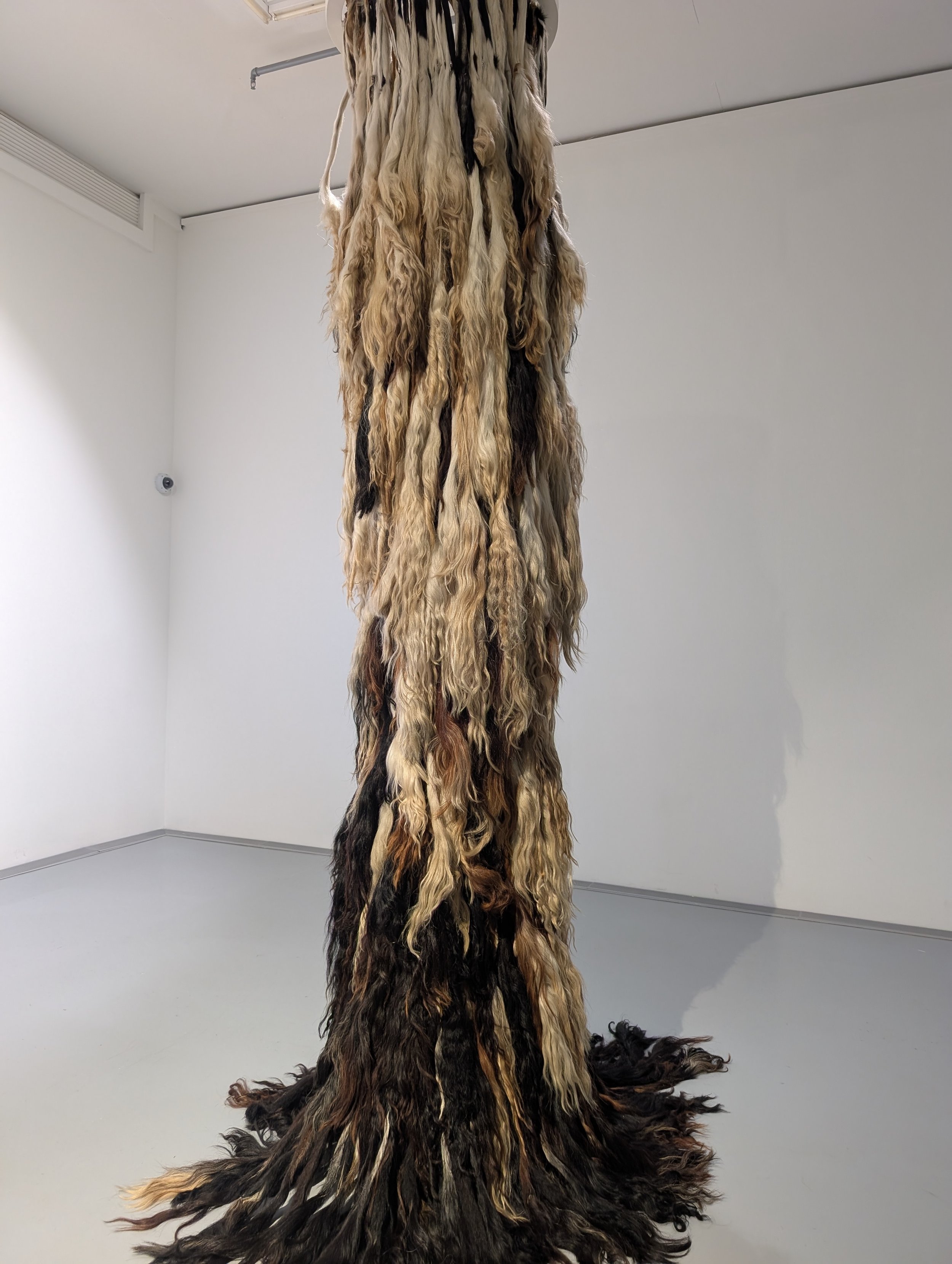
The V&A waterfront is by far the most touristy part of the city, located near the cruise terminal and relatively close to our hotel. It has a lot of nice shopping options, including a fairly generic mall, but also some cute shops by the water. Our favorite part, however, was the Watershed, a shared space with a number of small vendors. It also appeared to have a coworking area upstairs that was cute.
While there, we found a brand called Zeitgeist that was really cool, but their booth was small and had a limited number of items. They told us about their flagship store, which led to a fun side quest the next day (foreshadowing!). We then stopped by the Time Out food hall for a snack. I know, it's just a touristy thing and not very local, but honestly they had good food options.
One of the key things on our short list was to hike Table Mountain, the dominant feature of the city.
However, almost the whole time we were in town, it was cloudy, and at times outright raining. I hear that’s unusual for spring (southern hemisphere spring!) on the Cape, but it’s a crazy El Niño year, so…
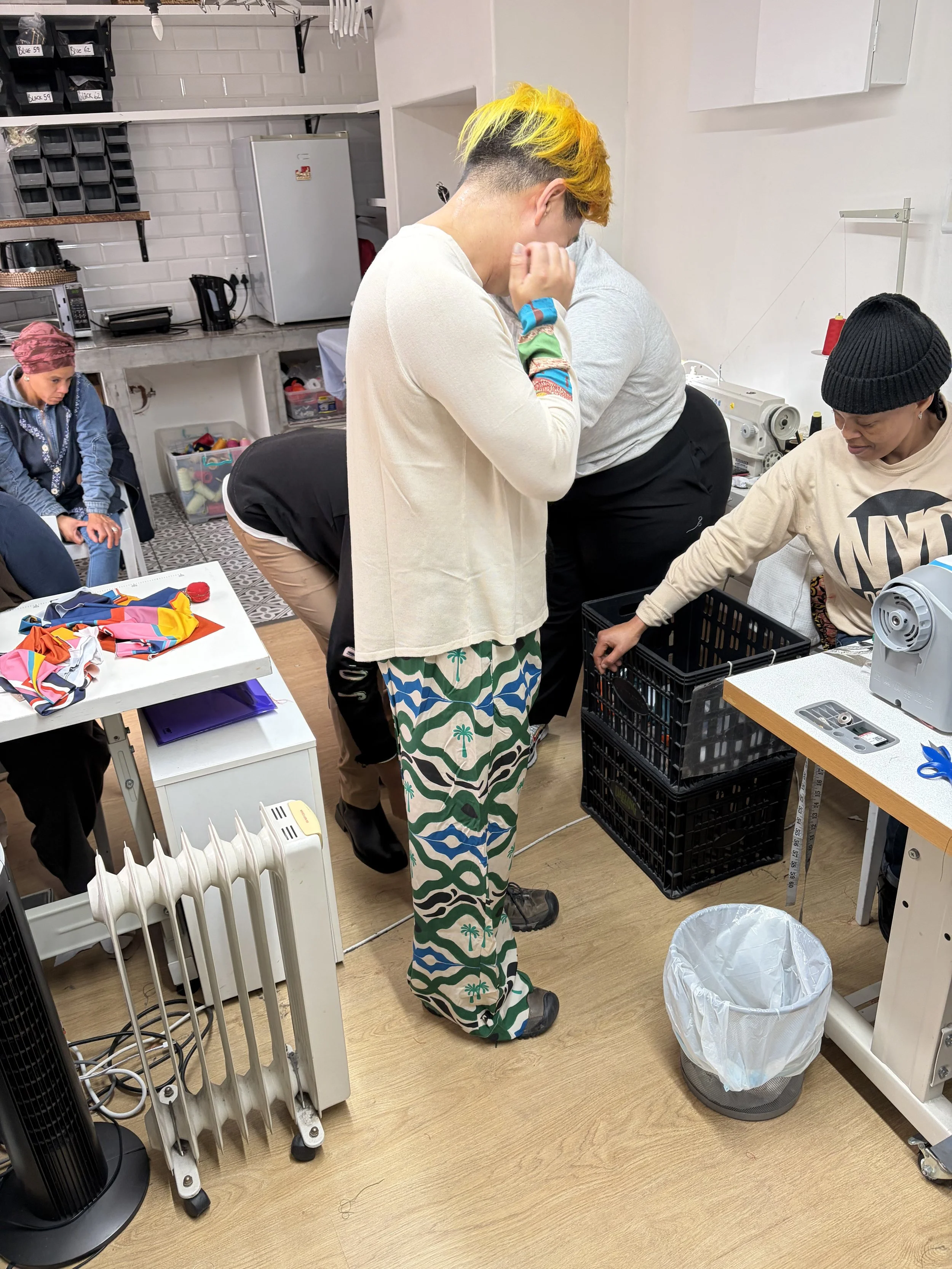
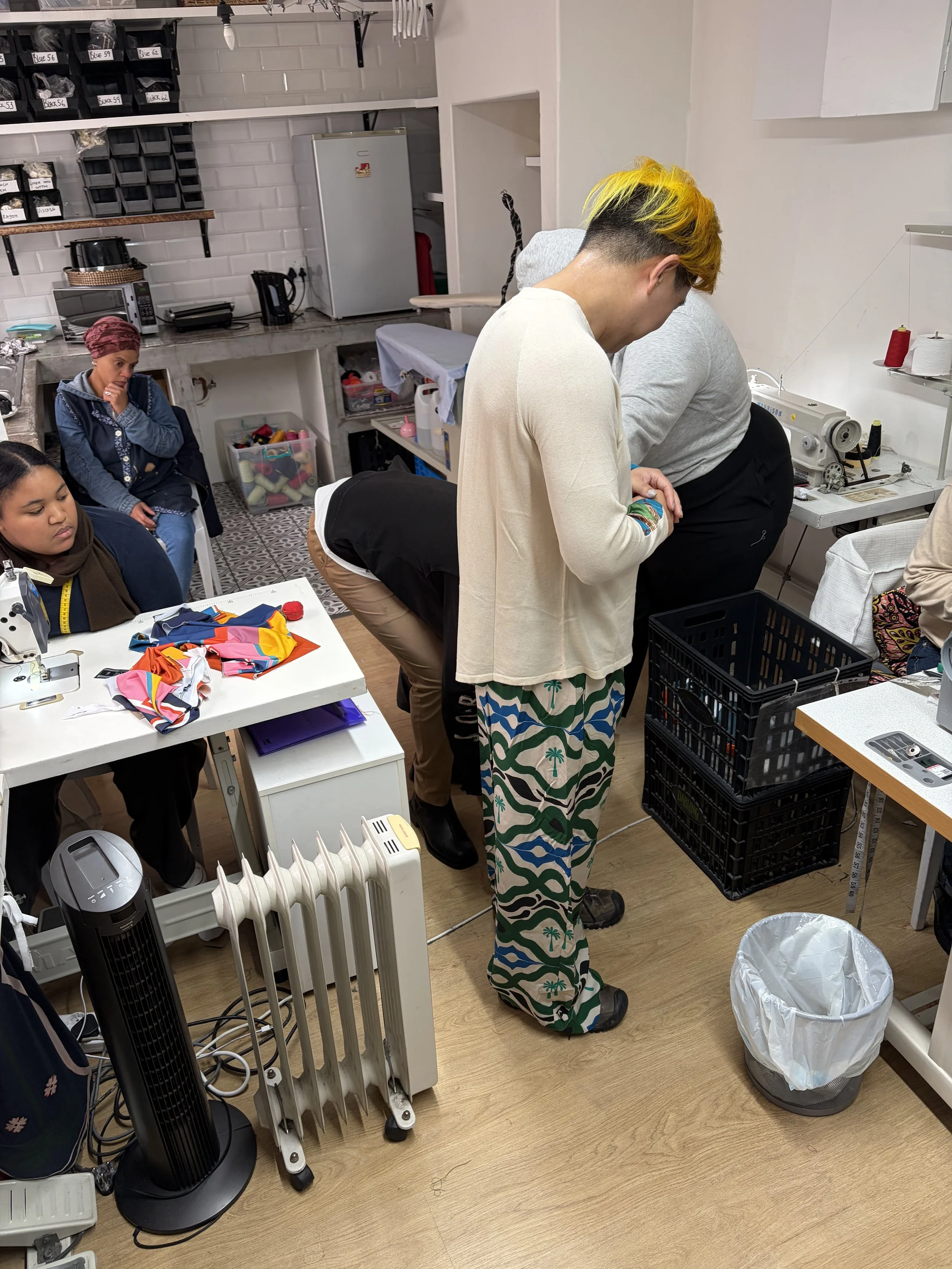
Since that didn’t pan out, we mostly spent our time in town. The area where the Zeitgeist flagship store is located is also near some other cool local streetwear. I had no expectation of local brands, but Cape Town impressed us both. In addition to that store, we also visited Maison Mille Collines in nearby Bo Kaap, where we met the designer, got introduced to the whole tailoring/clothesmaking team, and Jerry got some pants custom altered.
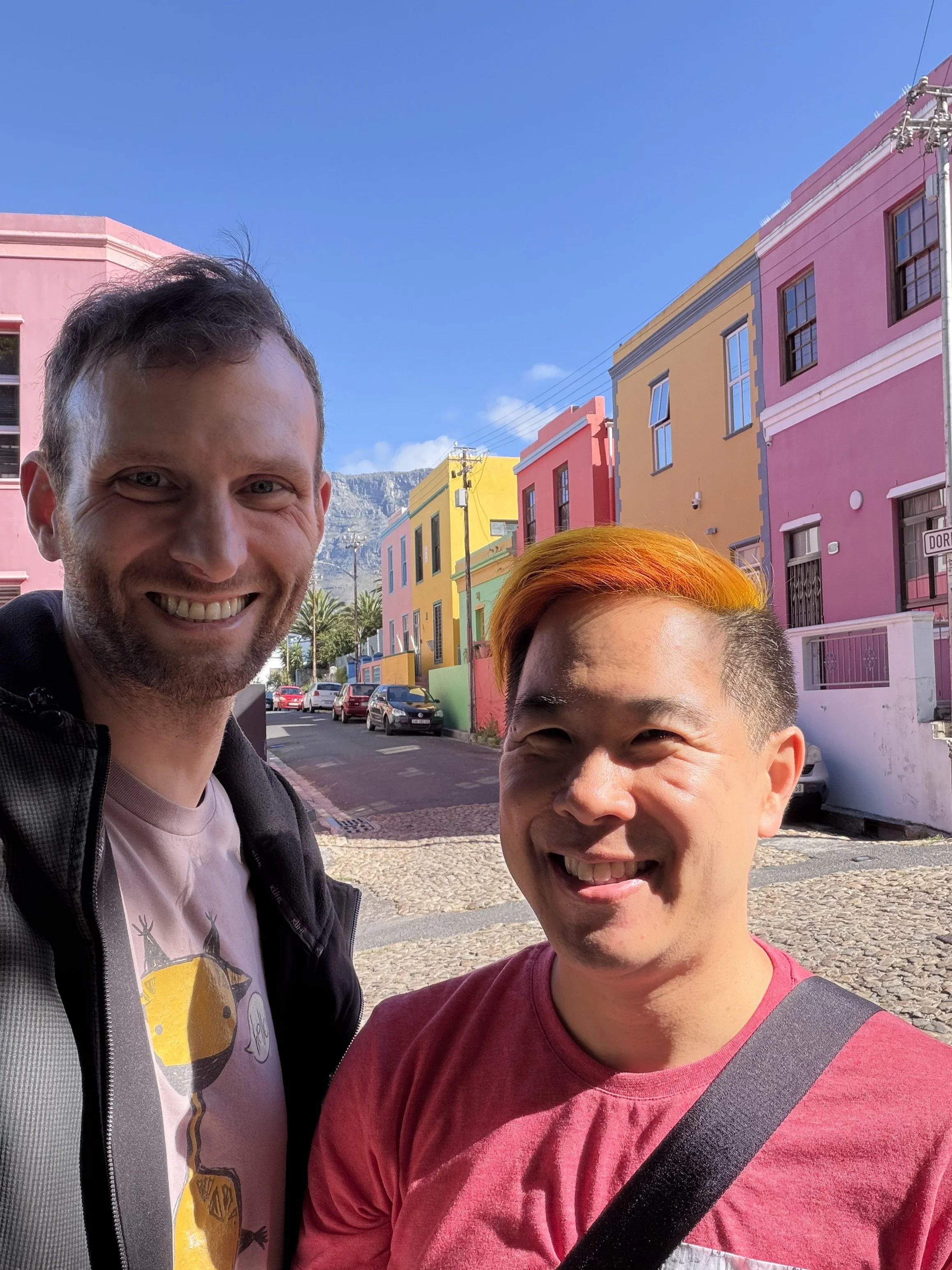
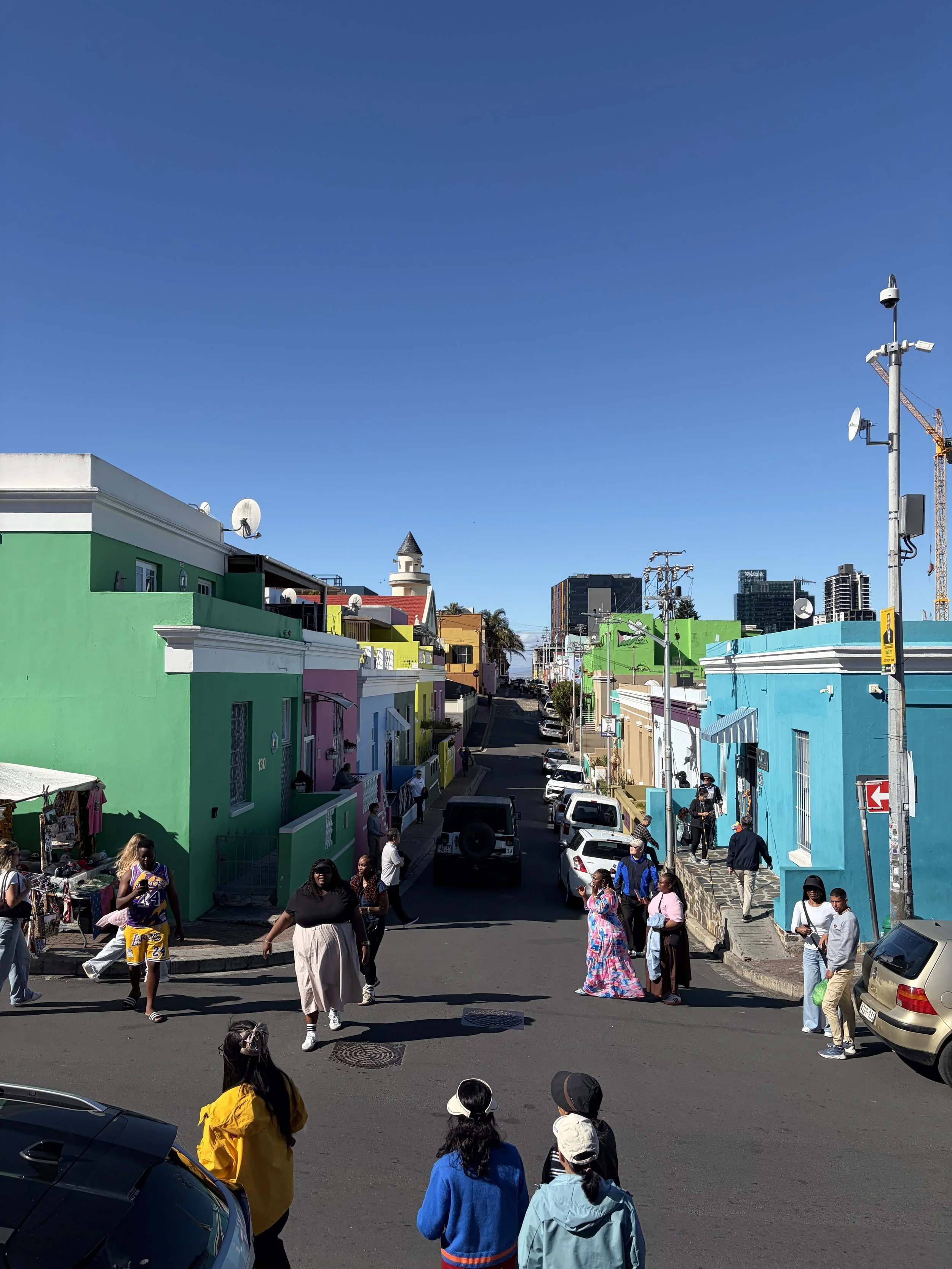
Bo Kaap is a colorful neighborhood, historically home to the Cape Malay, though these days it’s being gentrified by its proximity to the rest of the CBD. There’s also a tiny little museum that explains more about the history and is worth dropping by while you’re there.
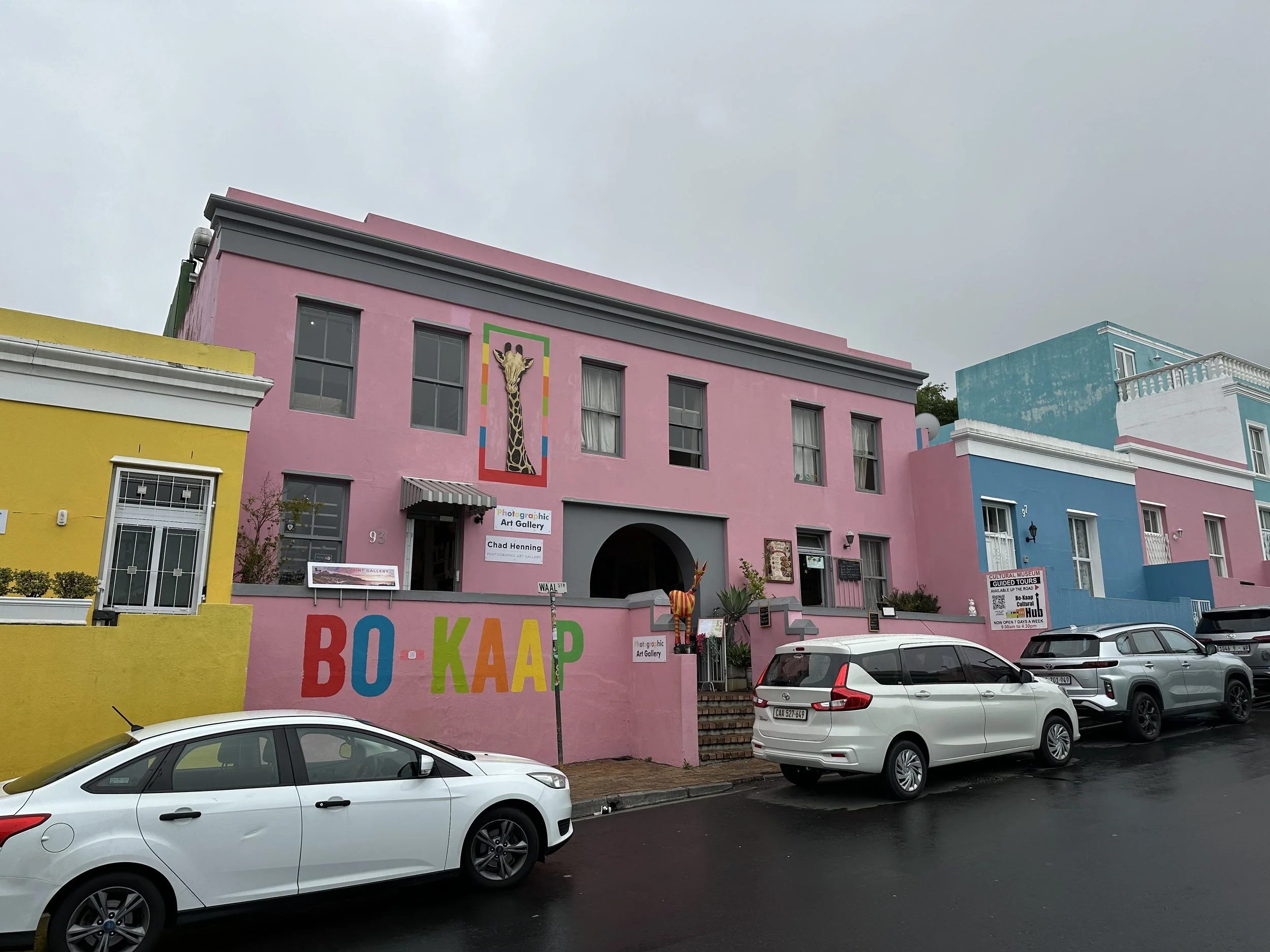
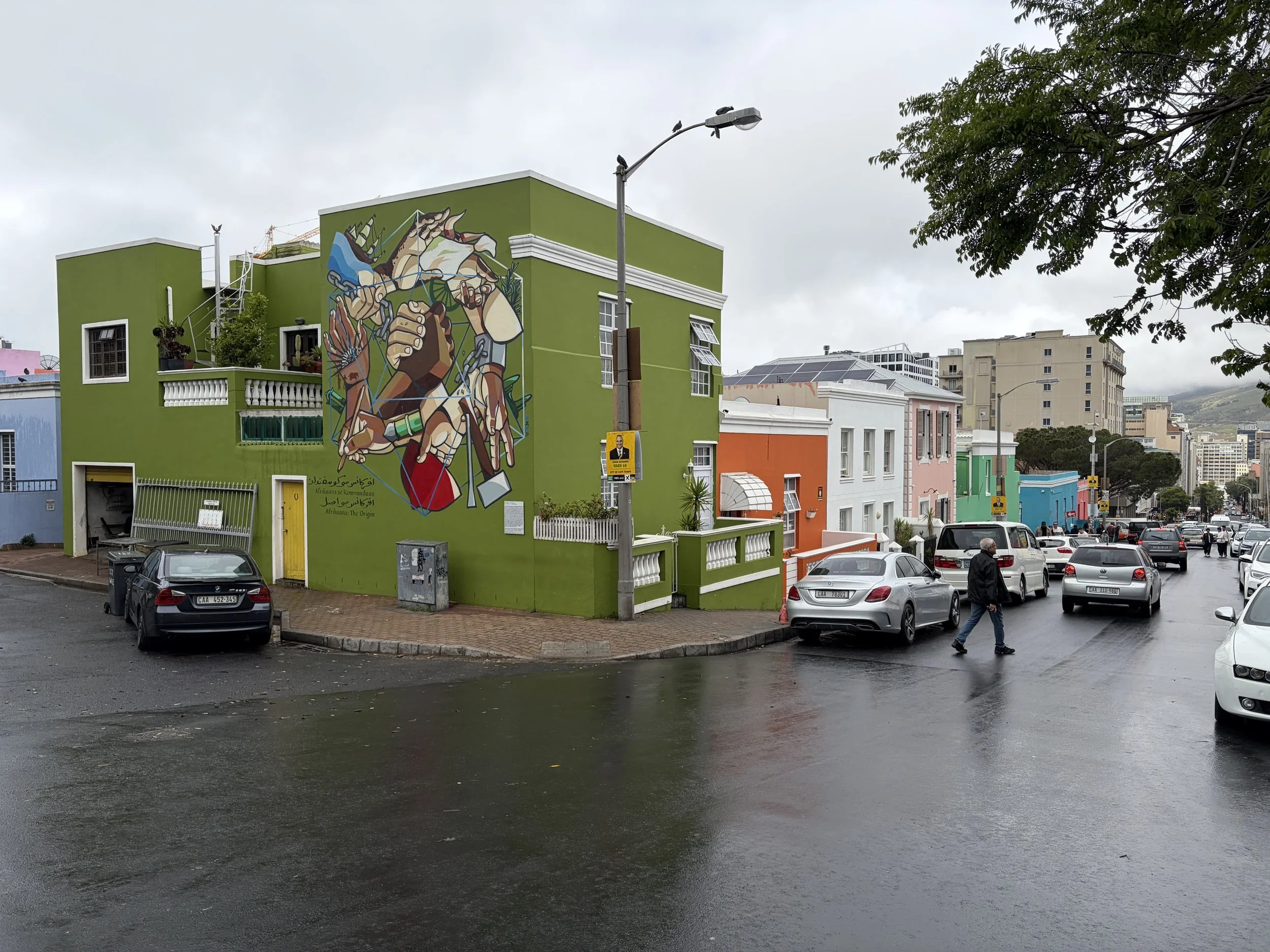
It’s also a historically Muslim area, so you can see some nice-looking mosques. In general, we learned a lot about the history and demographics of the area during our trip, so let’s talk about that for a minute.
I’m sure everyone here is aware of the overall history of Apartheid, but it’s something else to see the impact in this level of detail. We need to talk about District 6. Luckily, there’s a very good museum that explains what happened and how it impacted everyone.
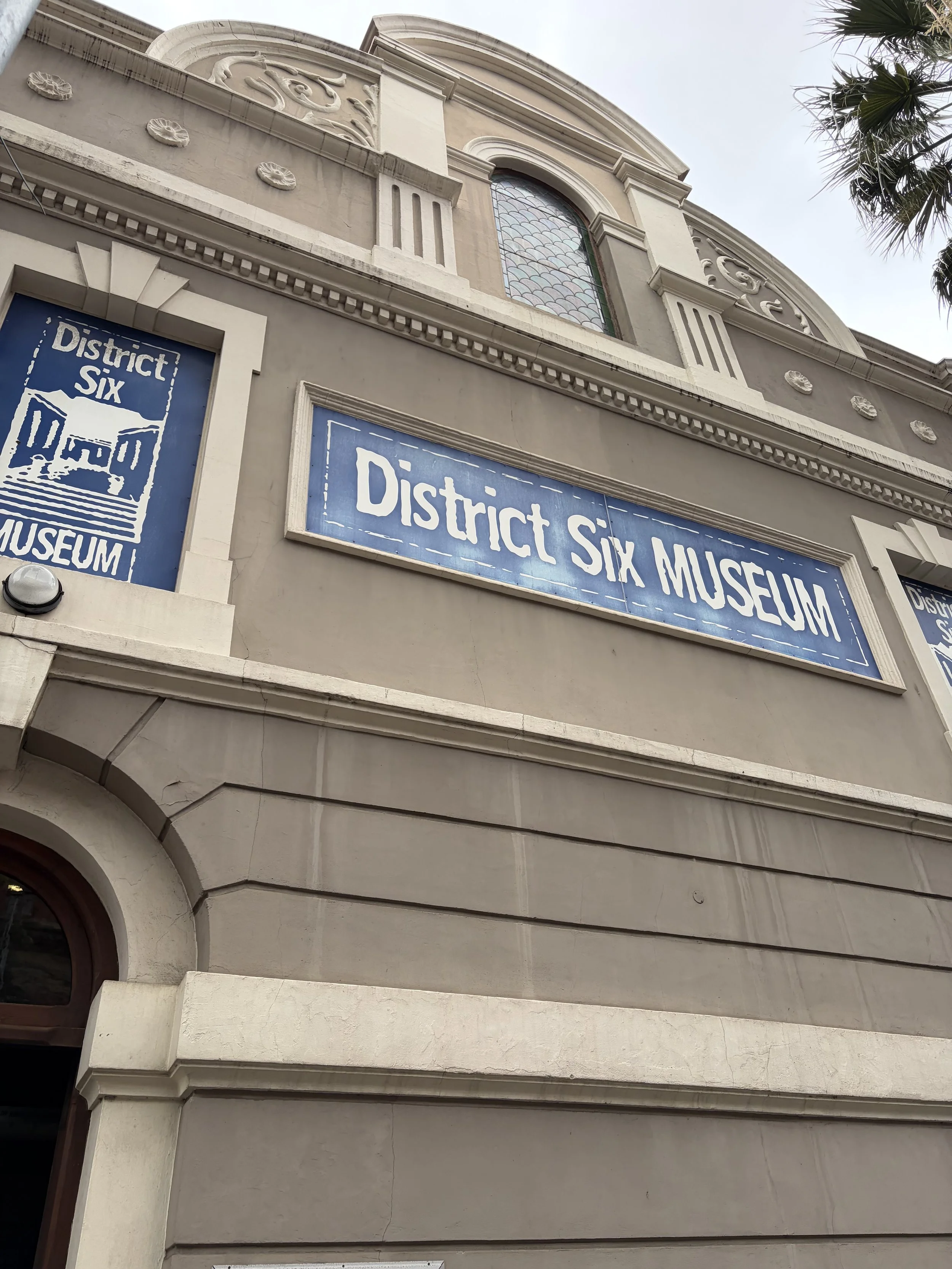
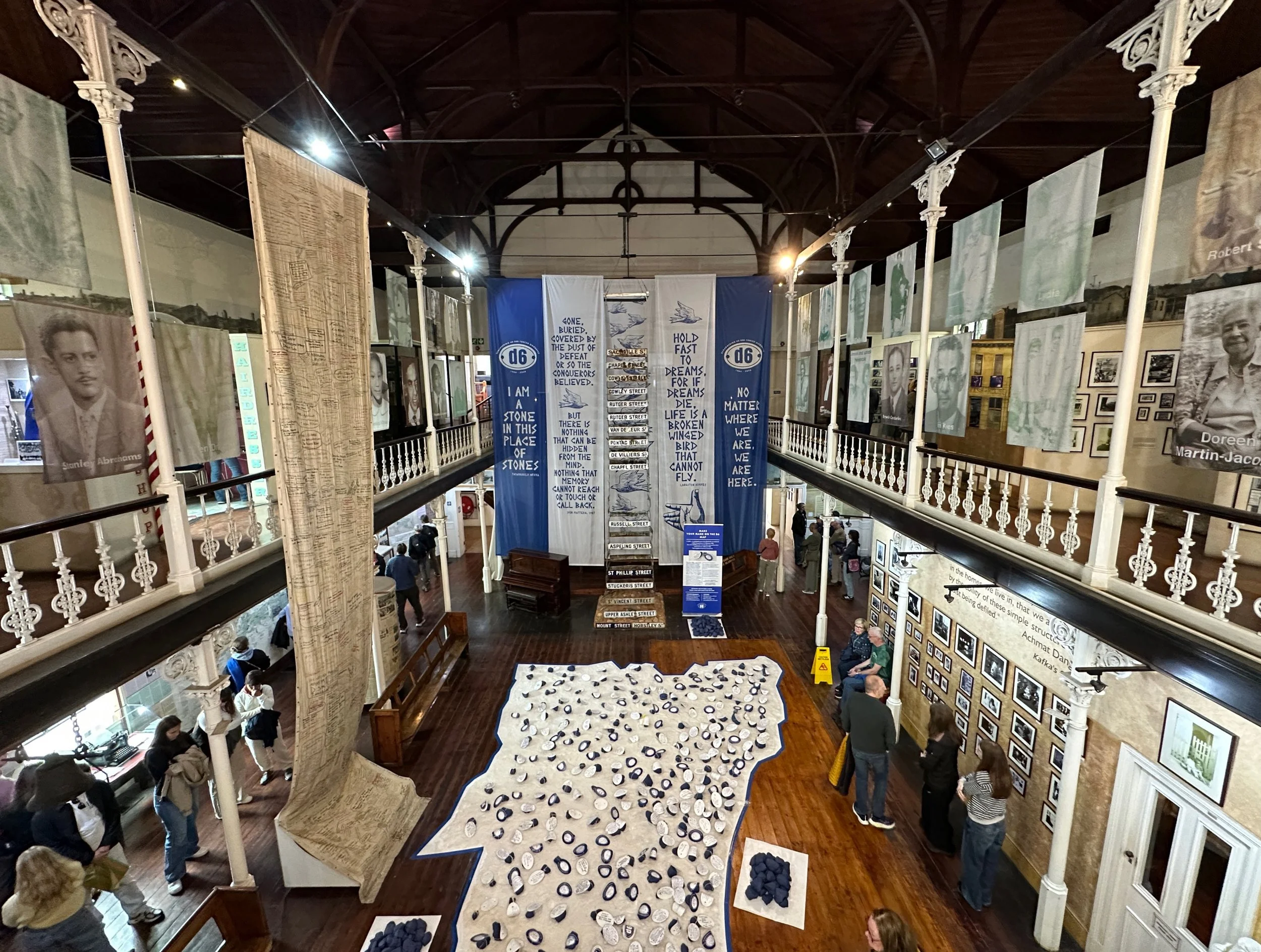
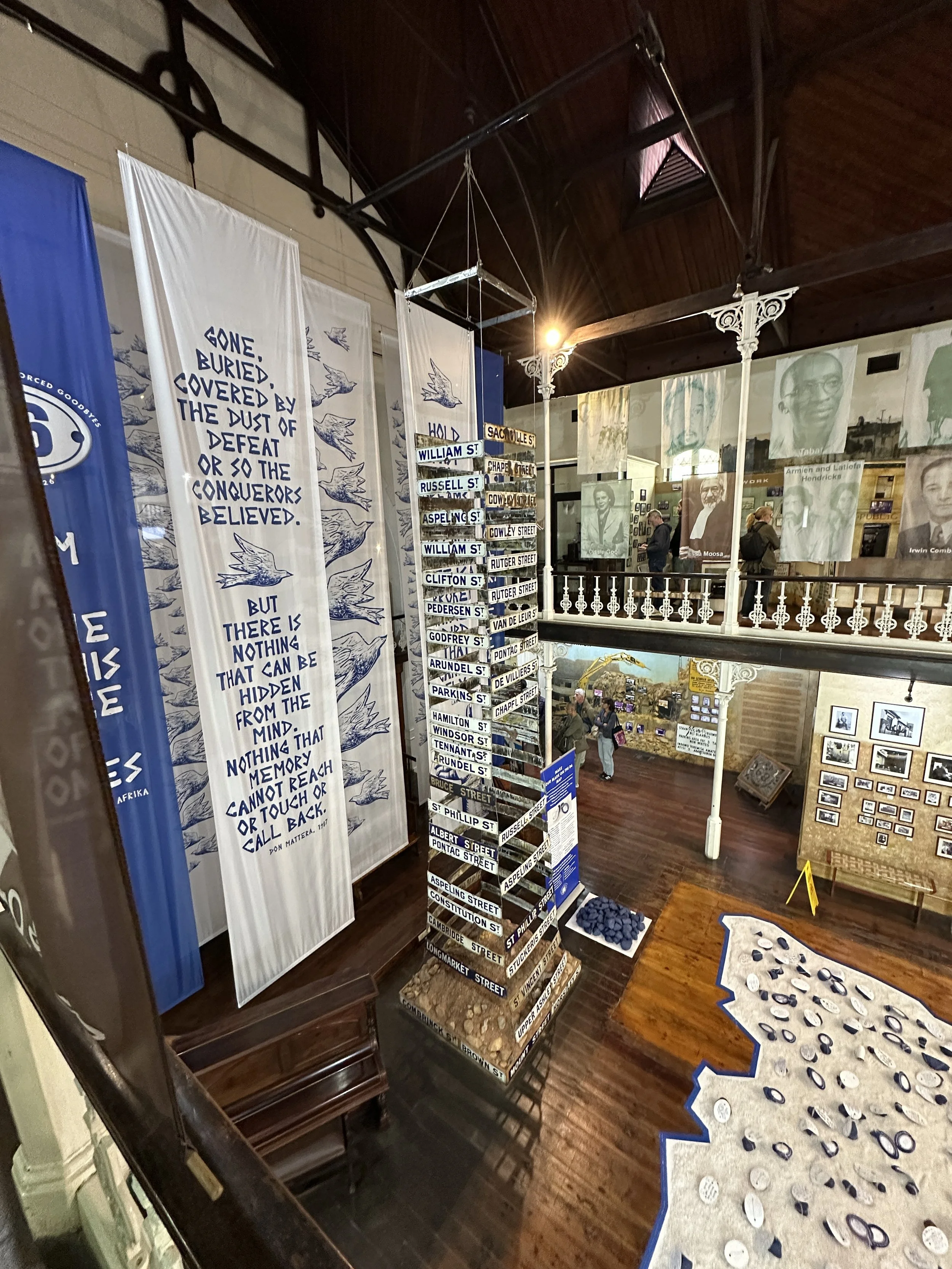
A beautiful, diverse neighborhood near central Cape Town formed in the early 20th century. Then, apartheid officially began, controlling where Black South Africans could work, live, and even what types of jobs they could have. They had to get a pass, like a passport within their own country, to let them even go into other neighborhoods in their own city. More horrifying, the whites bulldozed most of the district, evicting all the residents into townships, so they could build a white neighborhood. By the time they managed to evict people and bulldoze much of the area, it was the 80s, and there was at least some pressure to not build the new white-only area right where they had caused such hardship. To this day, a lot of vacant lots dot district six as the city tries to cope with the oppressive history and decide the best way to rebuild fairly.
Speaking of history, we also visited Robben Island, the prison island where Nelson Mandela and other political prisoners were held.
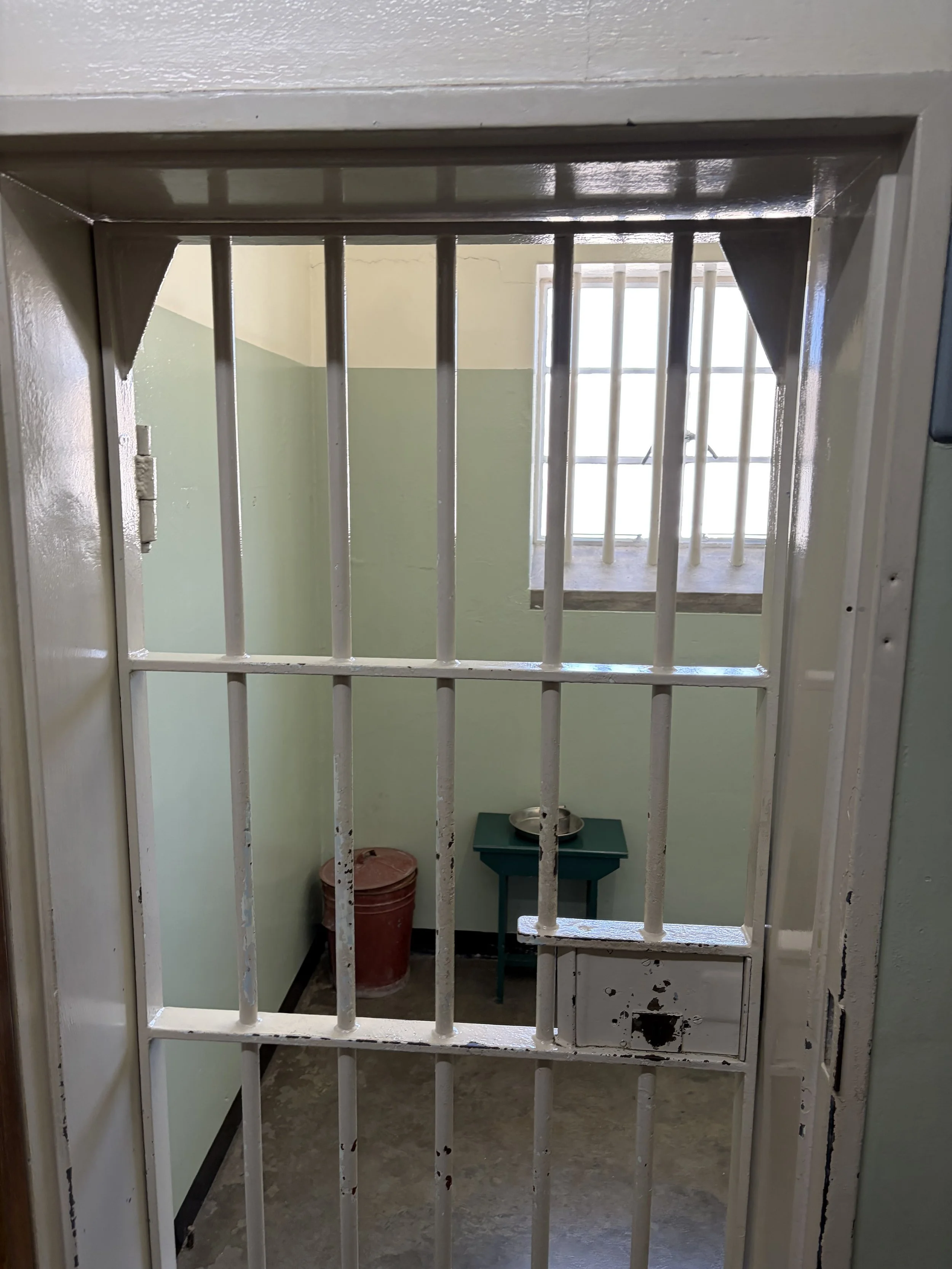
It’s a haunting place to see. The solitary cell that the most important political leaders (like Mandela) had were tiny. They didn’t even have access to a proper toilet, but had to use a bucket, then take it out themselves during the brief time each day they were allowed into the jail yard. He spent 19 years in there, but never lost hope. Each group gets a guide who was a former inmate. Ours had some harrowing stories about the mistreatment they all received. He regaled us with stories while we were all in the bunk room that he spent a few years in. Dozens of men shared the room, sleeping on thin mats on the floor each night, with no heating in the winter.
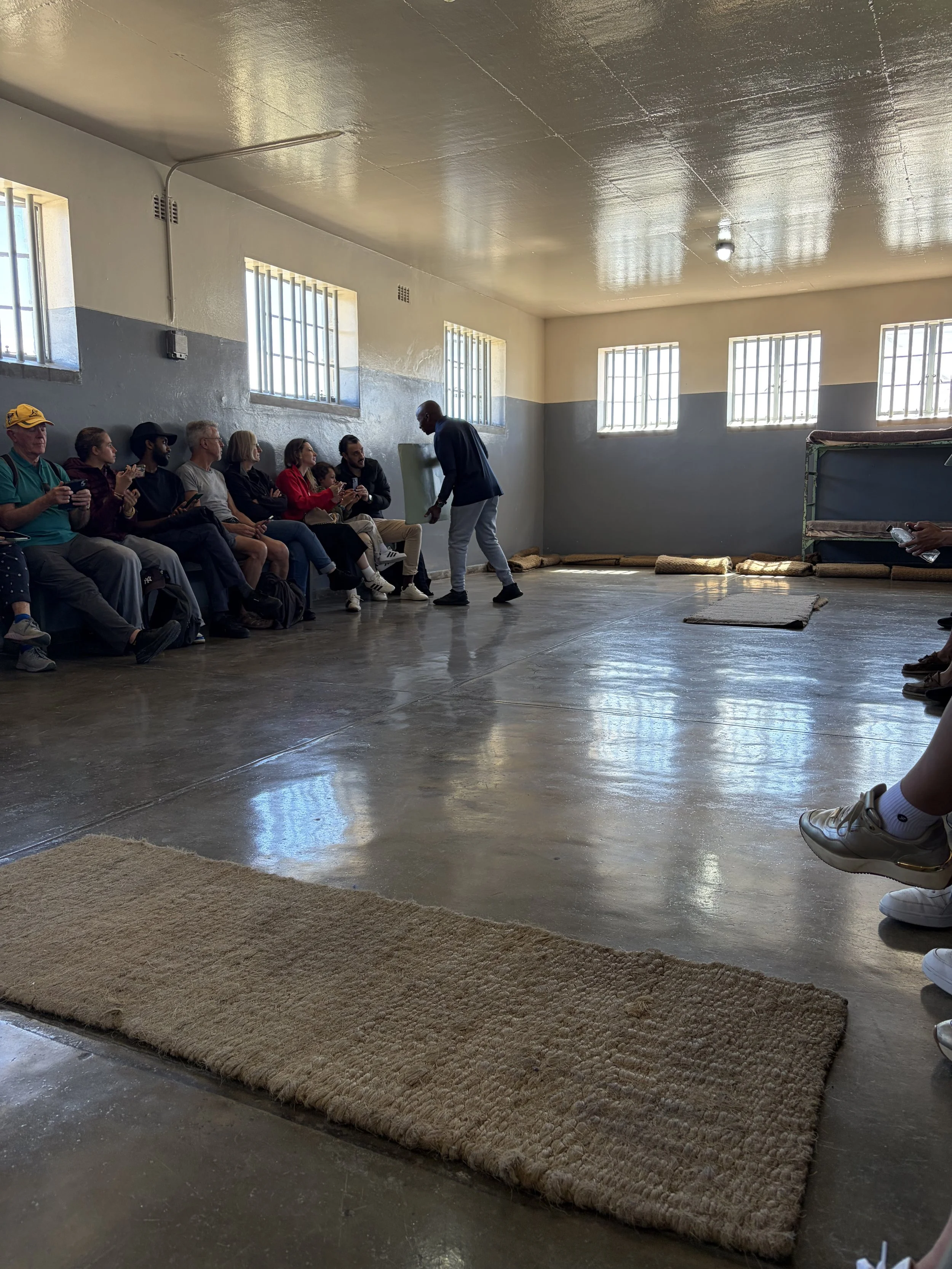
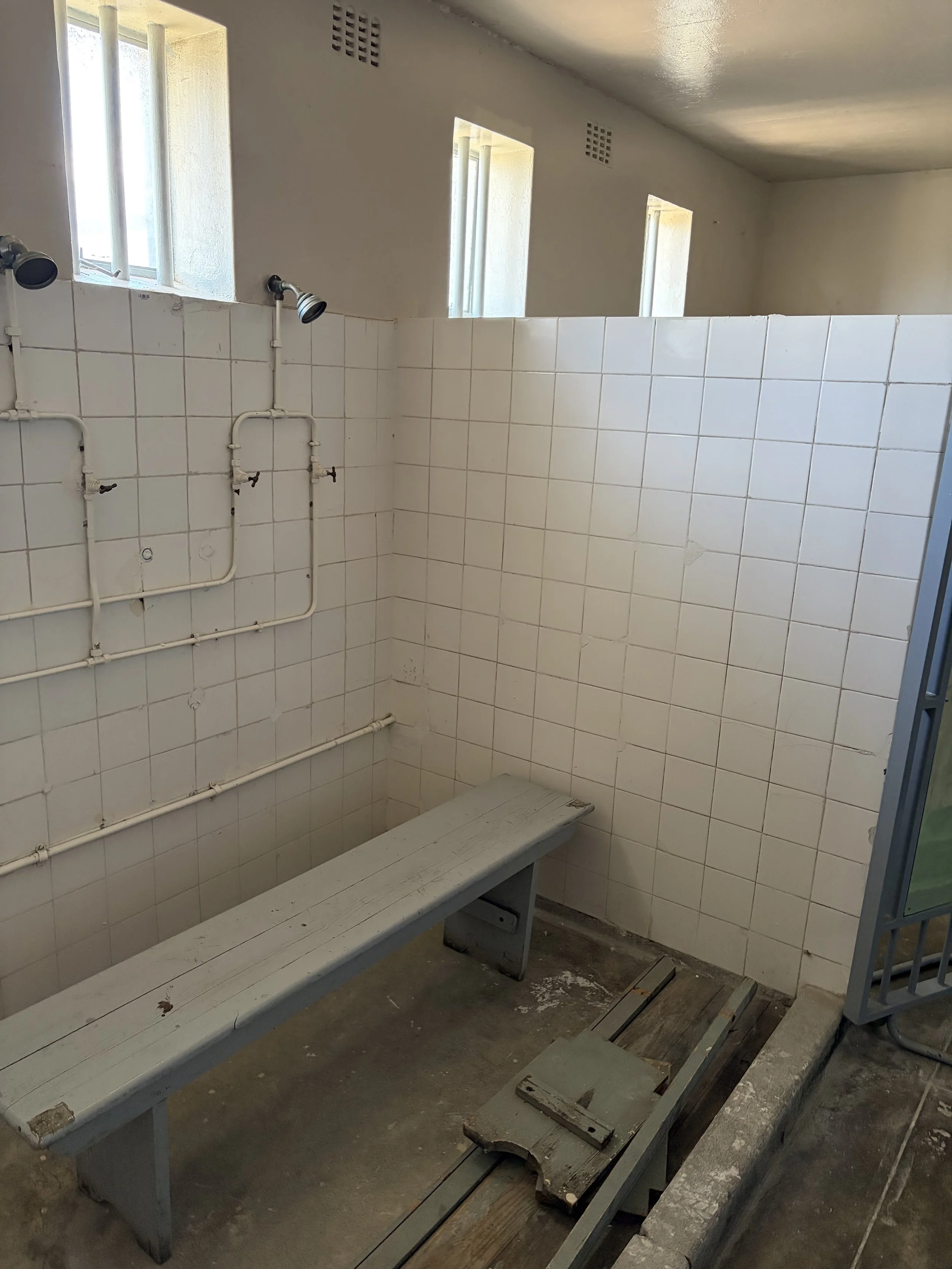
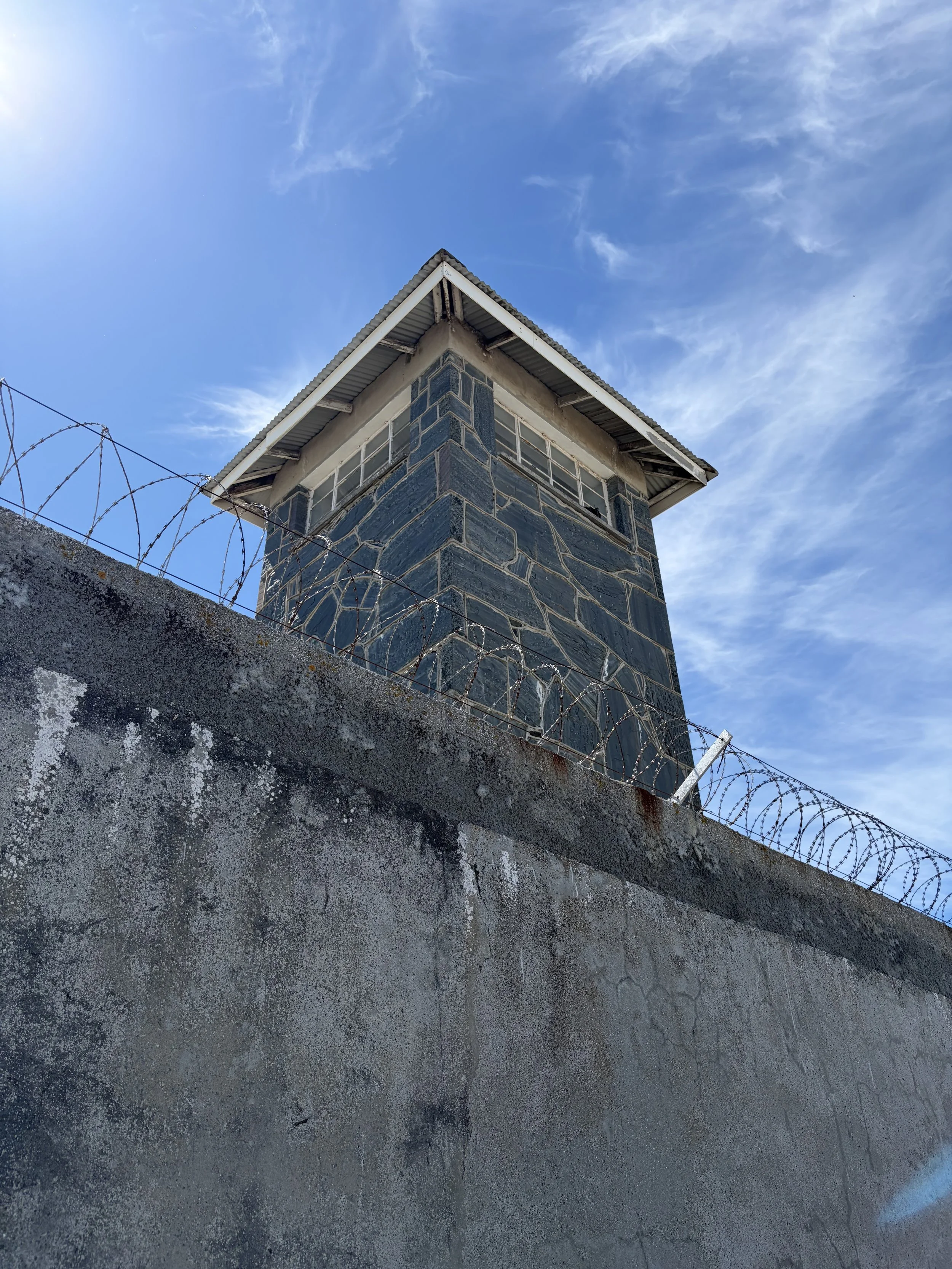
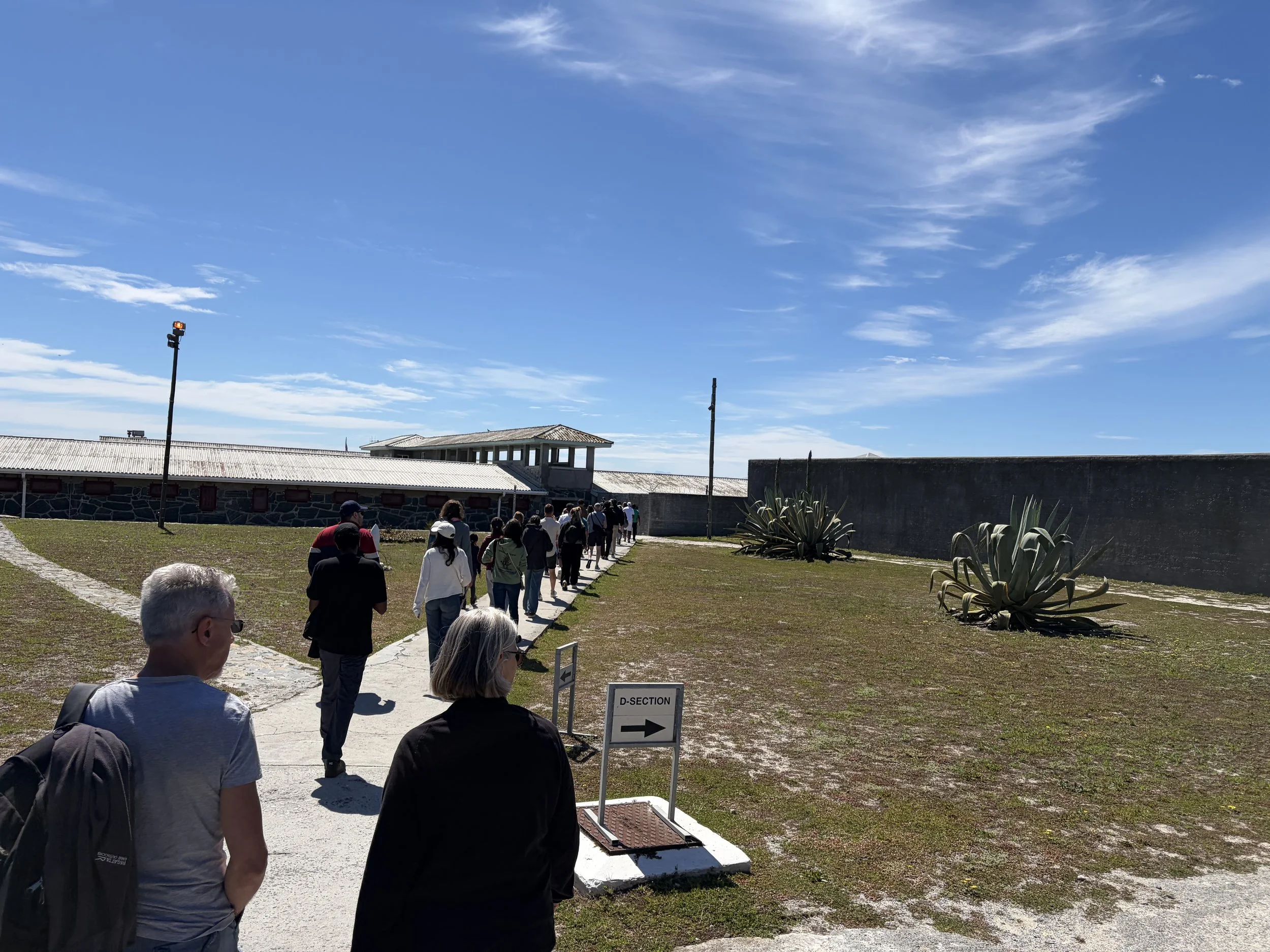
Mandela and everyone were finally freed in the early 90s, and free elections were finally held in 1994 where Mandela was elected president. South Africa has faced many challenges since then, and we’re not the experts (plenty to read online if you’re interested in more), so I won’t go into more detail, but it was quite an eye-opening experience, and a must-see if you’re in Cape Town.
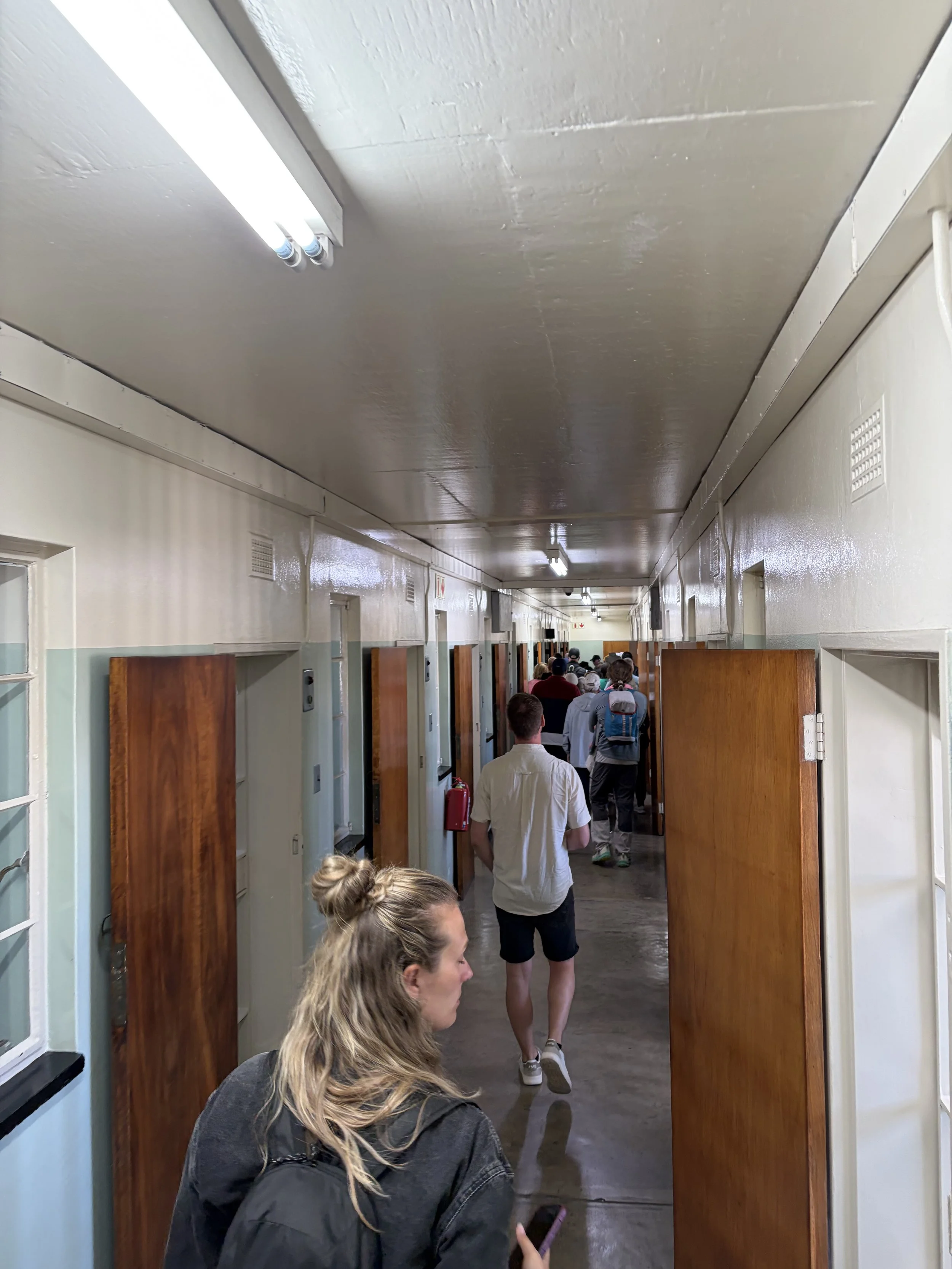
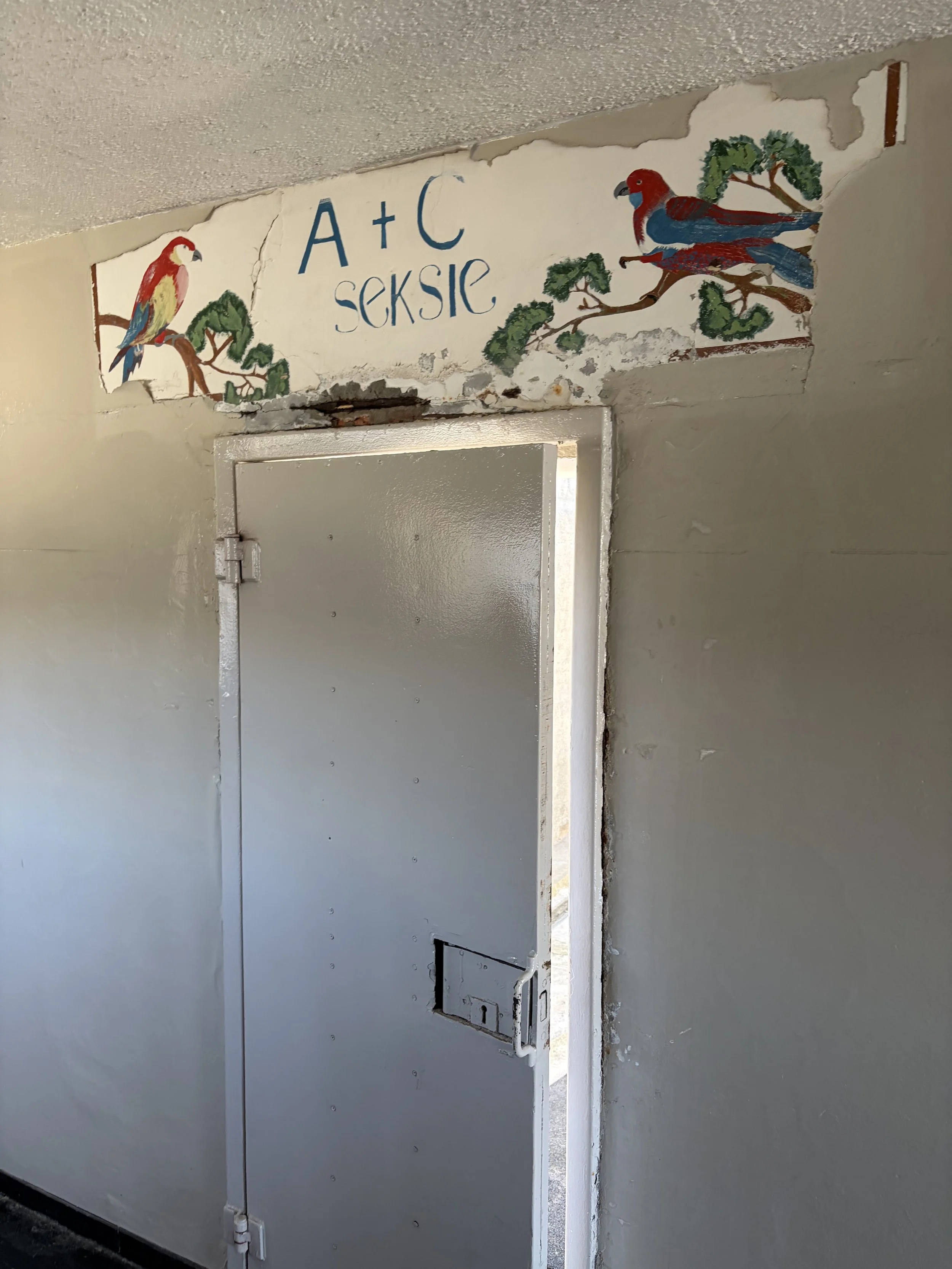
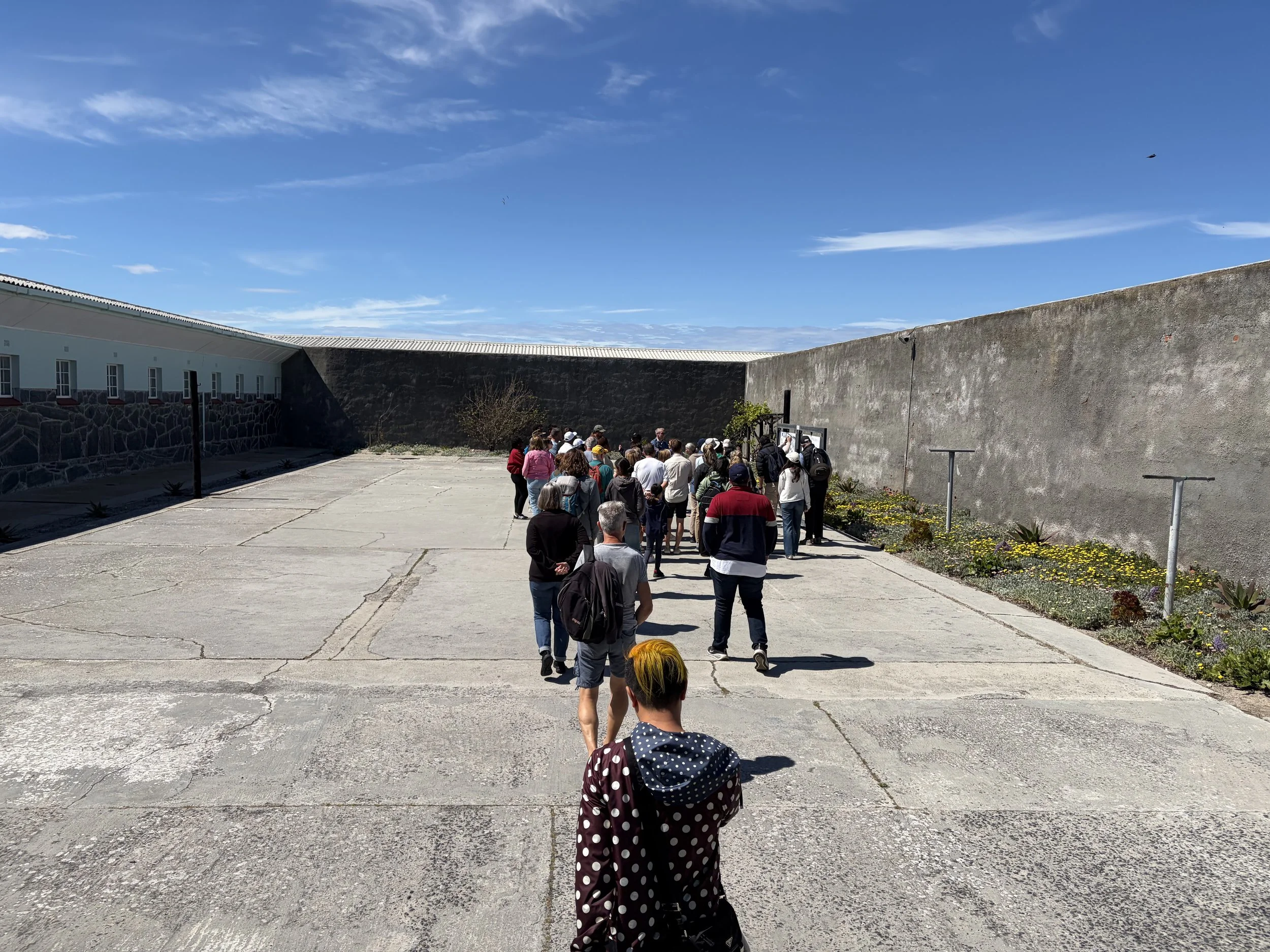
After the prison itself, we were taken on a bus tour, narrated by a woman with the most deadpan voice on earth. She showed us where Robert Mangaliso Sobukwe was kept in truly separate isolation (basically in the dog kennels). He was the founder of the Pan Africanist Congress (PAC) which differed from ANC and Mandela mostly on whether to work with non-African groups, if I understand correctly.
She also took us to where the political prisoners were forced to crush rocks with a hammer, with no safety equipment like goggles, leading to eye injuries from the rock splinters, among other injuries.
She was asked by a guest if she could sing a song with clicks, as she is a native isiXhosa speaker. Her reply, with flat delivery: “I cannot sing.” But she went on to tell a tongue-twister that used all the clicks throughout, which was great to hear for us as linguists. Takes us back to all the practice we got in grad school.
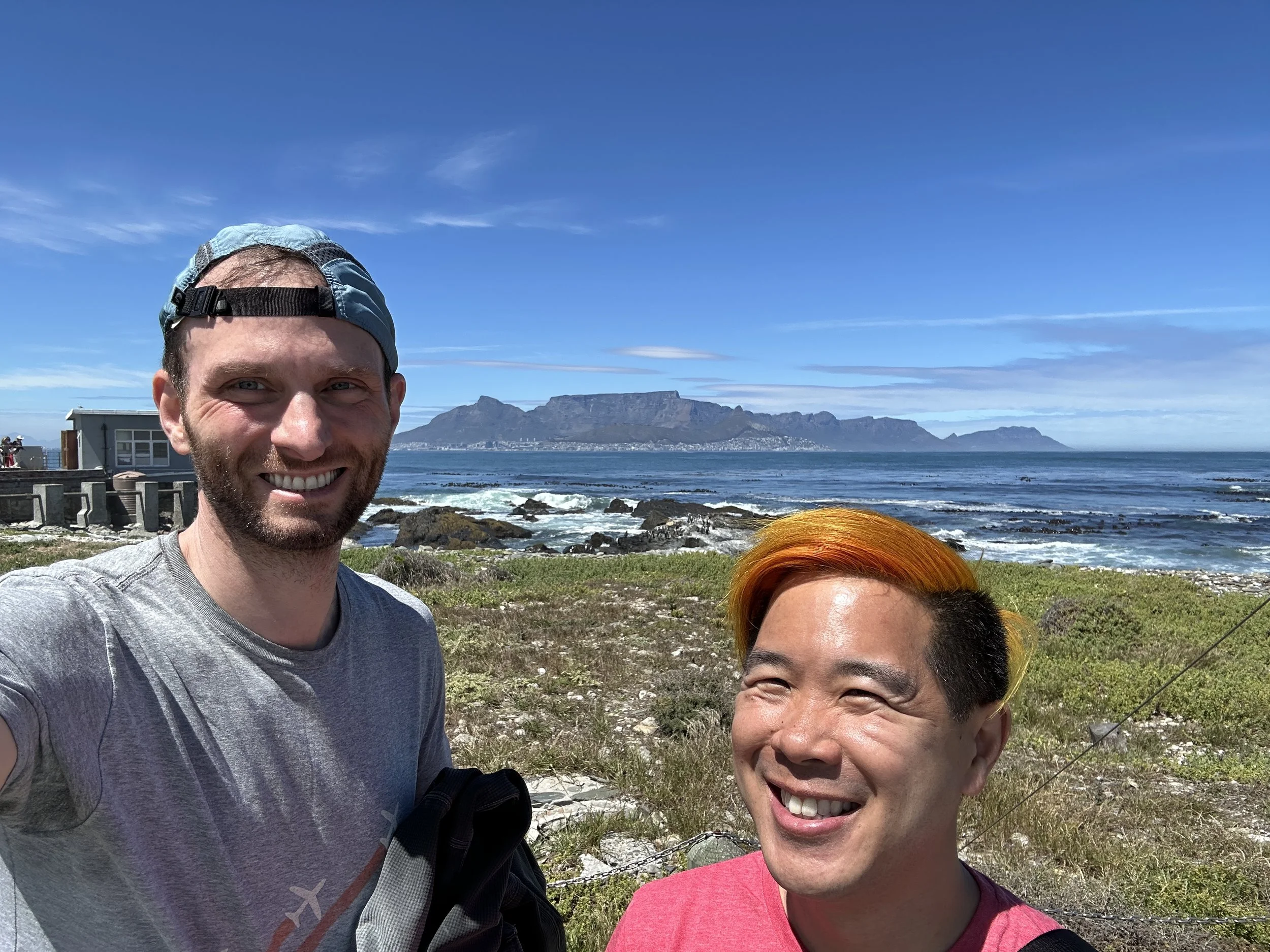
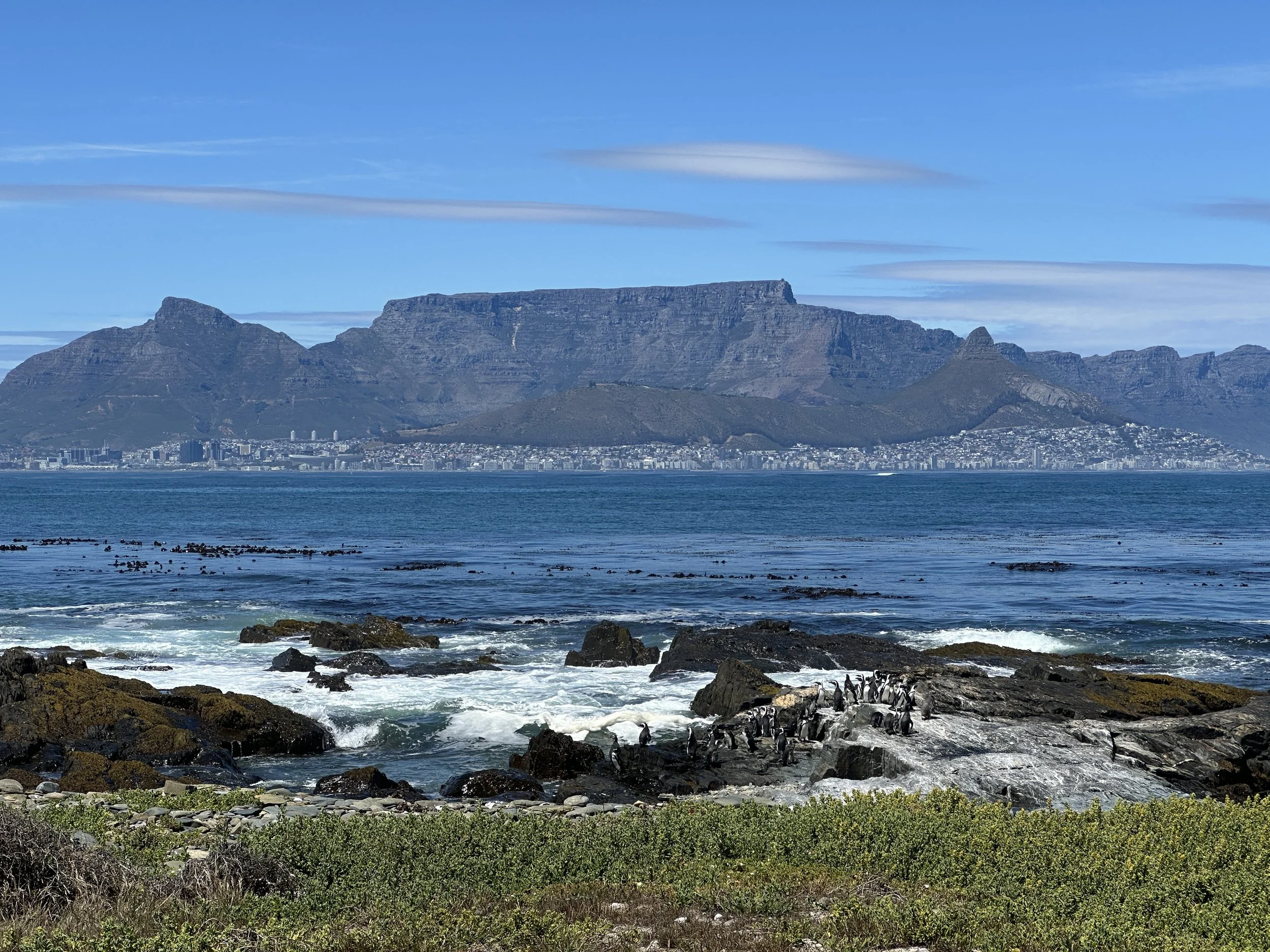
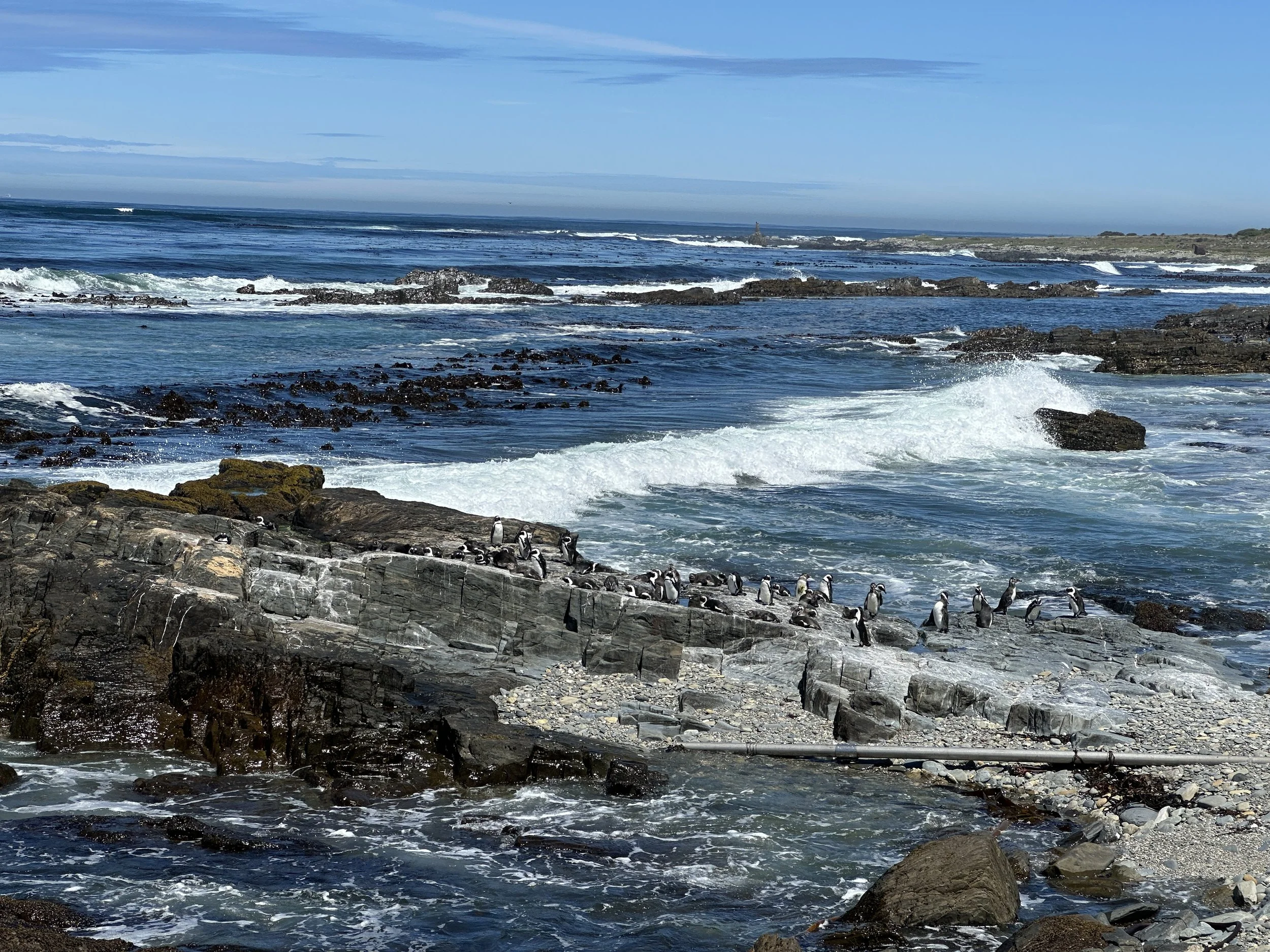
Finally, we stopped for a bathroom break with an amazing view back to the city. Ironically, the clouds had finally cleared from Table Mountain, and we were out of time to go visit it, since after getting back from Robben Island it was time to head to the airport. Also, there were penguins!
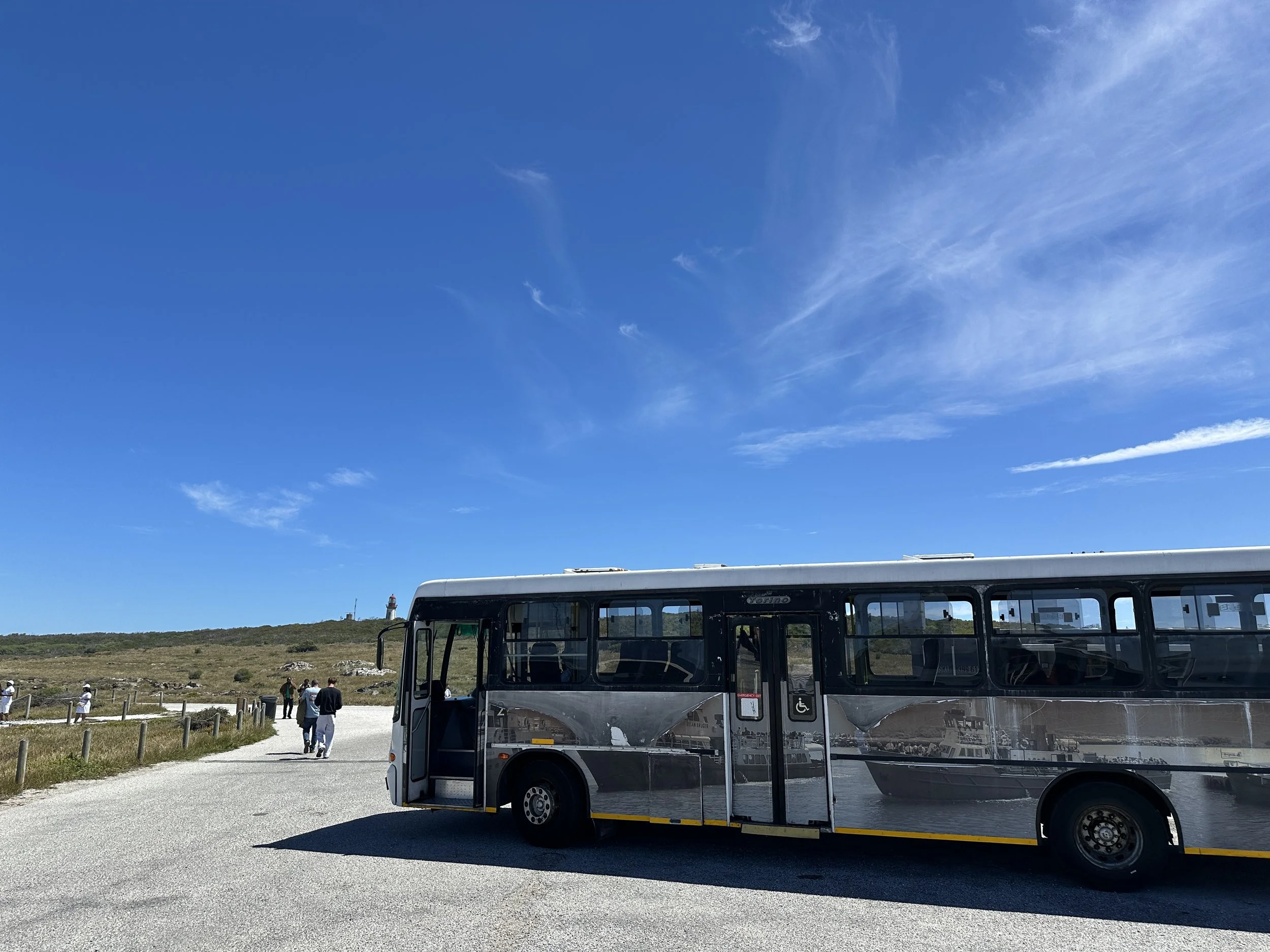
Bonus: the delightful bus from our tour.
Okay, this post has been all over the place, and not at all chronological, but there are two more fun things I want to share.
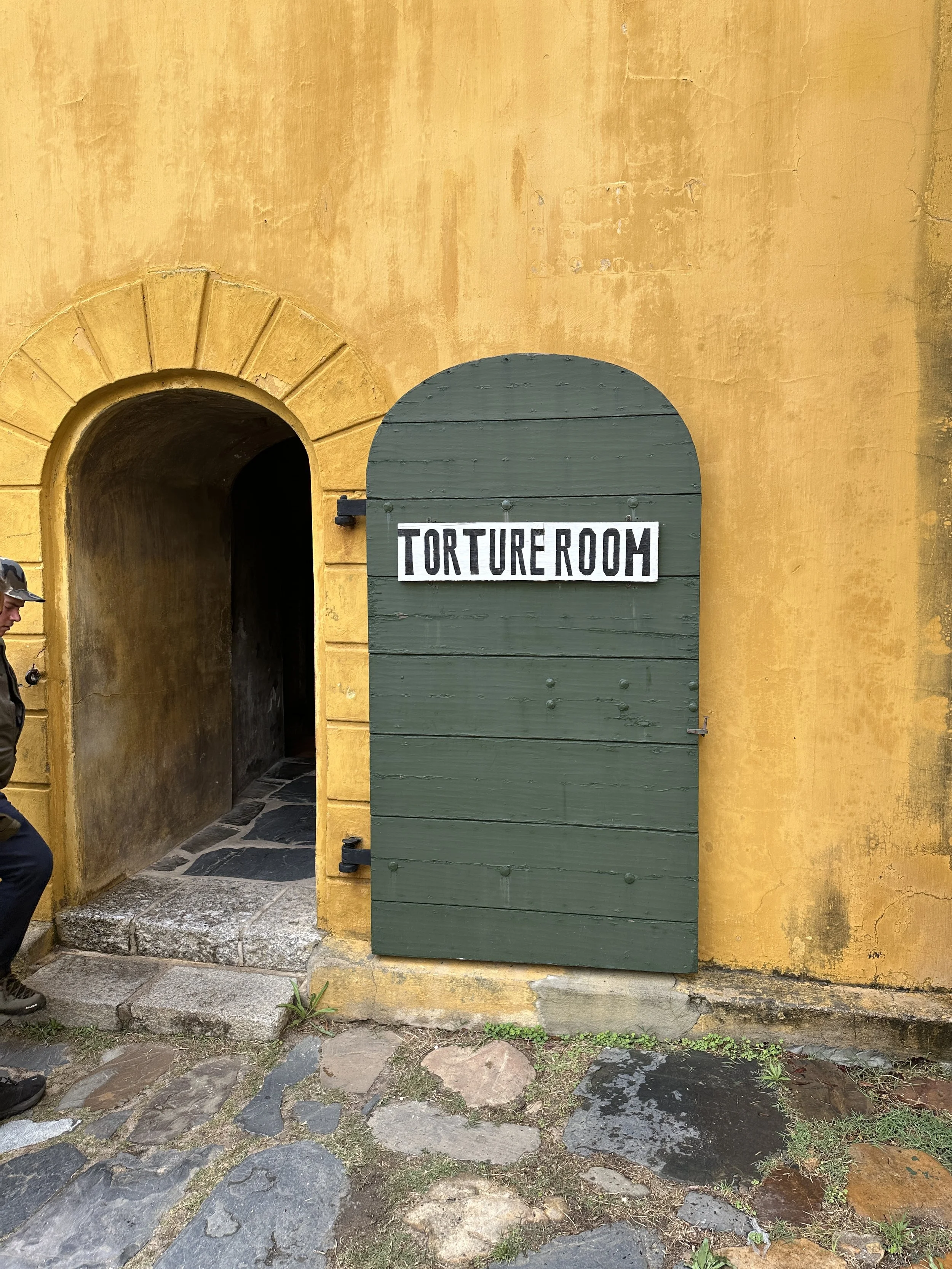
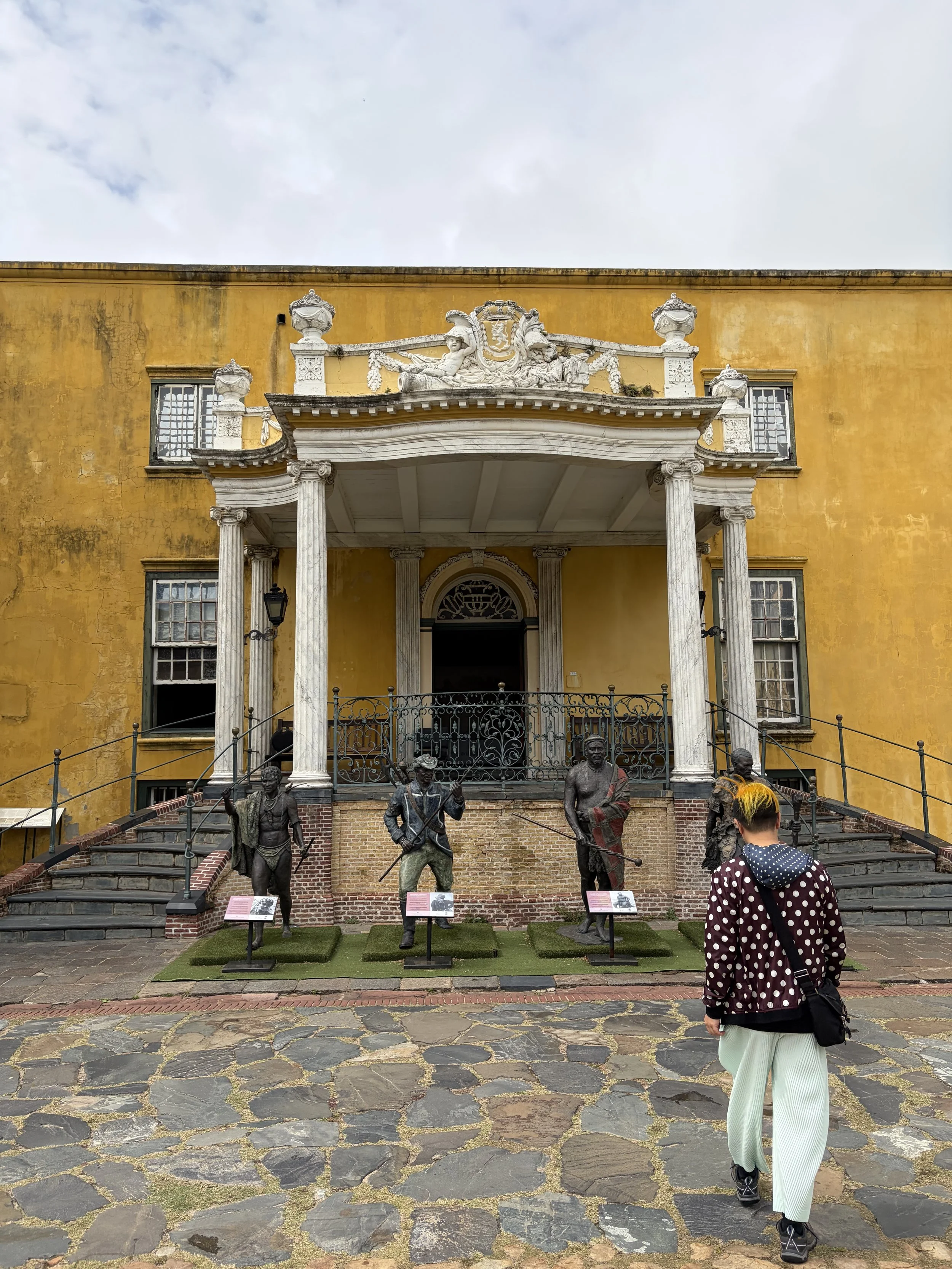
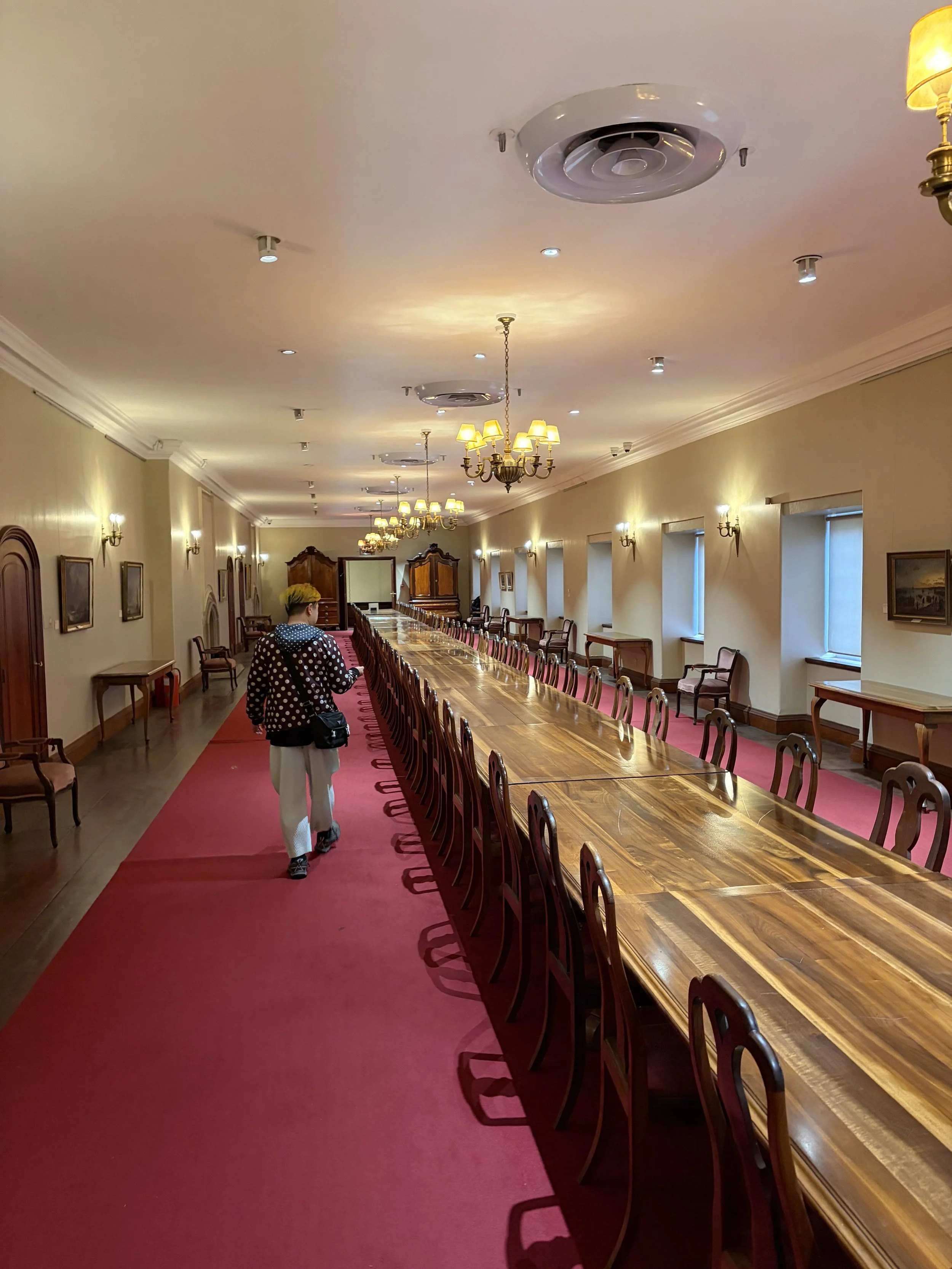
On our attempt to see as much history as possible, we visited the Castle of Good Hope, which was a military fort, not a castle. It dates back 400 years, was used in multiple Dutch/English skirmishes as well as the Boer wars, I think? Anyway, it’s got a cool star shape, was on the coast before landfill moved the coastline further away, and it has a few museums tucked away inside. There’s frustratingly little signage, so you have to make sure to explore around yourself to even find the museums, but it’s worth it.
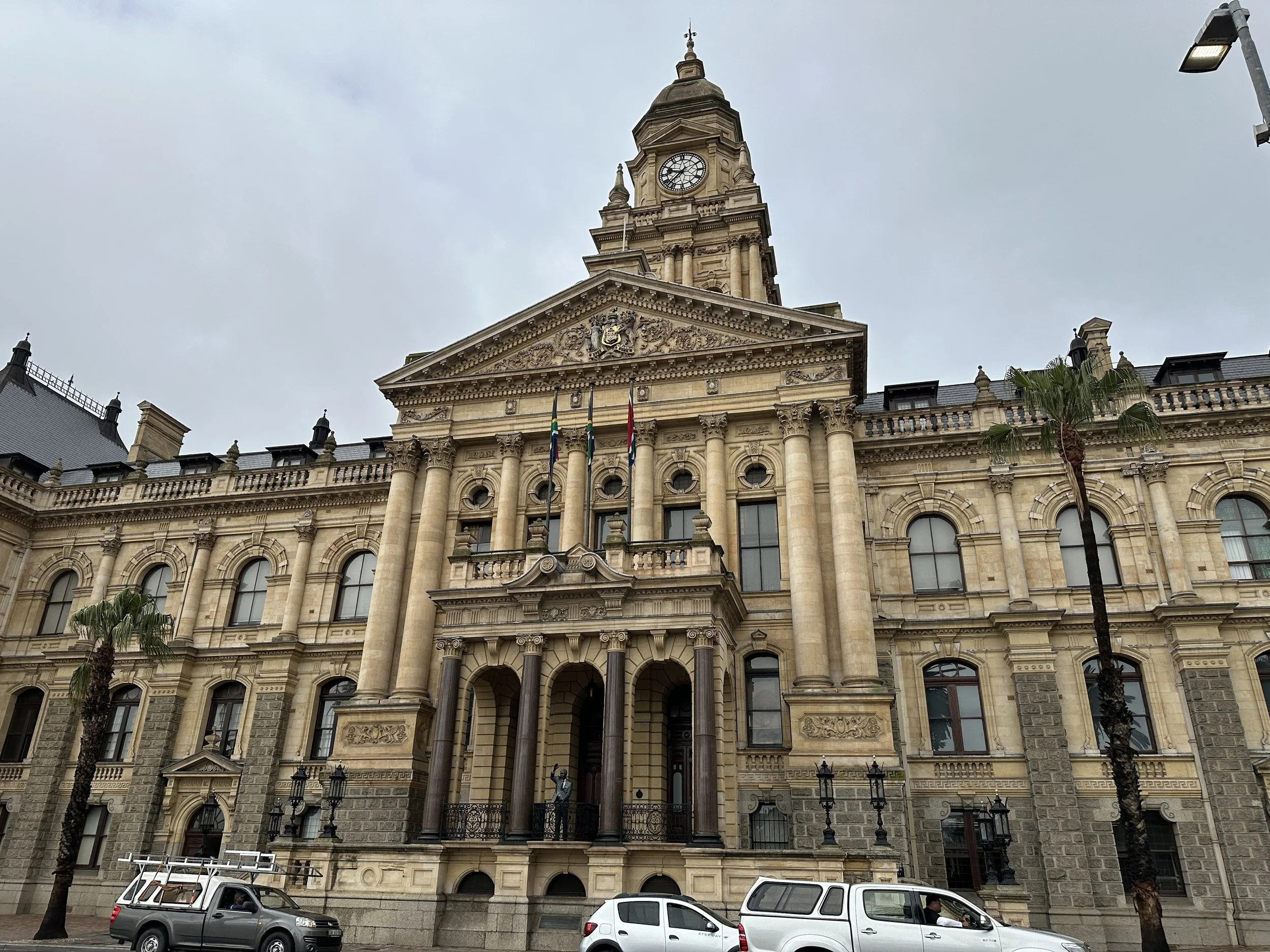
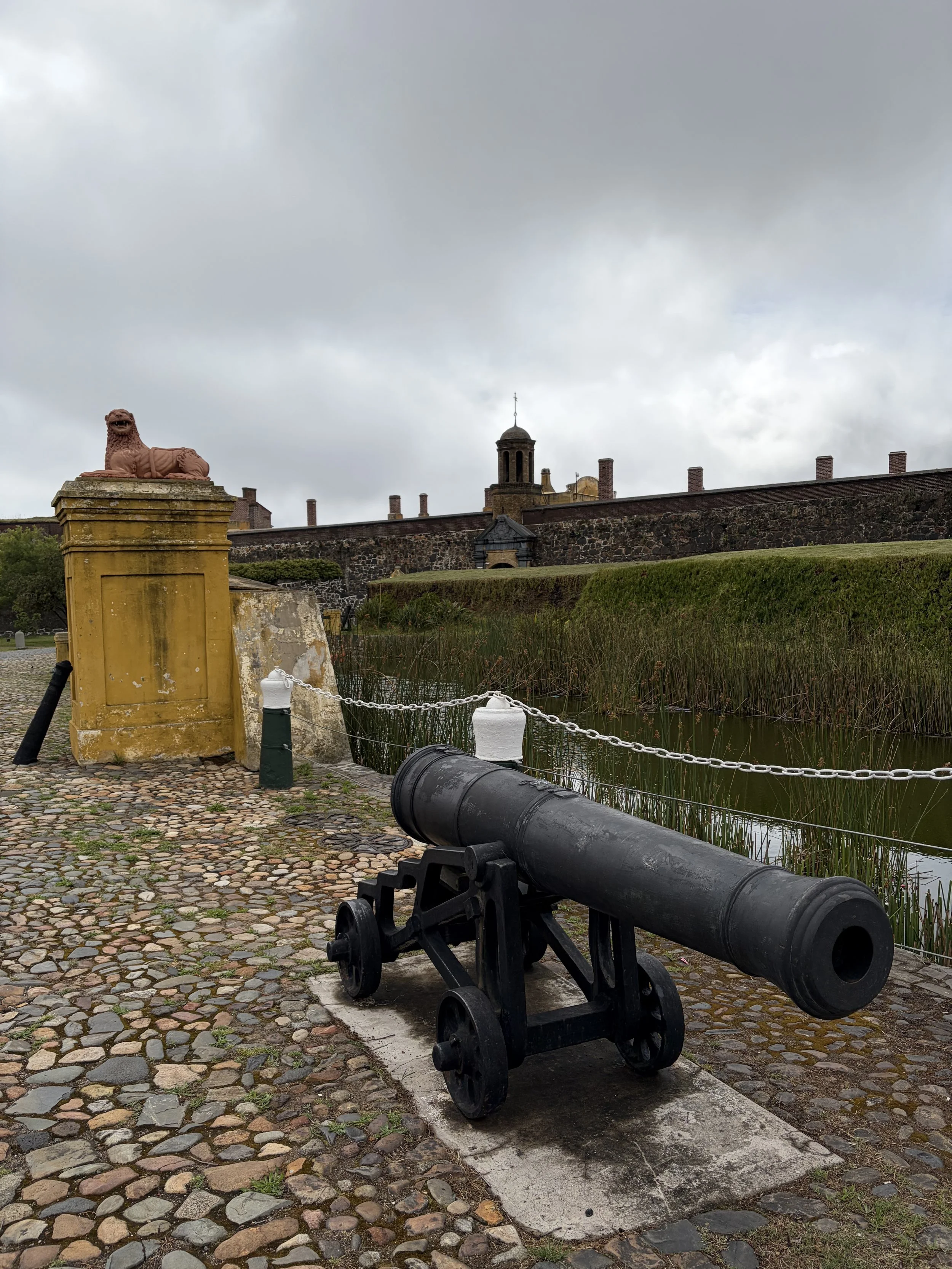
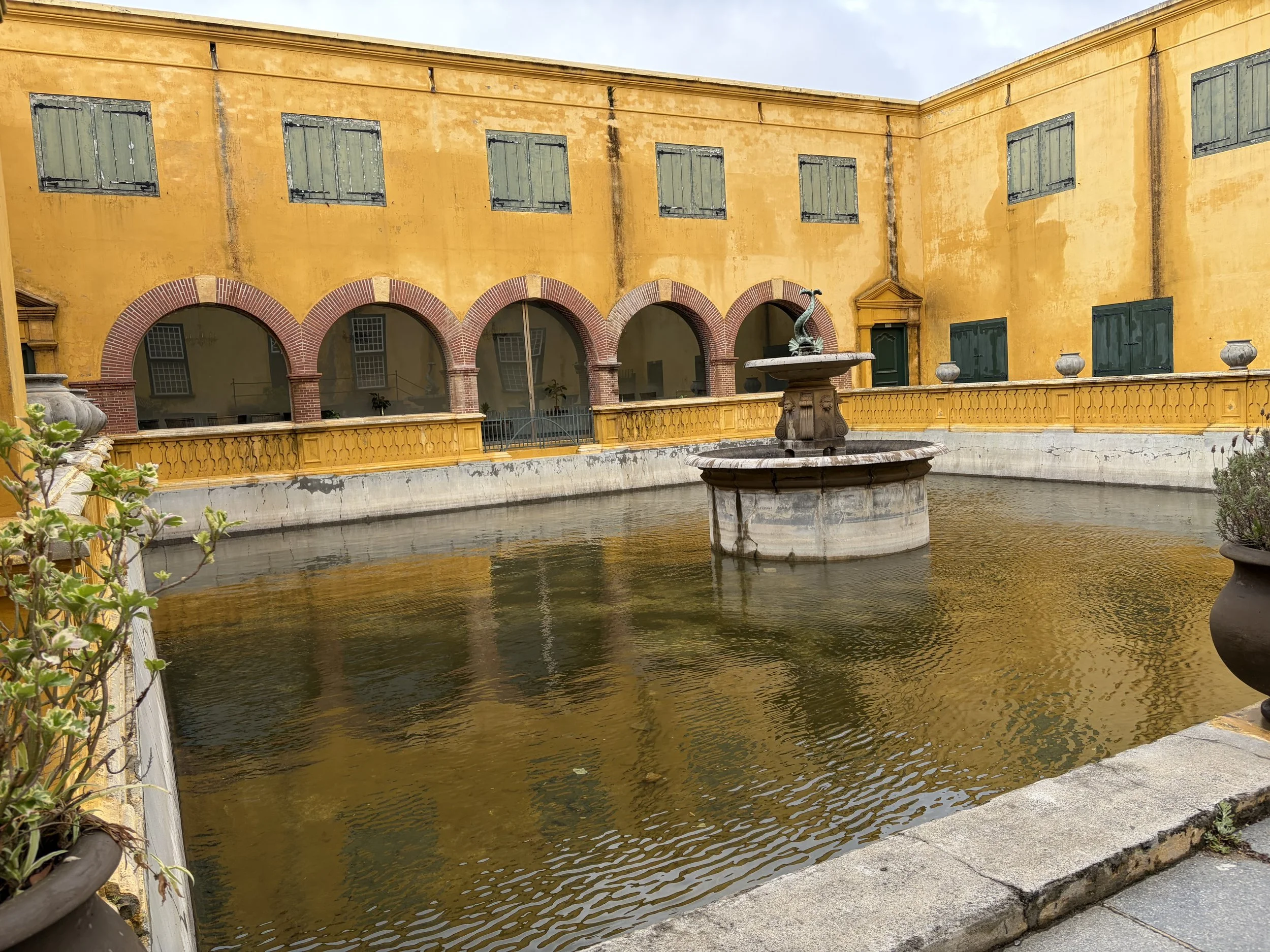
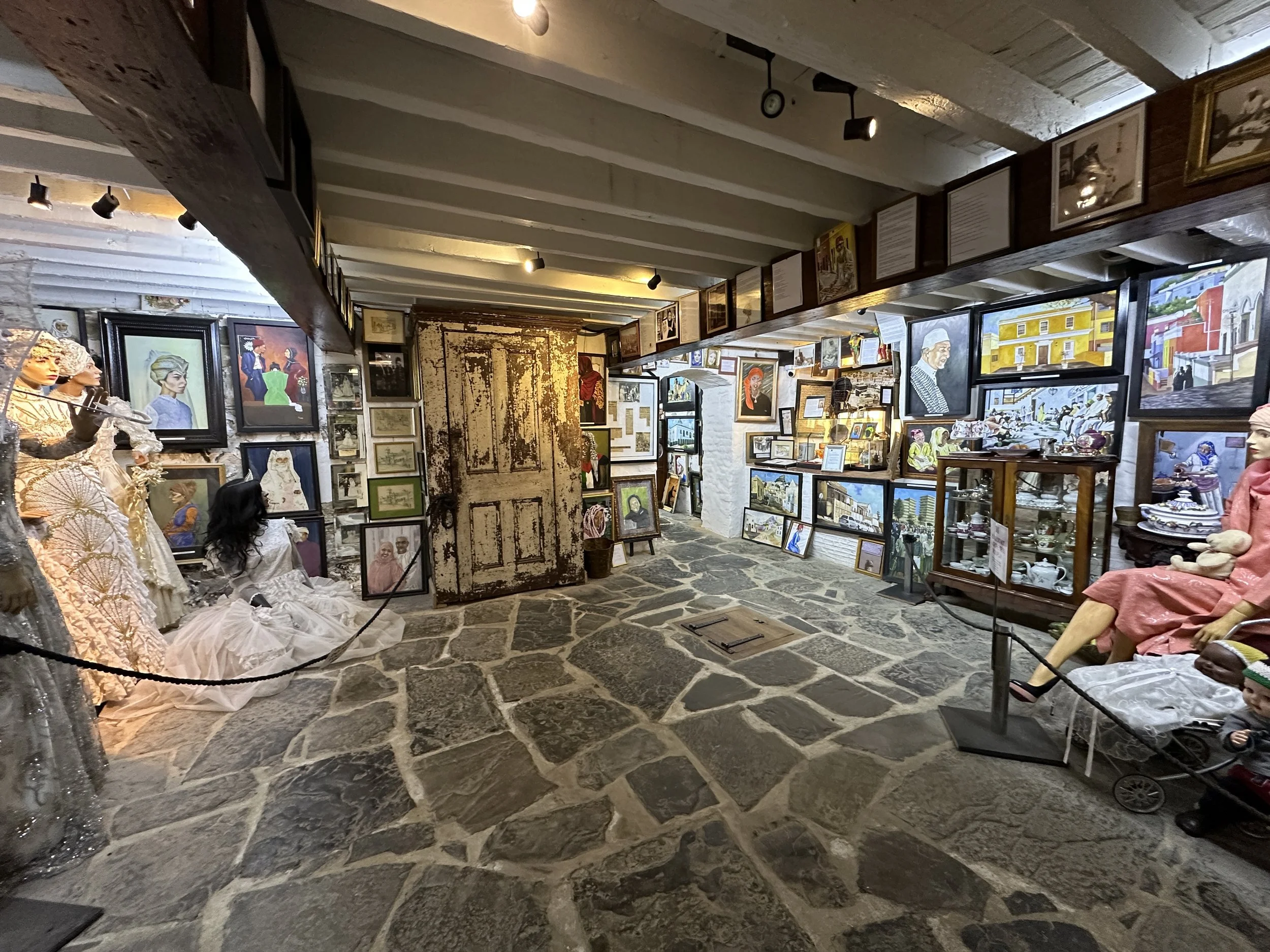
My absolute favorite thing there was an insane little museum that seemed to focus on muslim history, mostly because they crammed every inch of the wall, ceiling, and most of the floor space with stuff. Also, the ceilings were crazy short, so I had to duck everywhere.
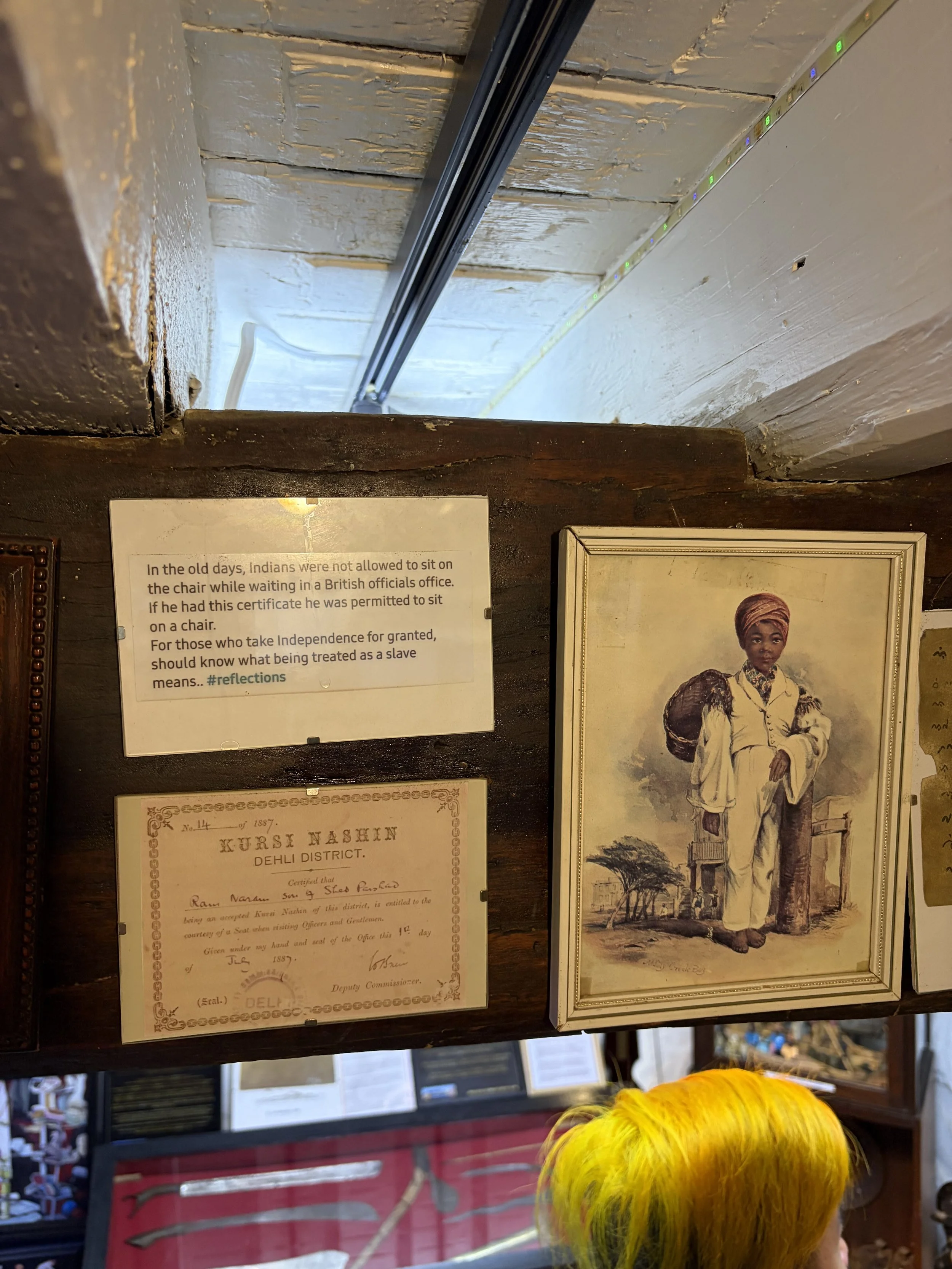
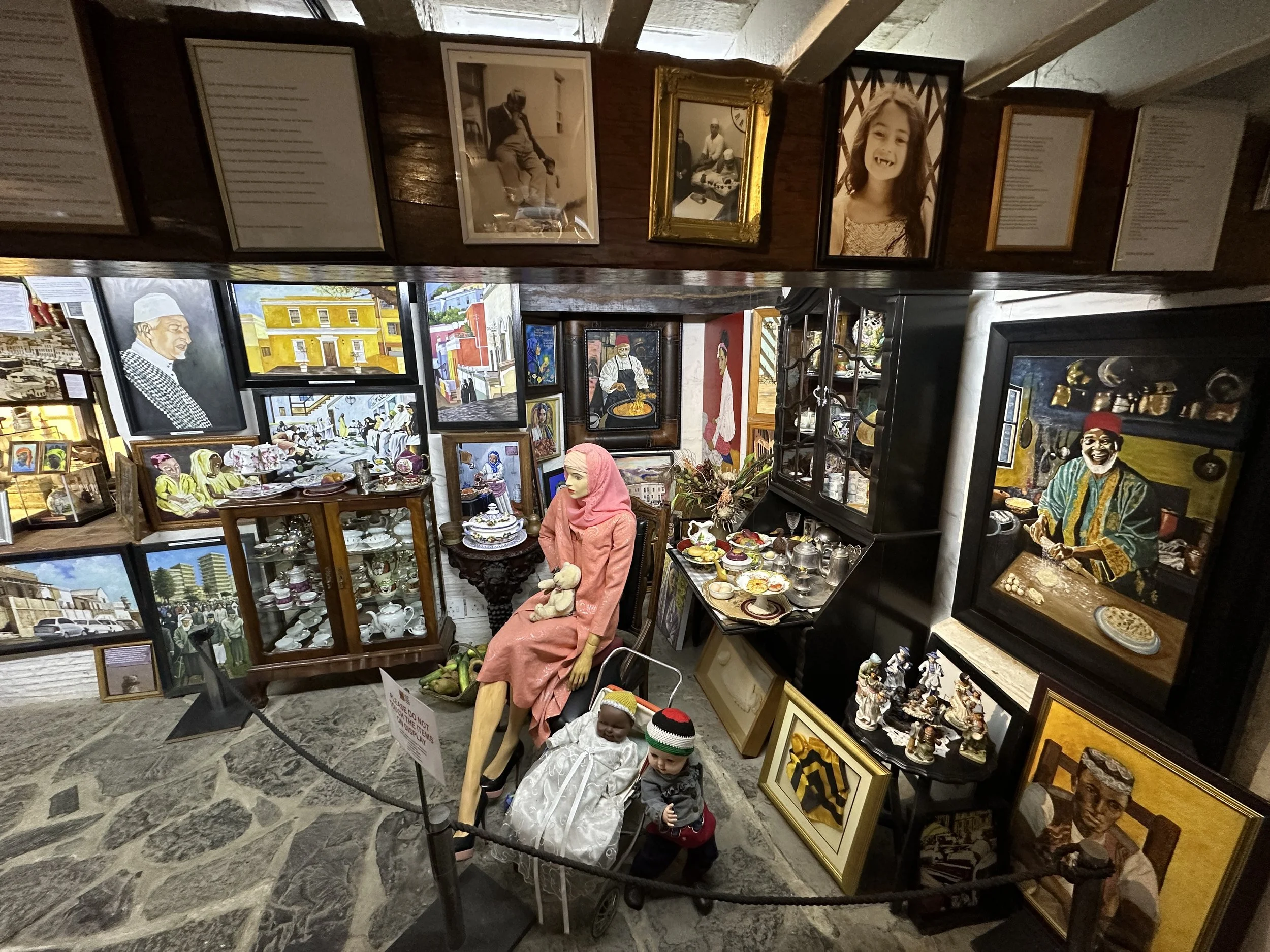
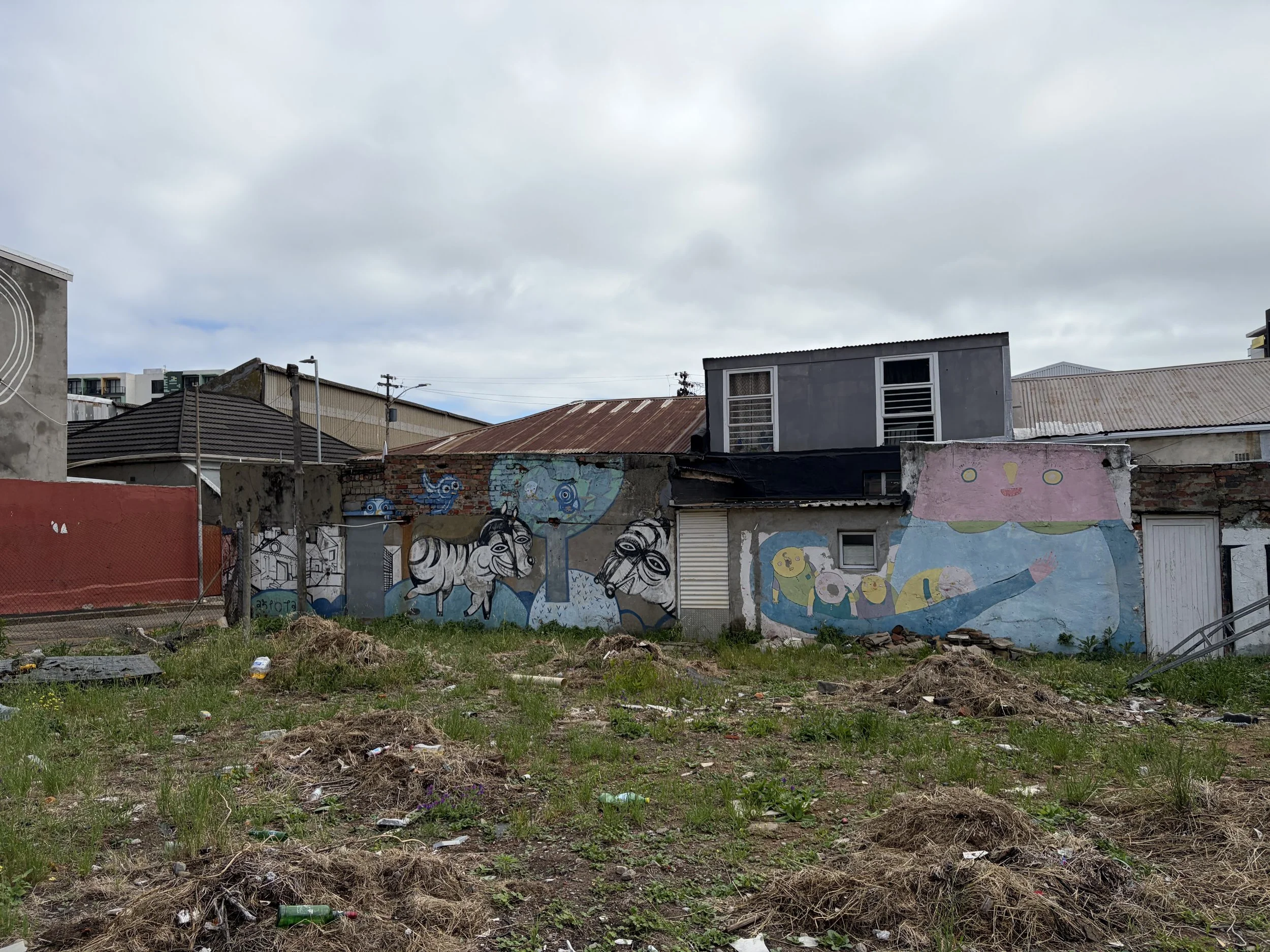
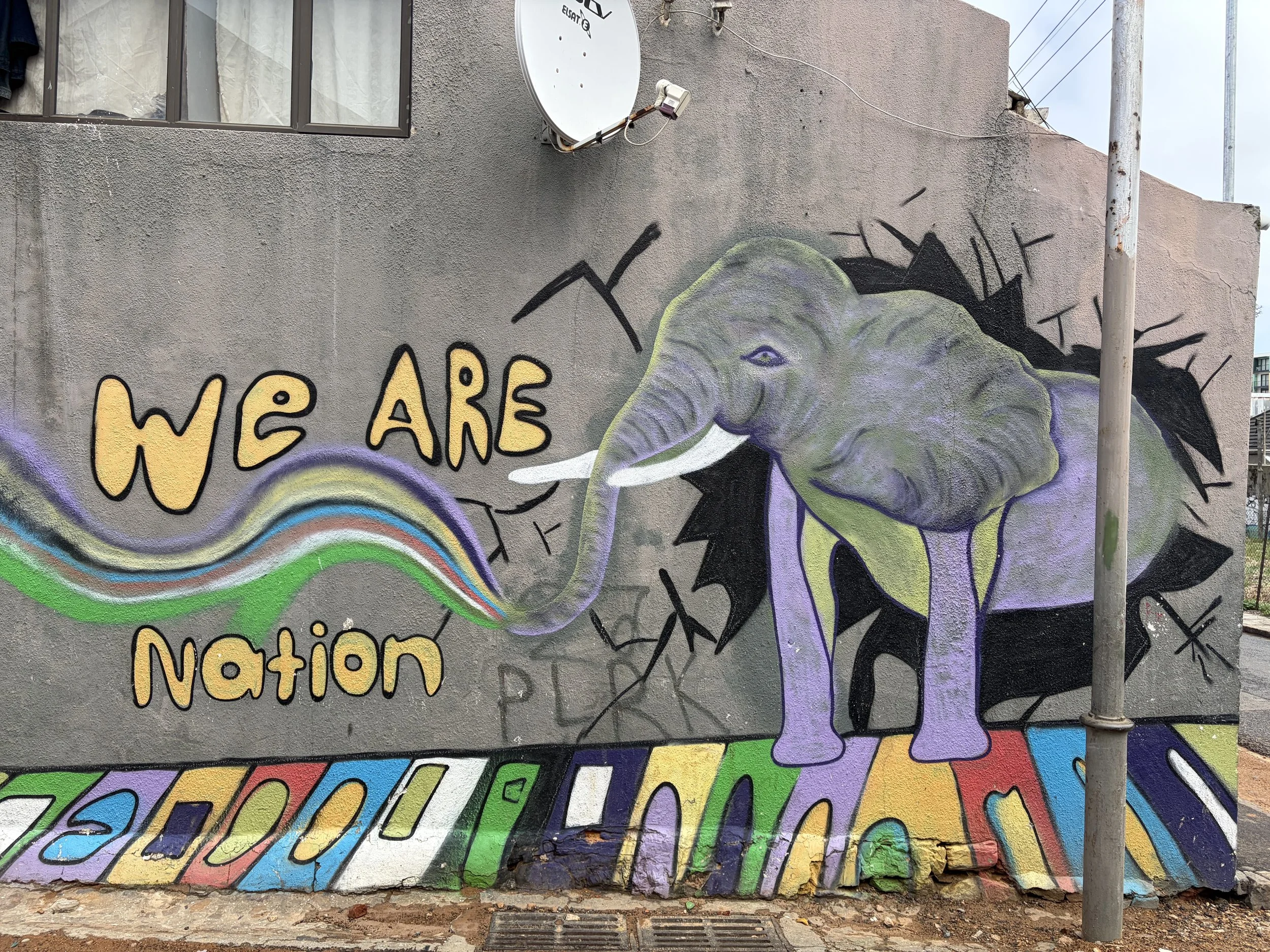
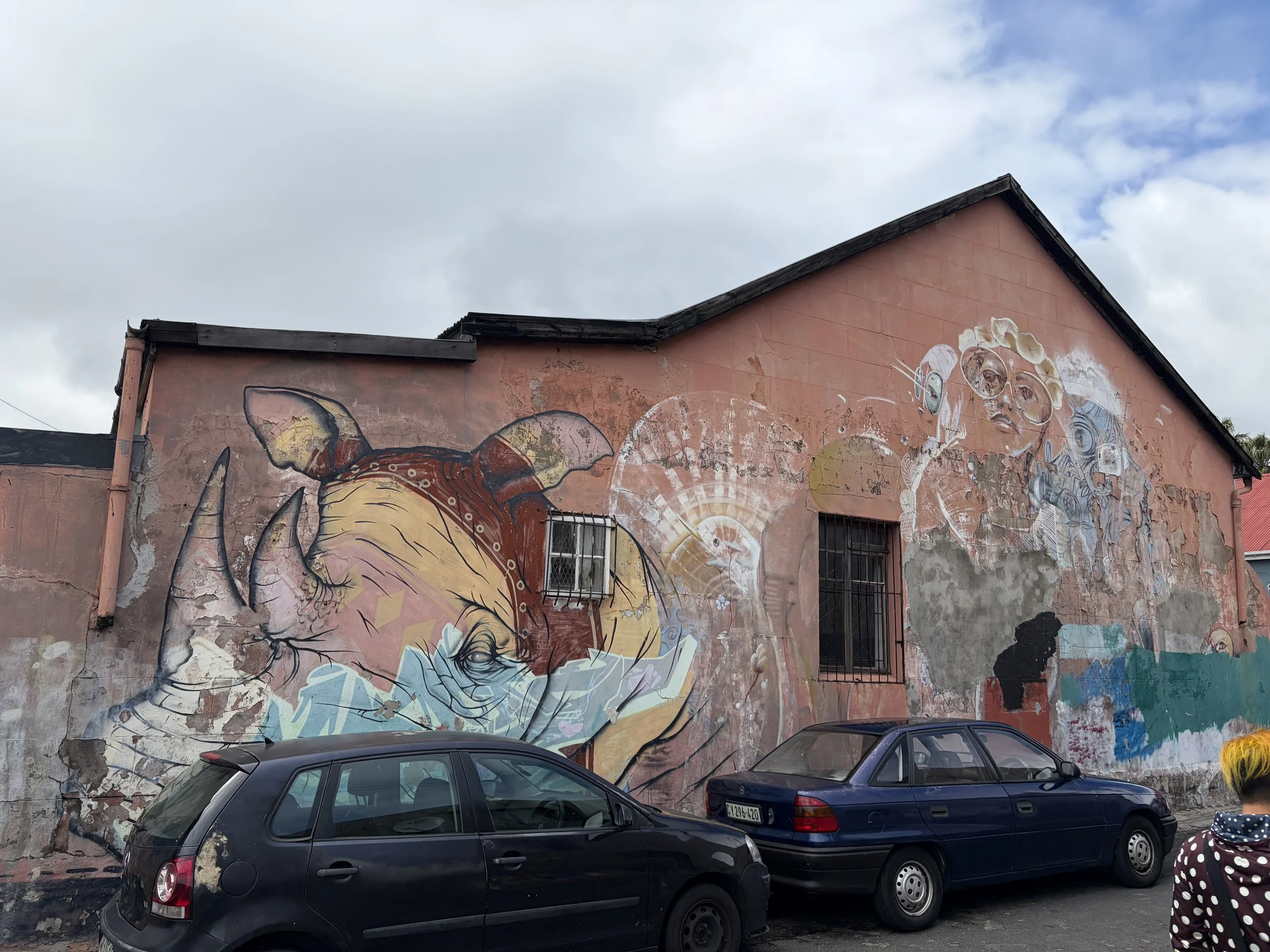
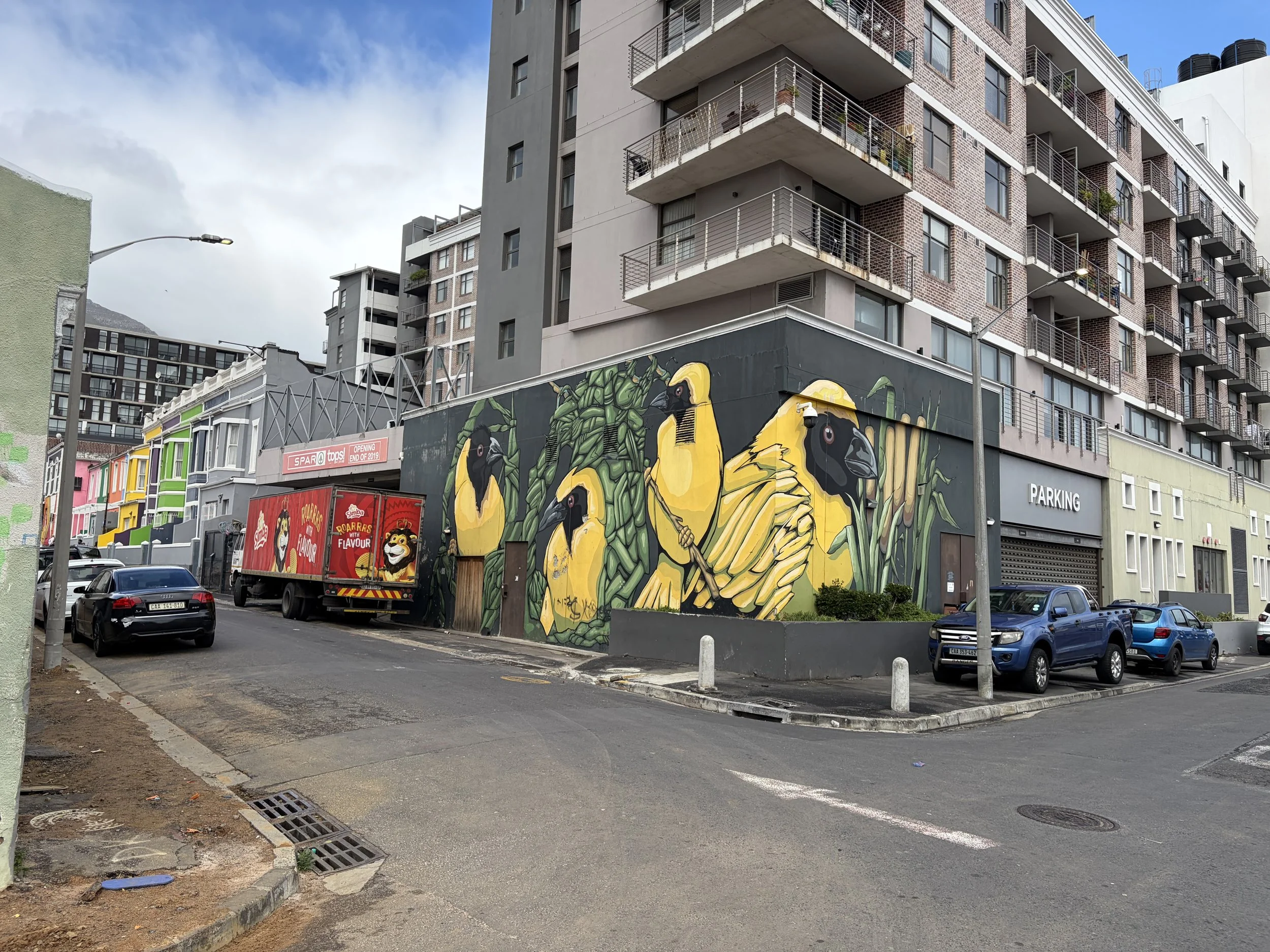
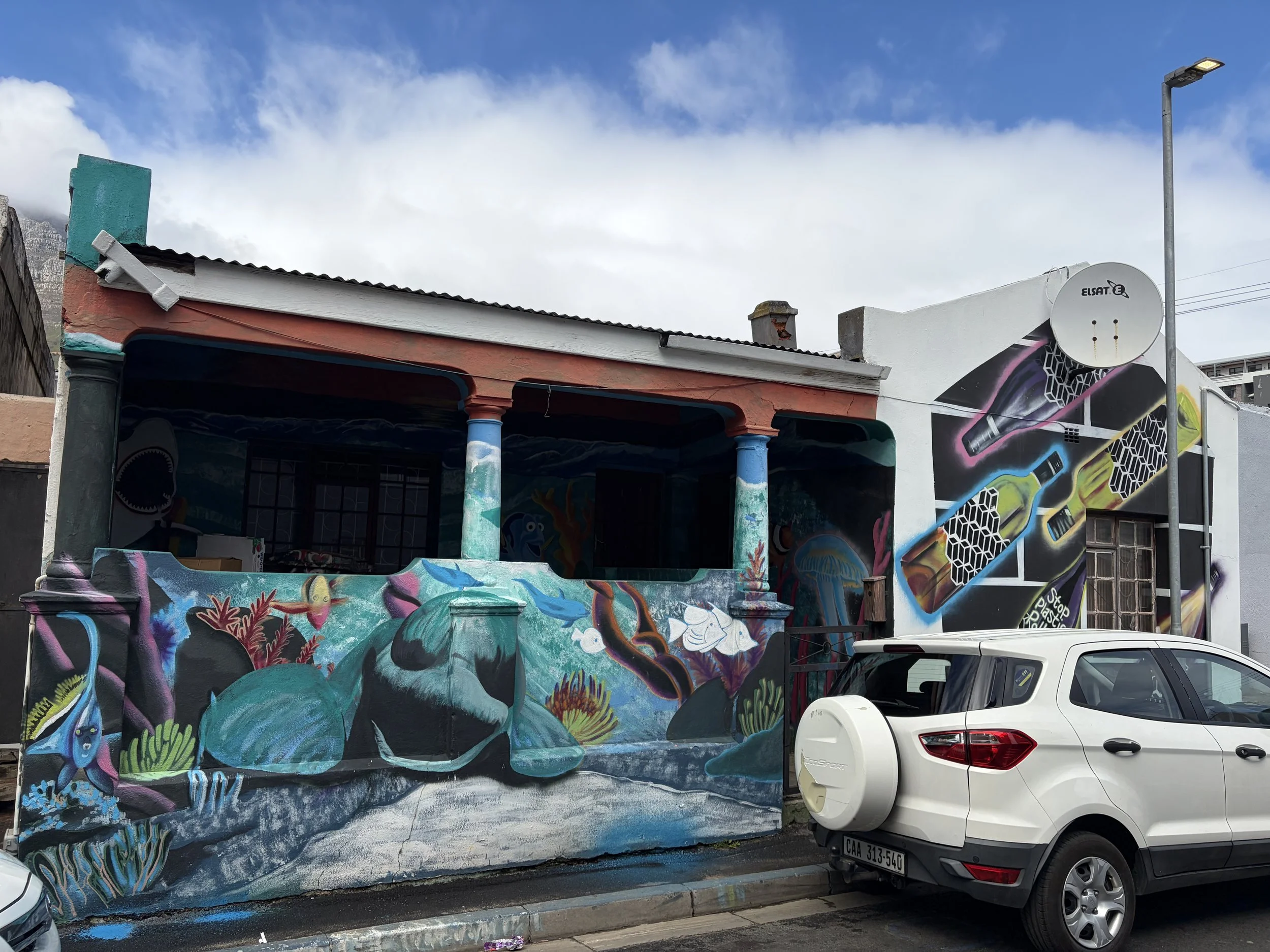
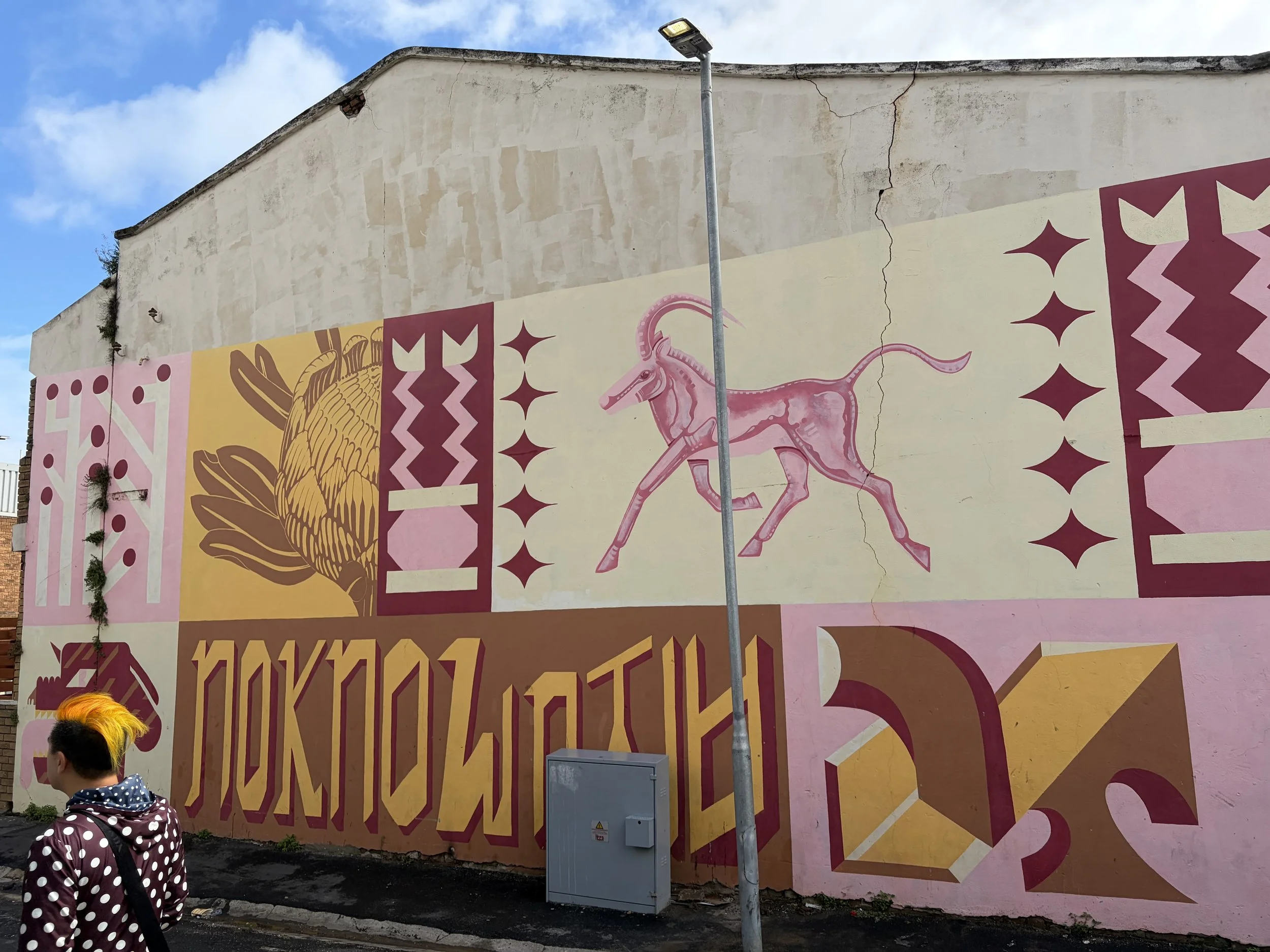
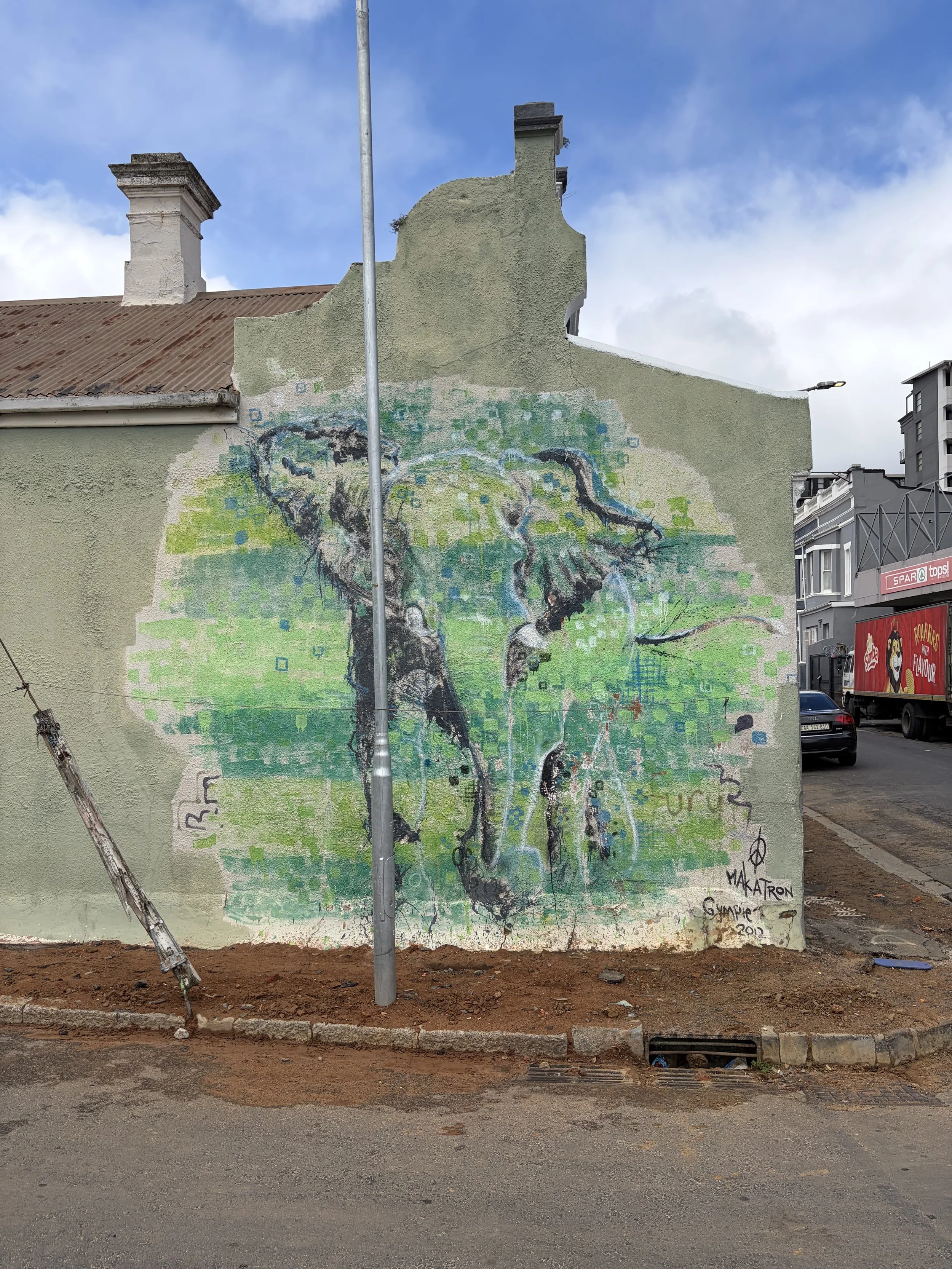
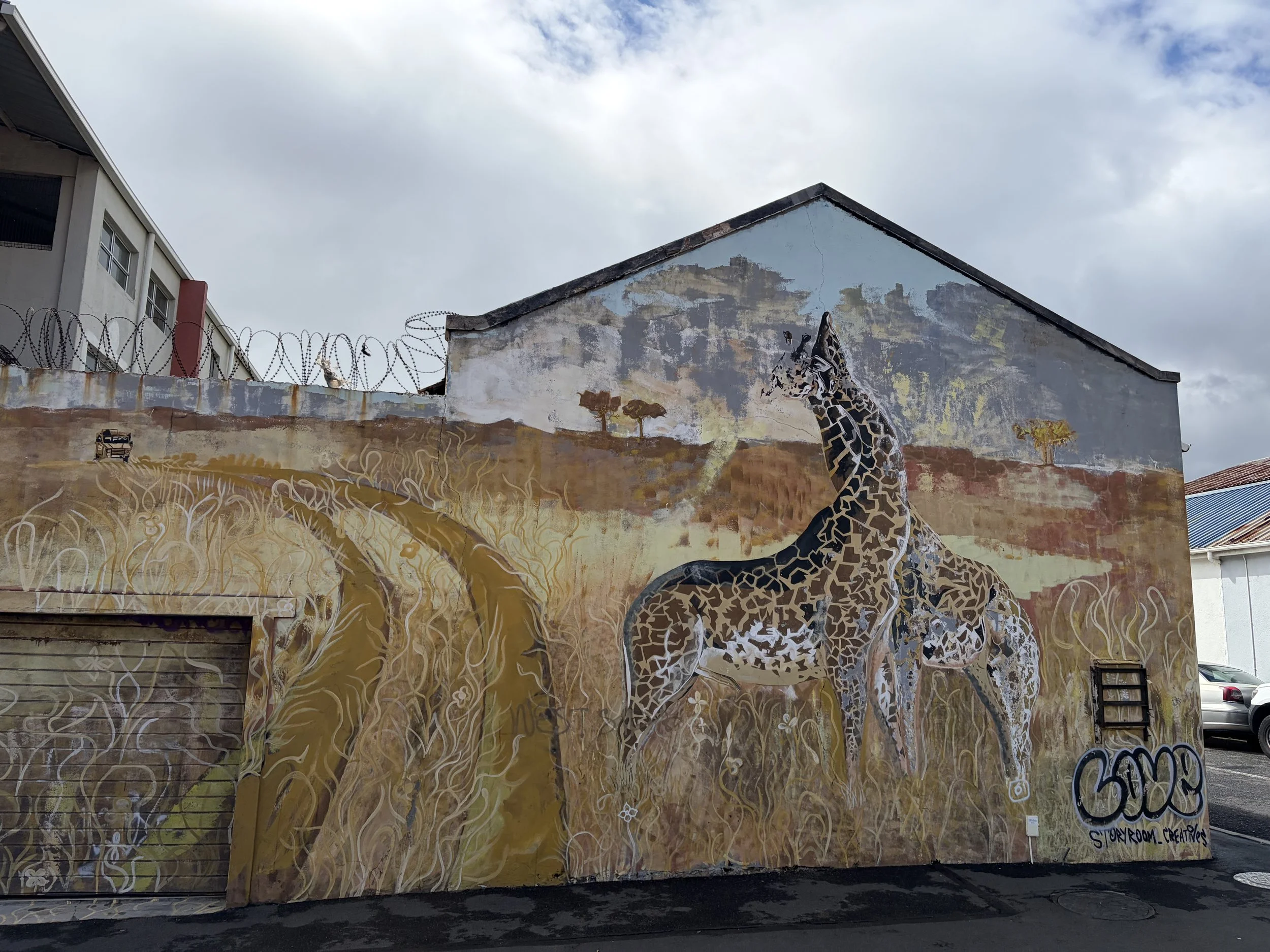
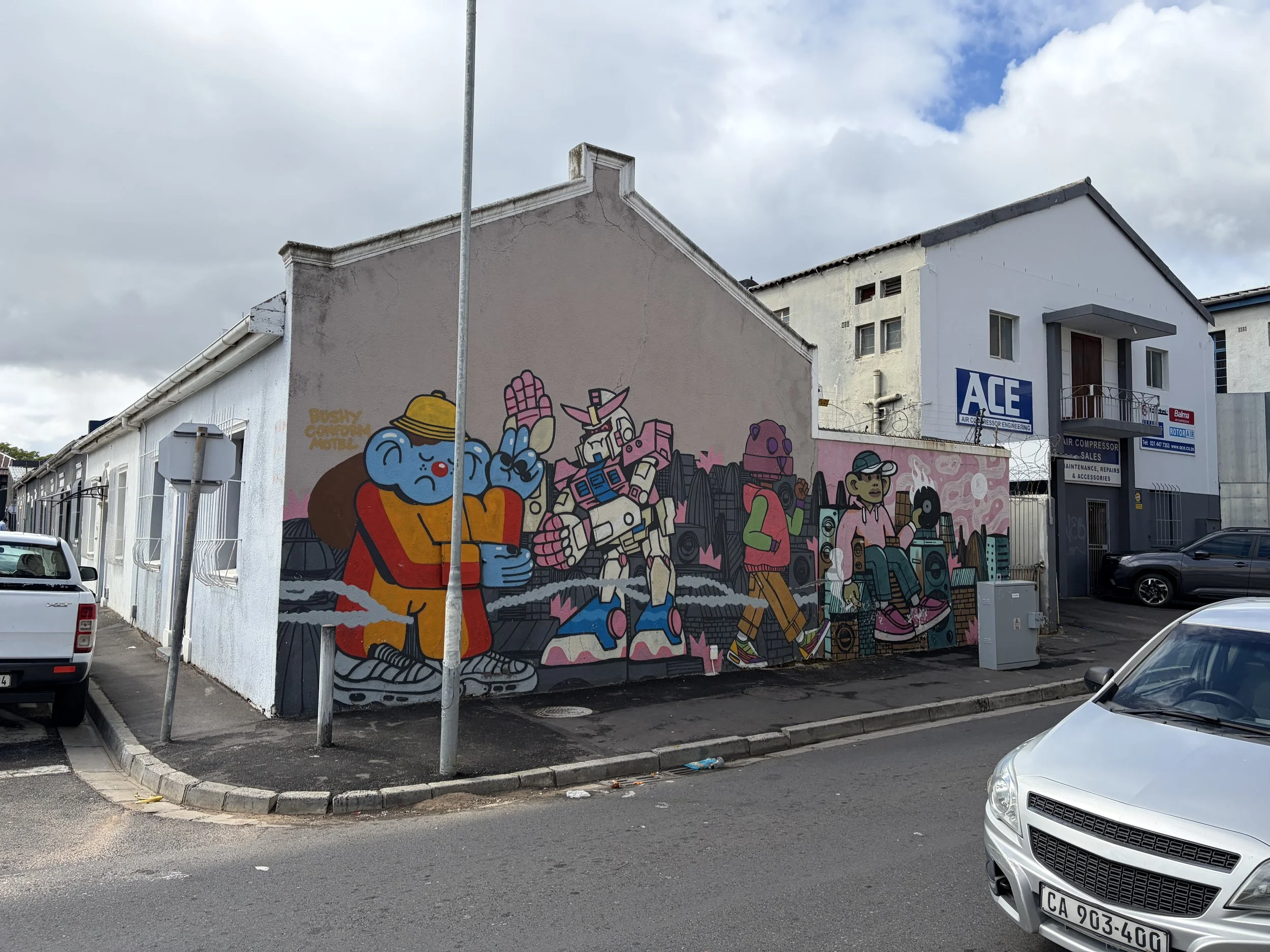
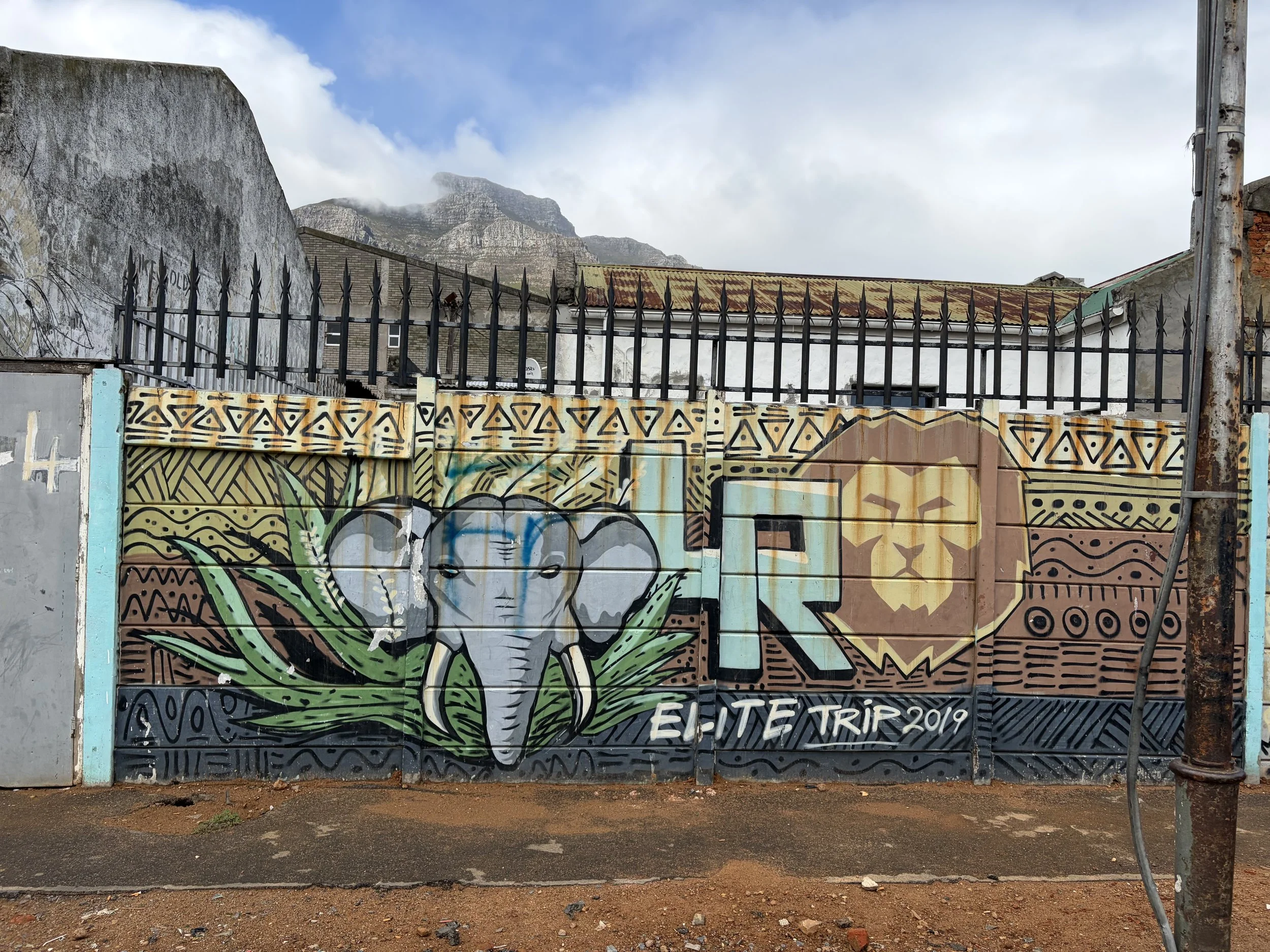
And finally, the last little thing I’ll call out is the street art around the Woodstock district. I’m not gonna lie, it’s spread out in a residential neighborhood that gets some aggressive homeless folks. (We had one guy follow us a block asking repeatedly for help buying bread.) But, we’re two adult men, so we generally don’t worry as much, and most people seemed fine with us being there taking photos of the murals.
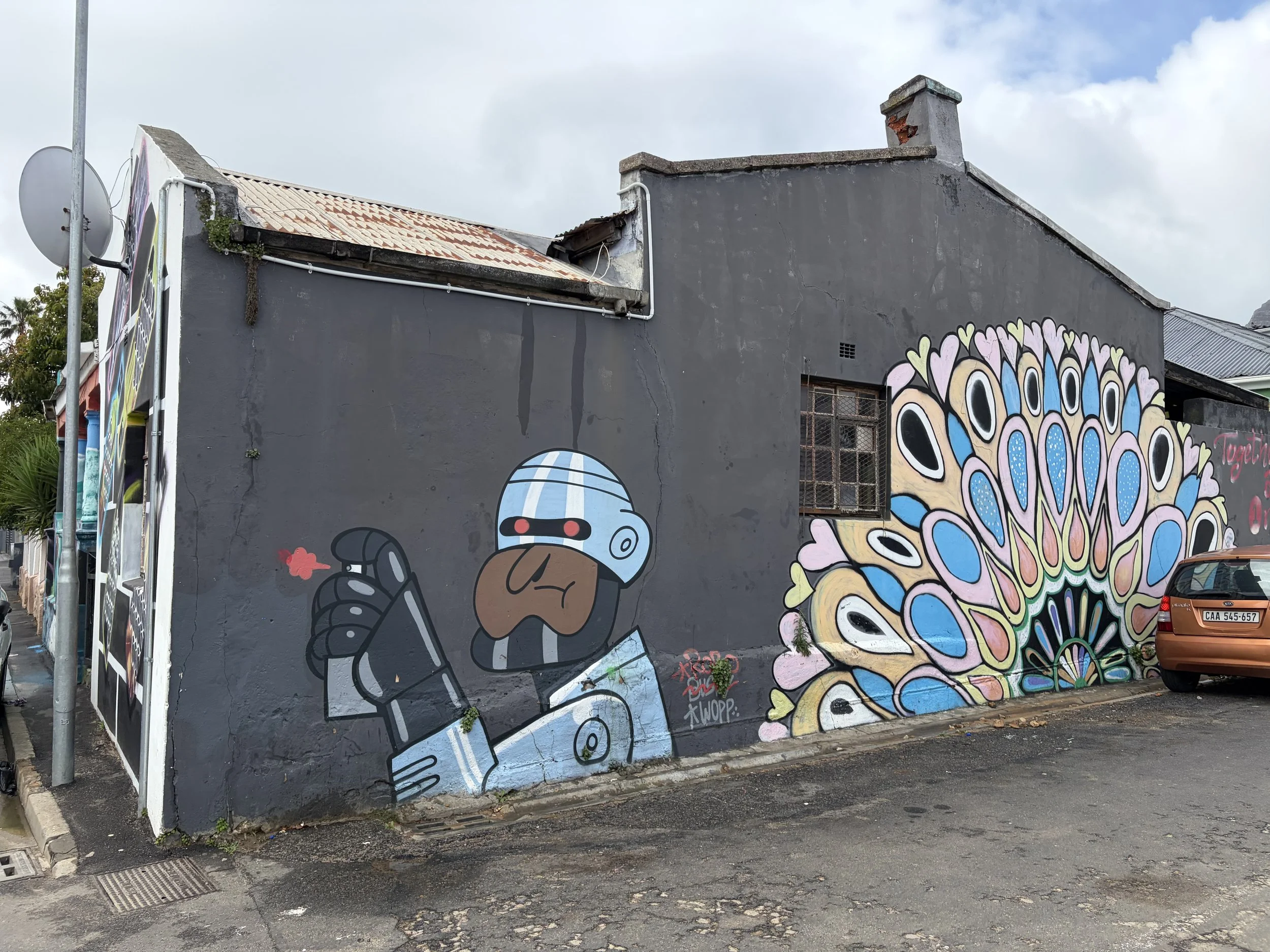
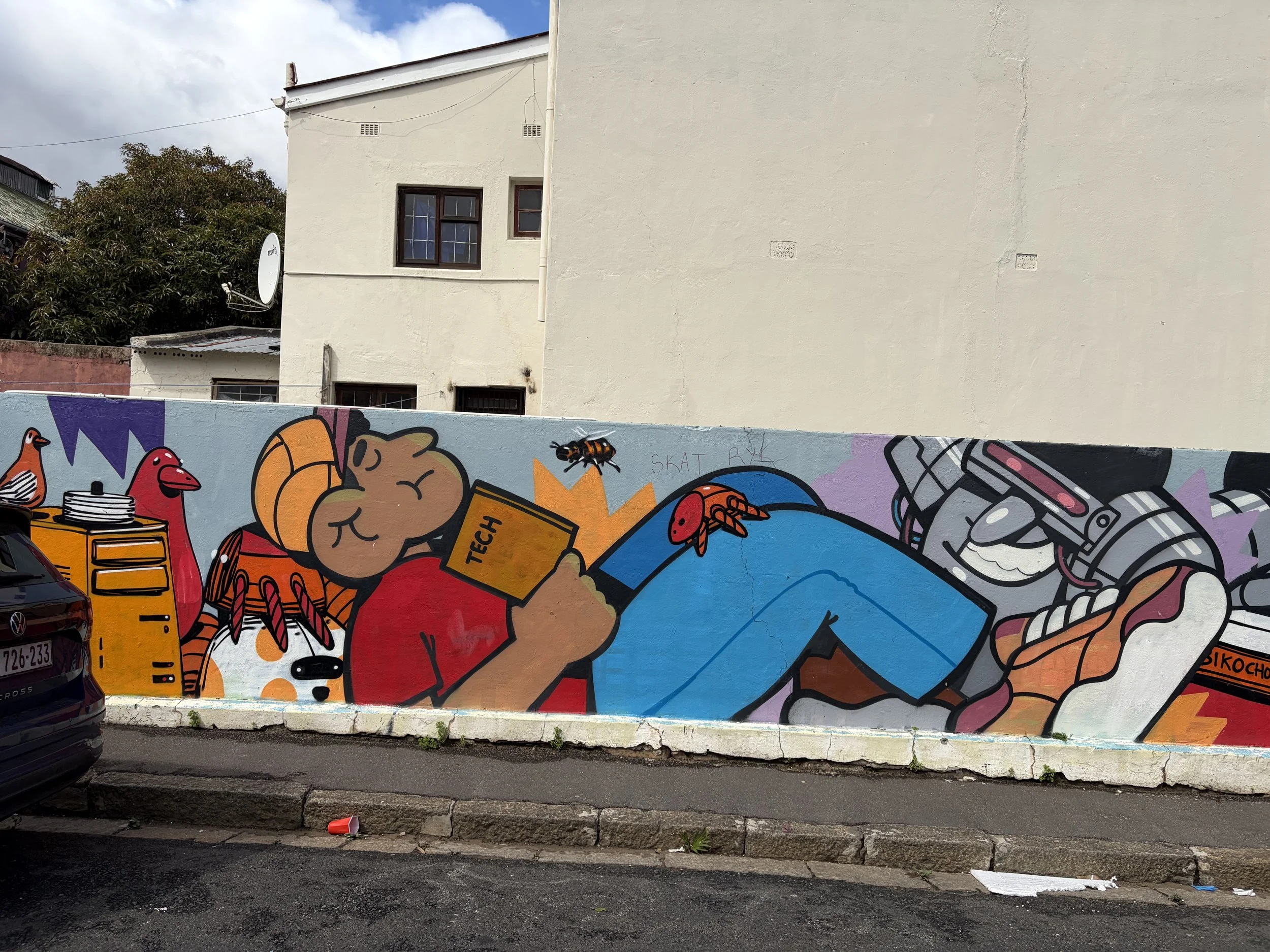
So yeah, Cape Town was a fun couple days. If we ever come back through the southern part of Africa, we’ll probably visit it as a stopover again!
